Lure Fishing Setup for Beginners That Won’t Break the Bank
- Category
- Fishing Gear
- Date
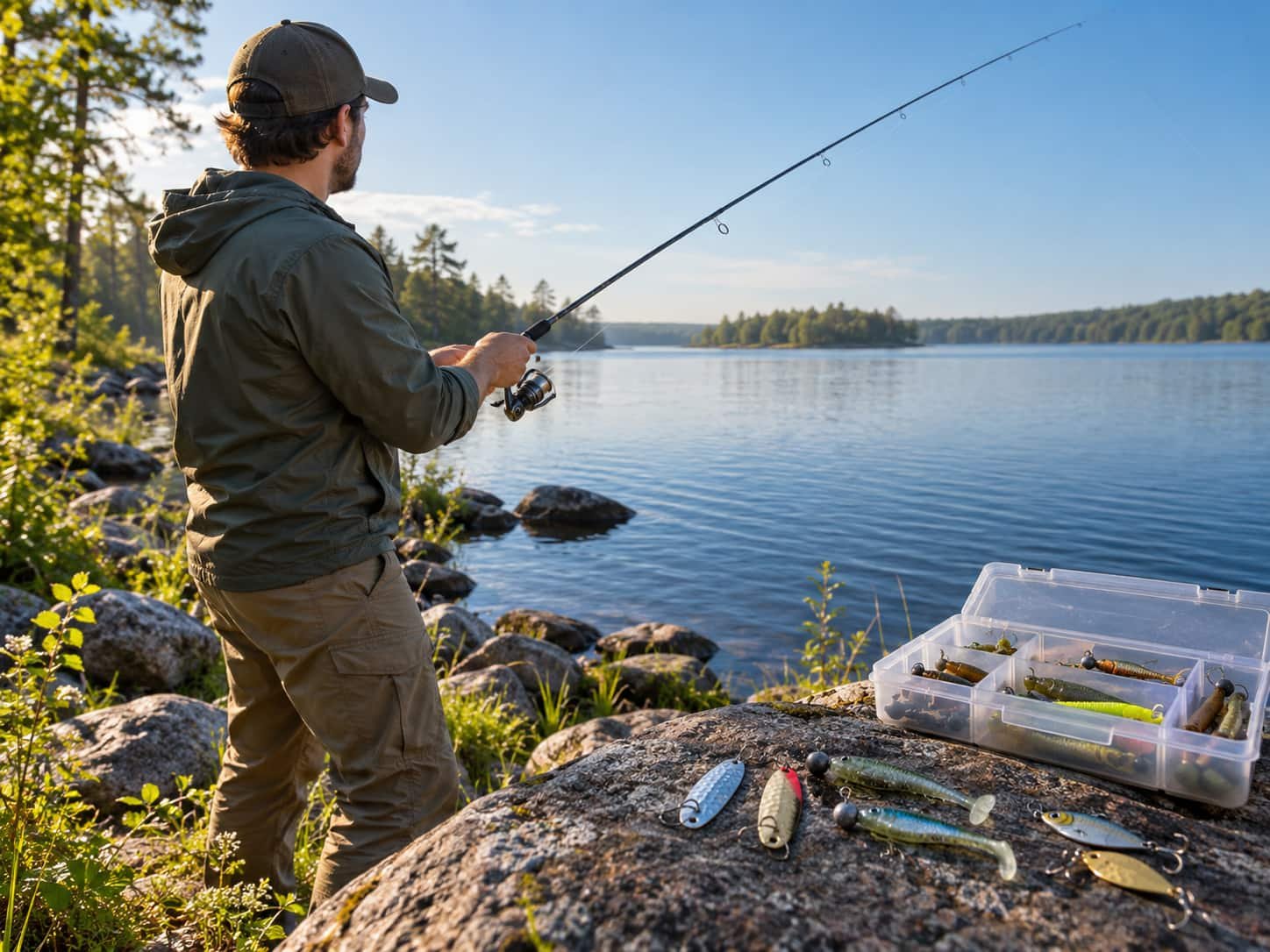
It’s easy to overspend on fishing gear before you know what you’ll actually use. A practical lure fishing setup for beginners should stay simple: a spinning rod and reel, the right line, and a small selection of versatile lures such as spoons and soft plastics.
Starting with less gear makes it easier to learn what each piece of tackle does, practice your casting and retrieves, and avoid filling your tackle box with things you may never use.
Use the guide below to build a simple first setup that covers the basics without buying more than you need.
| No. | Equipment Category | Specifications or Equipment | Guidance |
|---|---|---|---|
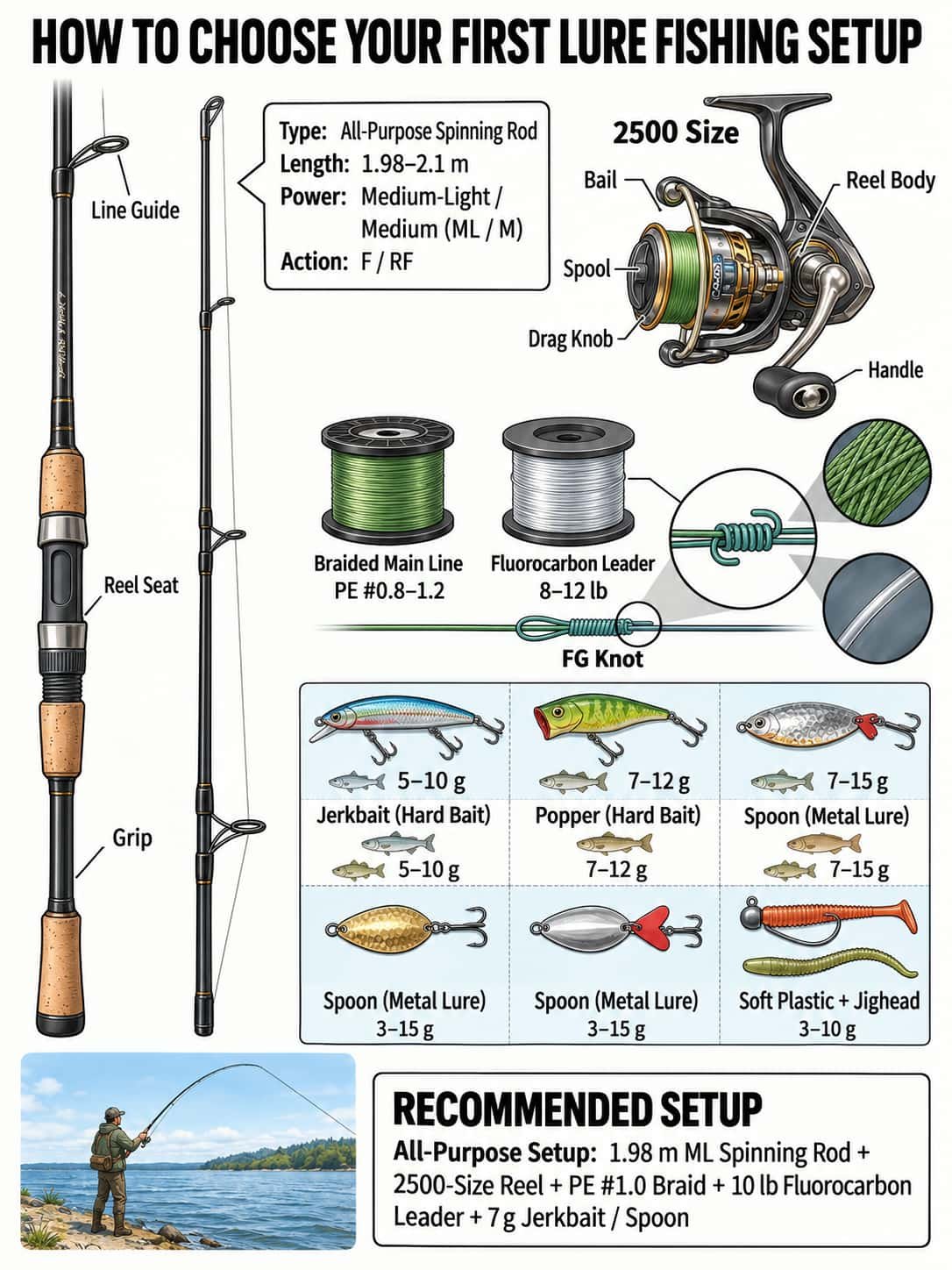
| First Lure Fishing Setup Overview | Rod | All-purpose spinning rod; 1.98–2.1 m long; ML/M power; F/RF action | Identifies the line guides, reel seat, and grip. |
| 1 | Reel | 2500-size spinning reel | Identifies the bail, spool, drag knob, reel body, and handle. |
| 2 | Line and Leader Connection | PE #0.8–1.2 braid; 8–12 lb fluorocarbon leader; FG knot | Combines a braided main line with a fluorocarbon leader. |
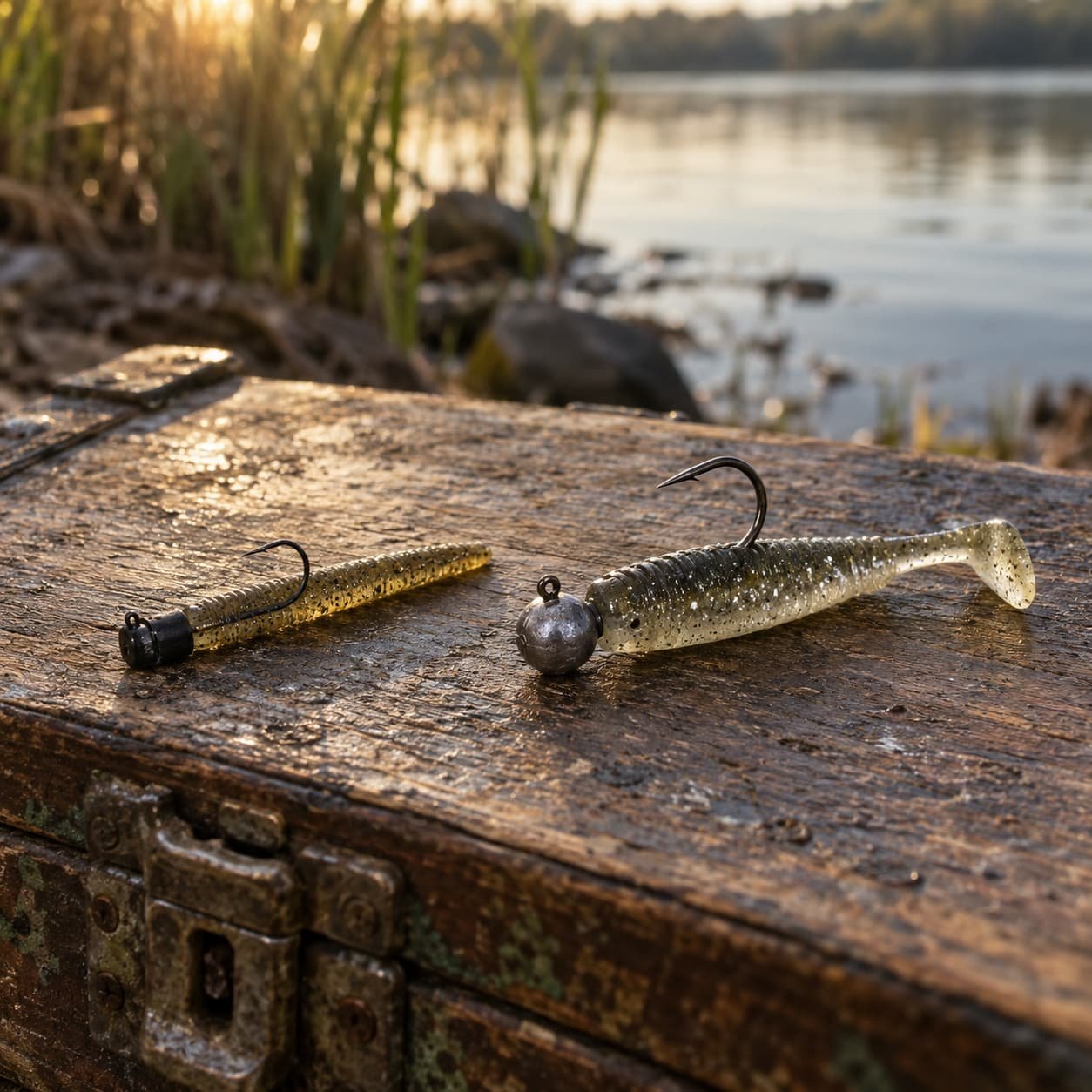
| 3 | Lures | Jerkbaits: 5–10 g; poppers: 7–12 g; spoons: 7–15 g and 3–15 g; soft plastics on jigheads: 3–10 g | Introduces the lure types and their corresponding weights. |
| 4 | Recommended Setup | 1.98 m ML spinning rod + 2500-size reel + PE #1.0 braid + 10 lb fluorocarbon leader + 7 g jerkbait or spoon | Suggests a versatile first setup for beginners. |
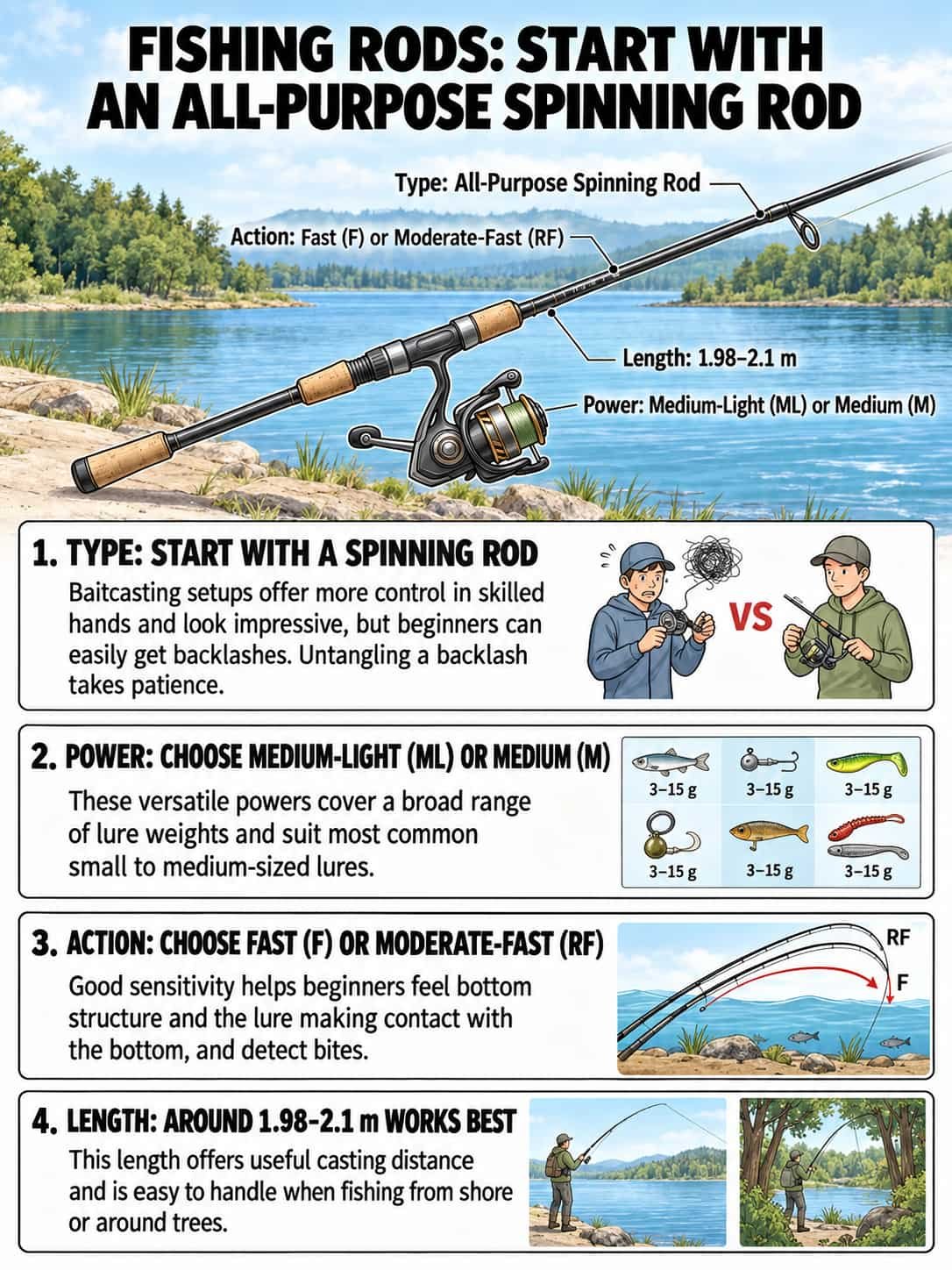
| Choosing a Rod | Rod Type | All-purpose spinning rod | Beginners should start with a spinning setup. Baitcasting setups require more casting control, and untangling backlashes can take patience. |
| 1 | Rod Power | Medium-light (ML) or medium (M) | Versatile power ratings suited to many common small to medium-sized lures across a range of lure weights. |
| 2 | Rod Action | Fast (F) or moderate-fast (RF) | Helps beginners feel bottom structure, detect the lure making contact with the bottom, and detect bites. |
| 3 | Rod Length | Approximately 1.98–2.1 m | Offers useful casting distance while remaining manageable when fishing from shore or around trees. |
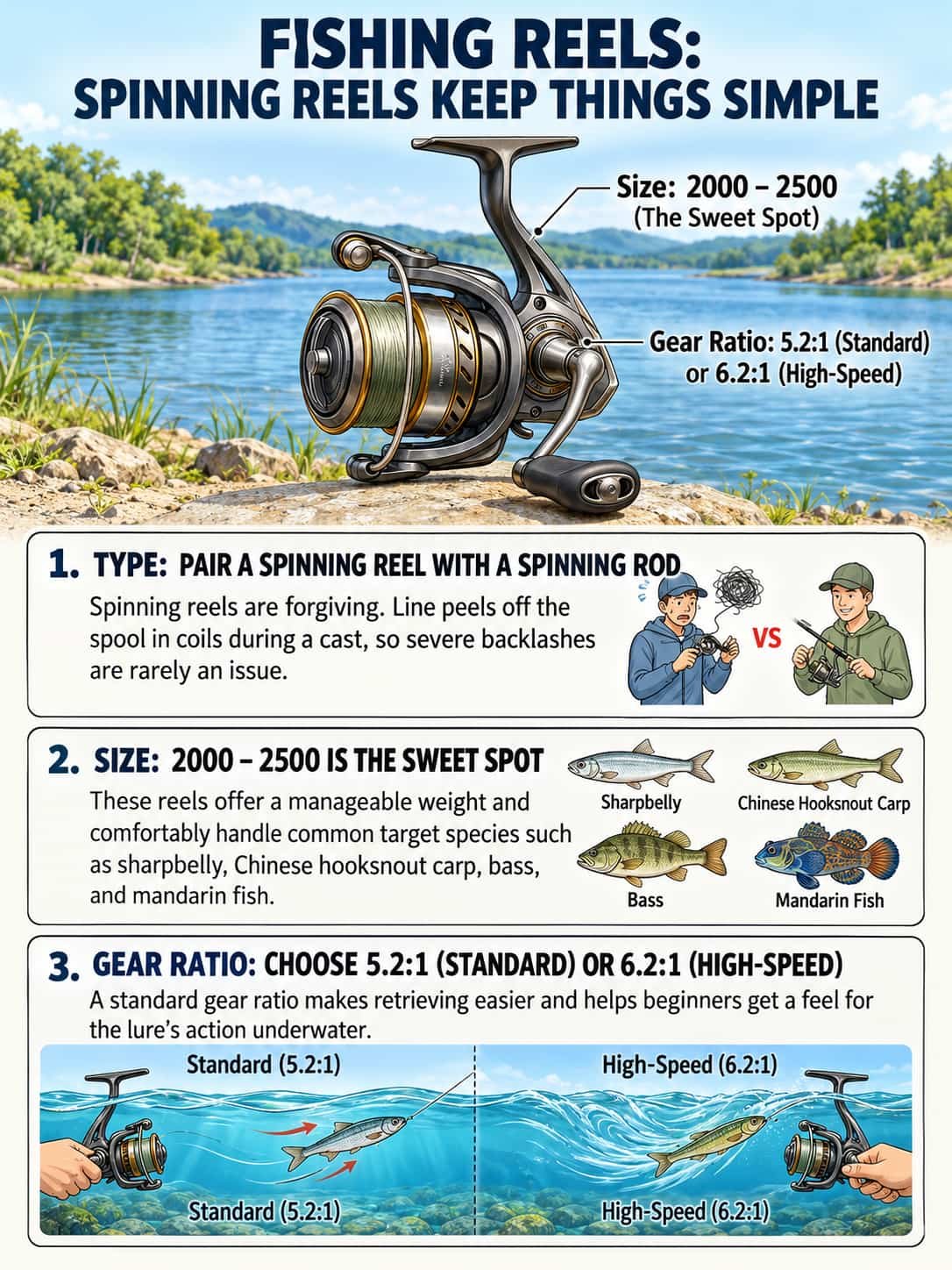
| Choosing a Reel | Reel Type | Spinning reel paired with a spinning rod | Forgiving to use. Line peels off the spool in coils during a cast, so severe backlashes are rarely an issue. |
| 1 | Reel Size | 2000–2500 | Offers a manageable weight. The target species shown are sharpbelly, Chinese hooksnout carp, bass, and mandarin fish. |
| 2 | Gear Ratio | 5.2:1 — standard; 6.2:1 — high-speed | Either ratio can be used. A standard ratio makes retrieving easier and helps beginners get a feel for the lure’s action underwater. |
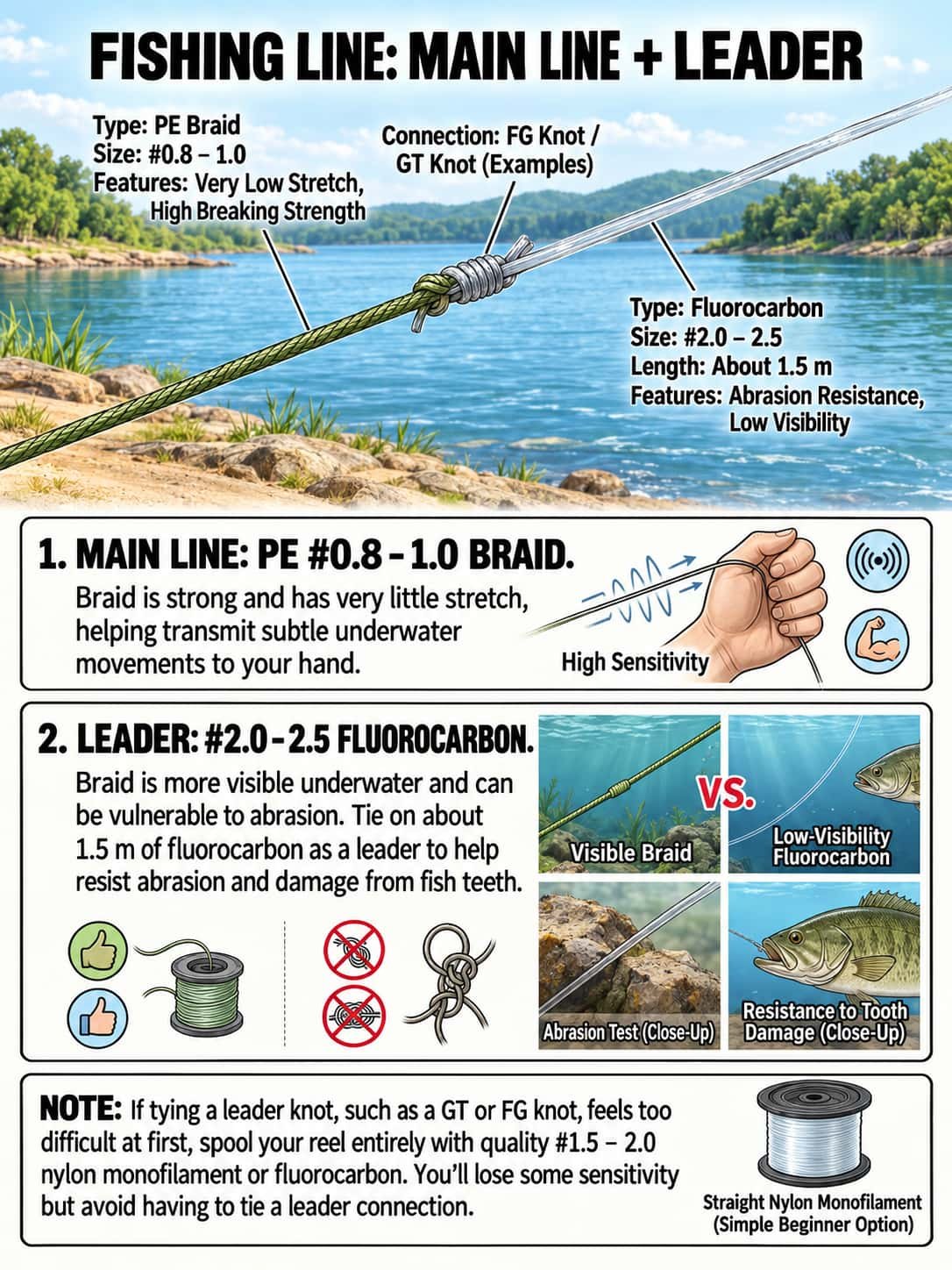
| Choosing Main Line and Leader | Main Line | PE #0.8–1.0 braid | High breaking strength and very little stretch help transmit subtle underwater movements to the angler’s hand. |
| 1 | Leader | #2.0–2.5 fluorocarbon, approximately 1.5 m long | Less visible underwater than braid and resistant to abrasion. The illustrations show the leader contacting rocks and fish teeth. |
| 2 | Leader Connection Knot | FG knot / GT knot | Illustrates a connection between the braided main line and fluorocarbon leader. |
| 3 | Simple Beginner Alternative | Spool entirely with #1.5–2.0 nylon monofilament or fluorocarbon | If leader knots are too difficult at first, use monofilament or fluorocarbon as the main line. Sensitivity is lower, but no leader connection knot is needed. |
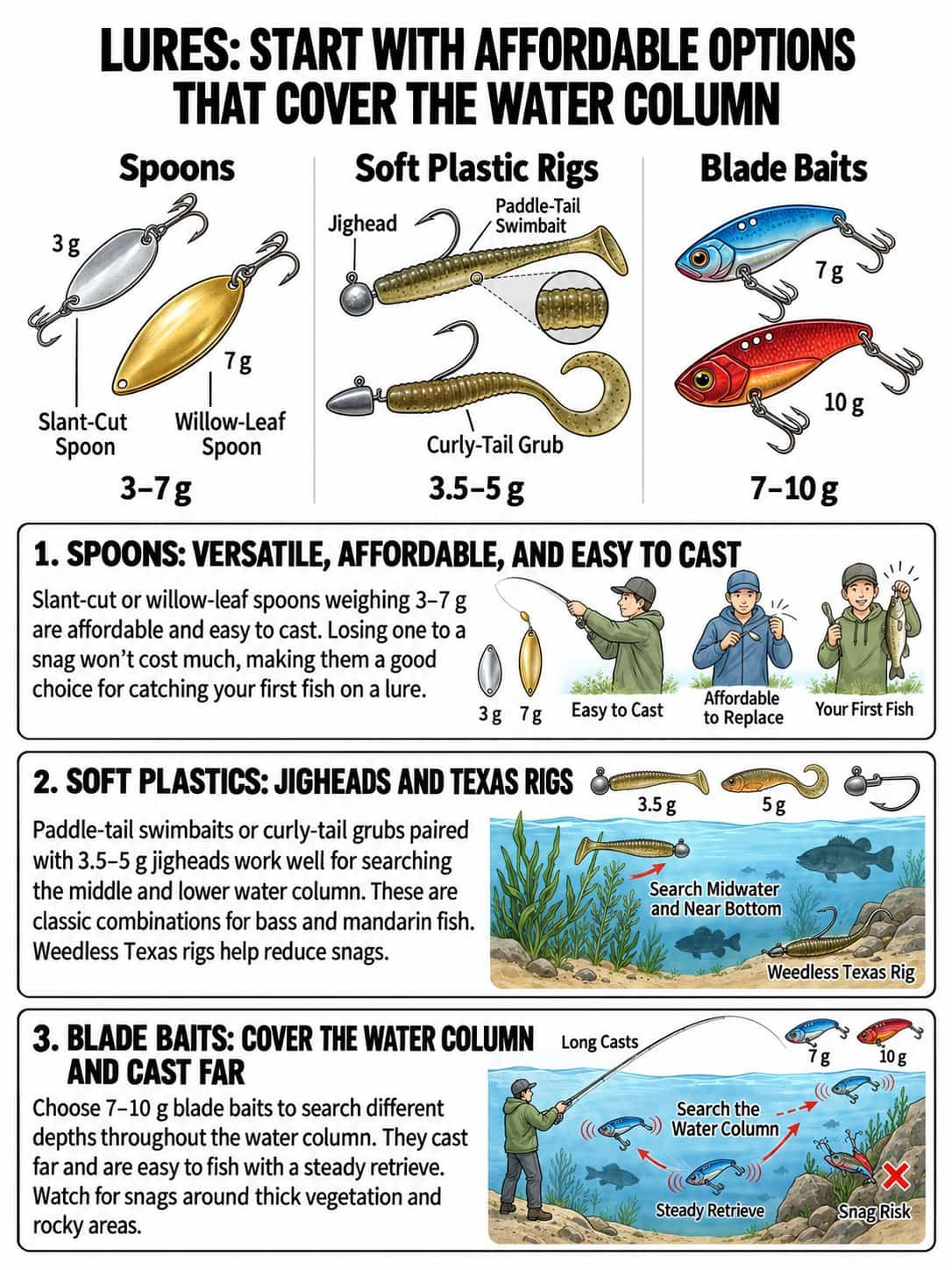
| Choosing Lures | Spoons | Slant-cut spoons or willow-leaf spoons: 3–7 g | Versatile, affordable, and easy to cast. Inexpensive to replace when lost to a snag and suitable for catching a first fish on a lure. |
| 1 | Soft Plastics on Jigheads or Texas Rigs | Paddle-tail swimbaits or curly-tail grubs; jigheads: 3.5–5 g | Used to search the middle and lower water column. The image mentions bass and mandarin fish. Weedless Texas rigs help reduce snags. |
| 2 | Blade Baits | 7–10 g | Cast far and search different depths throughout the water column. Easy to fish with a steady retrieve; watch for snags around thick vegetation and rocks. |
More to Explore
Related Articles
More guides in Fishing Gear
Take a closer look at 6 saltwater fishing rigs, from shore setups to boat rigs, with diagrams that show how the lines, hooks, and sinkers connect.
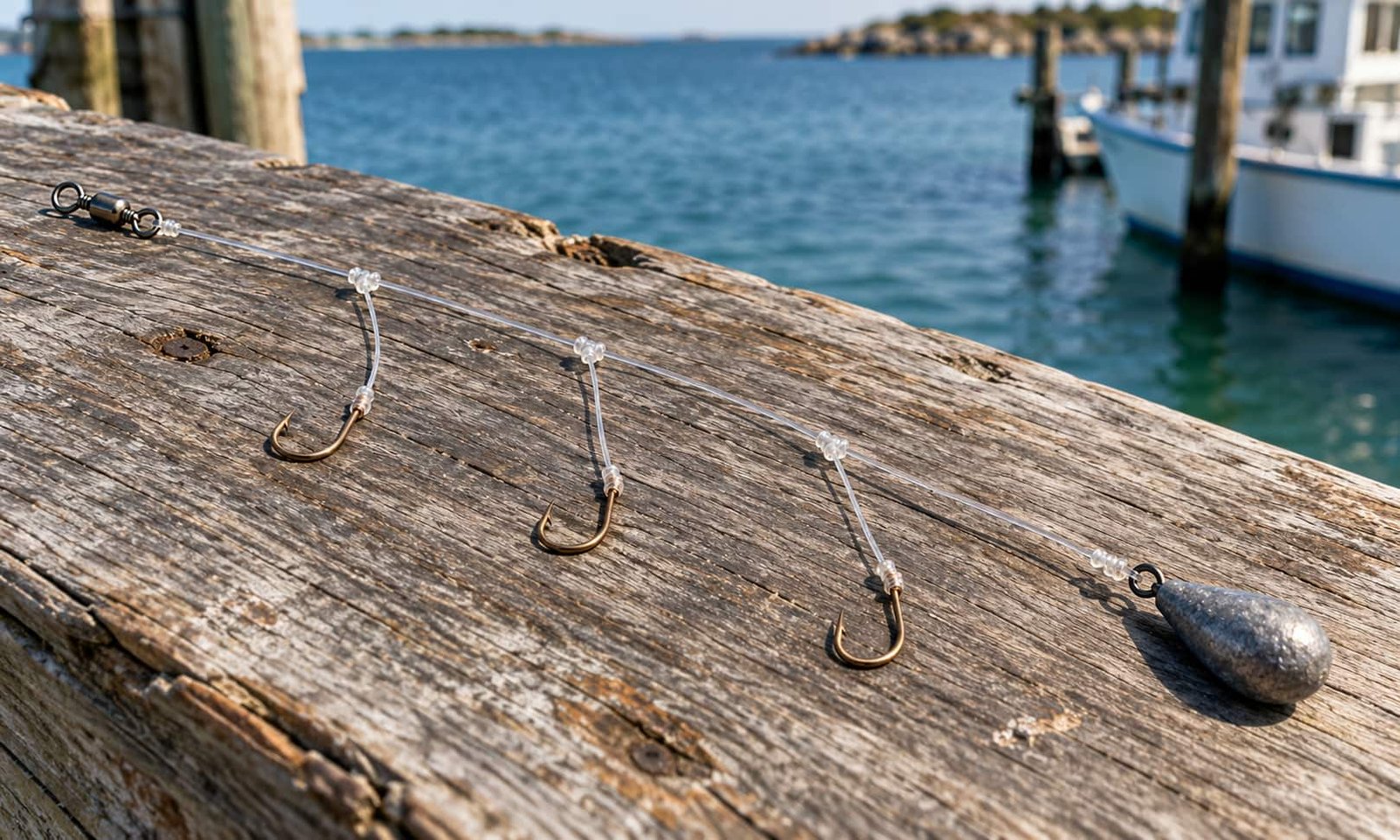
Learn how to choose a saltwater fishing reel for shore or boat fishing by comparing reel type, drag performance, and line capacity before you buy.
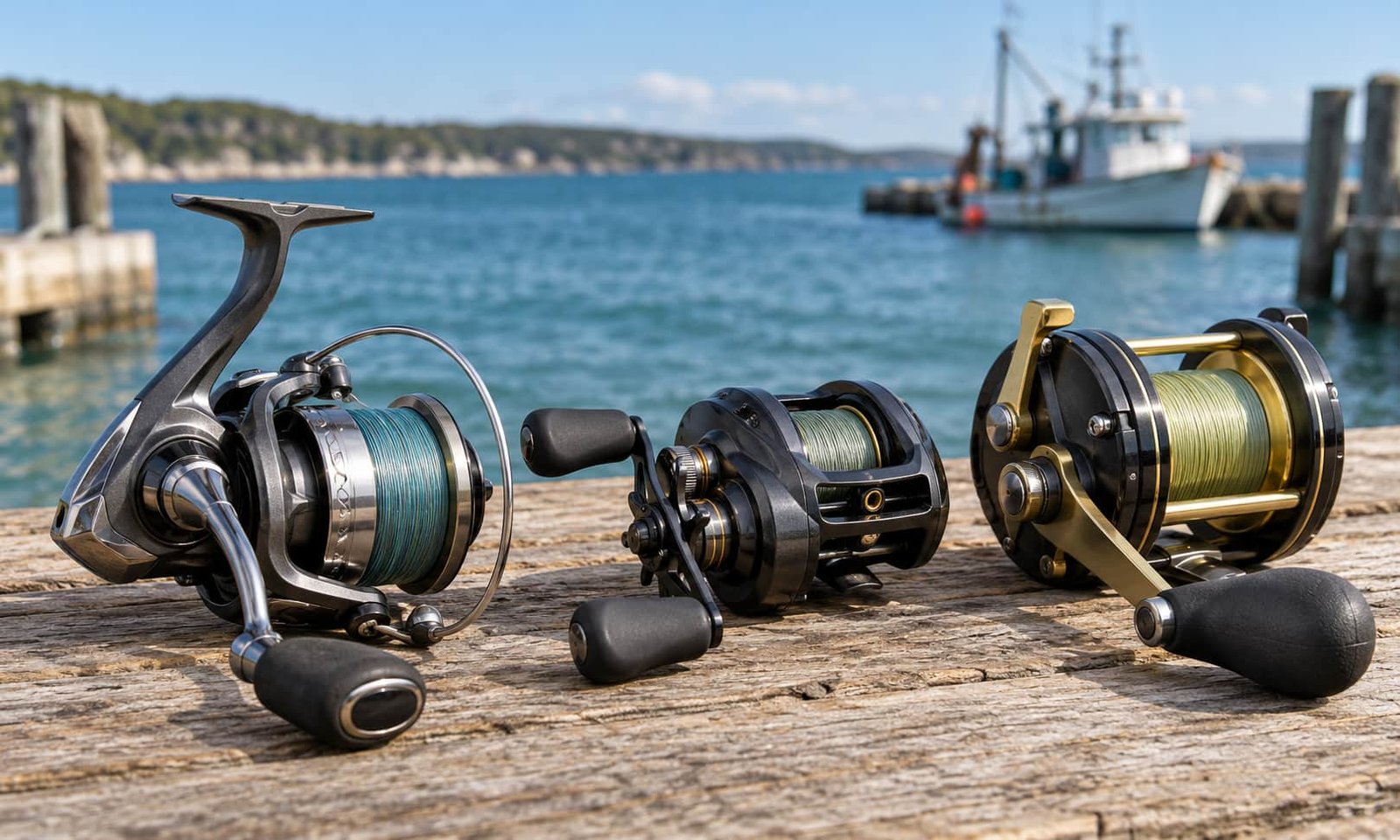
Build a bass fishing setup for beginners with a rod, braided line, and a leader that work together. Learn knots and casting before your first trip.
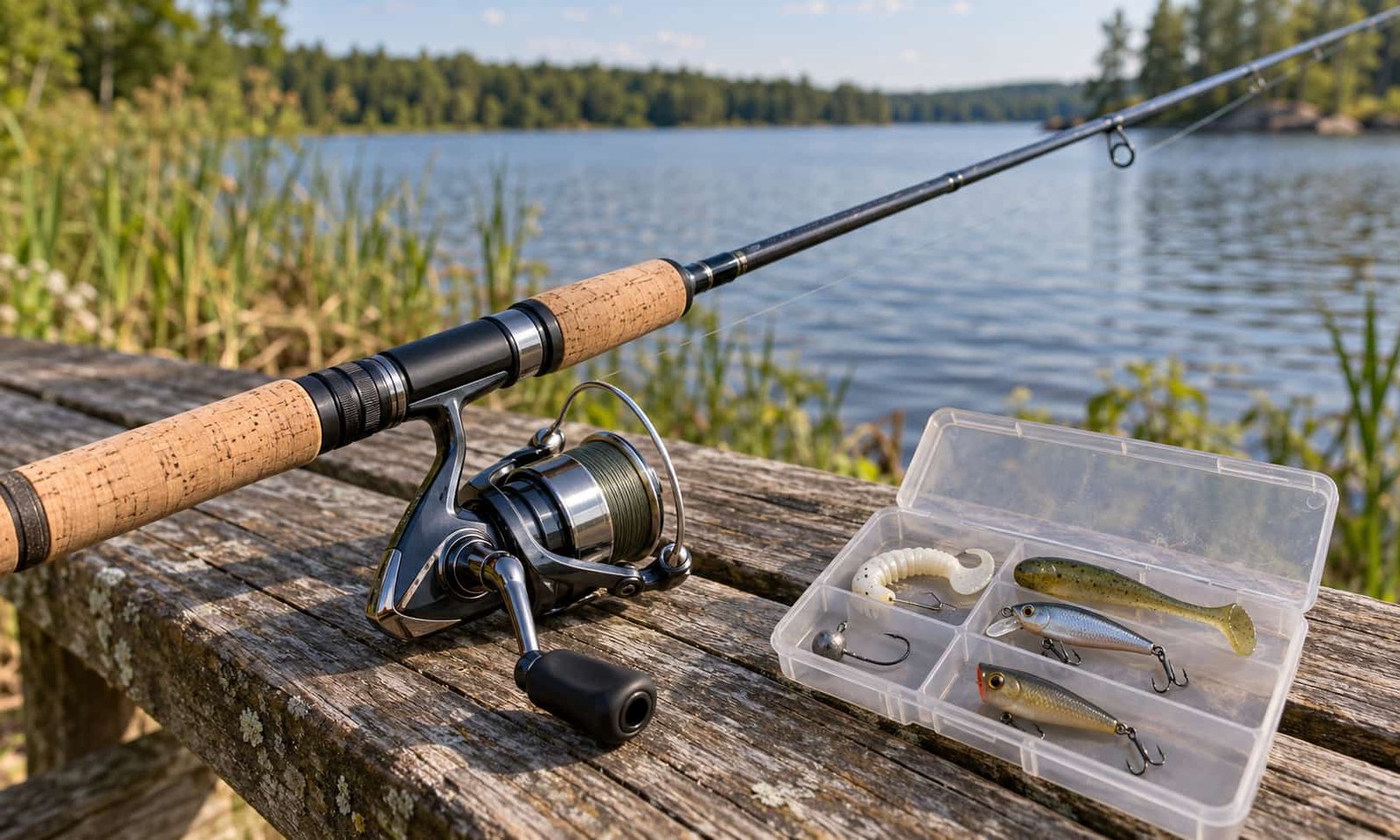
Learn how to choose a lure fishing rod by length, power, action, and lure weight. Find a practical starting setup before buying your first rod.
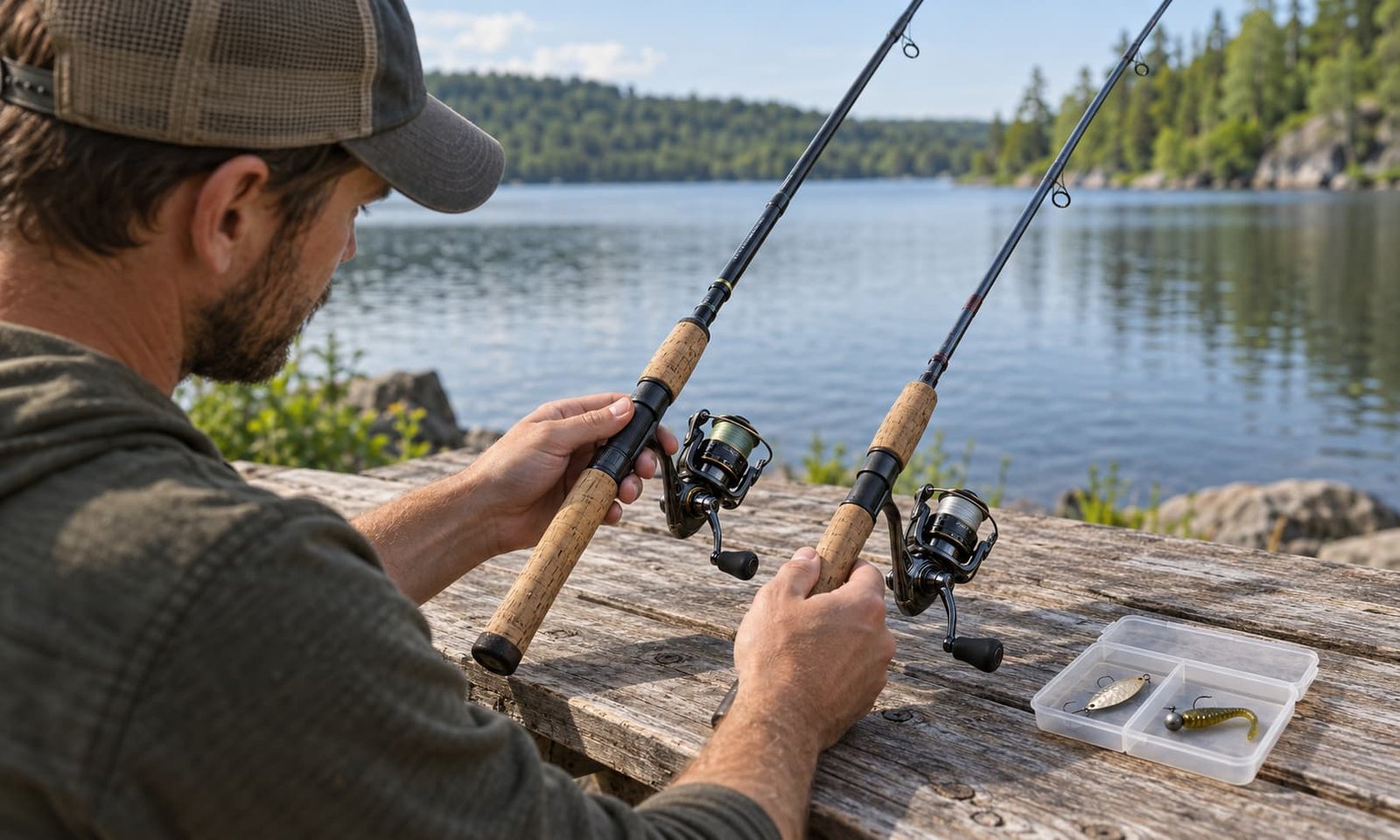
Learn how to adjust baitcaster brakes for better spool control, smoother casts, and fewer backlashes before you start pushing for more distance.
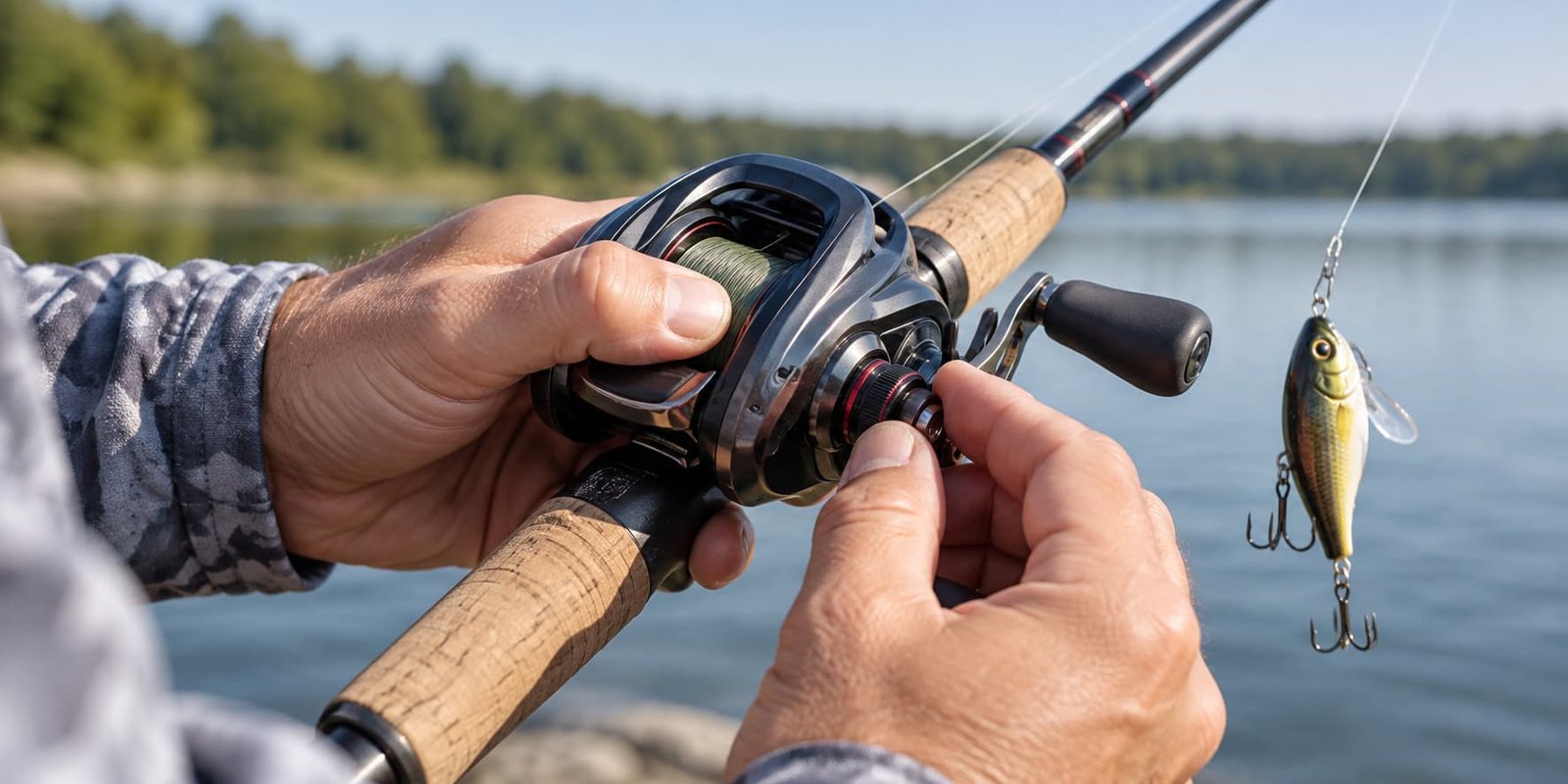
Not sure which rod to buy? Explore lure fishing gear for beginners, from rod length and power to reels, line, lures, and accessories.
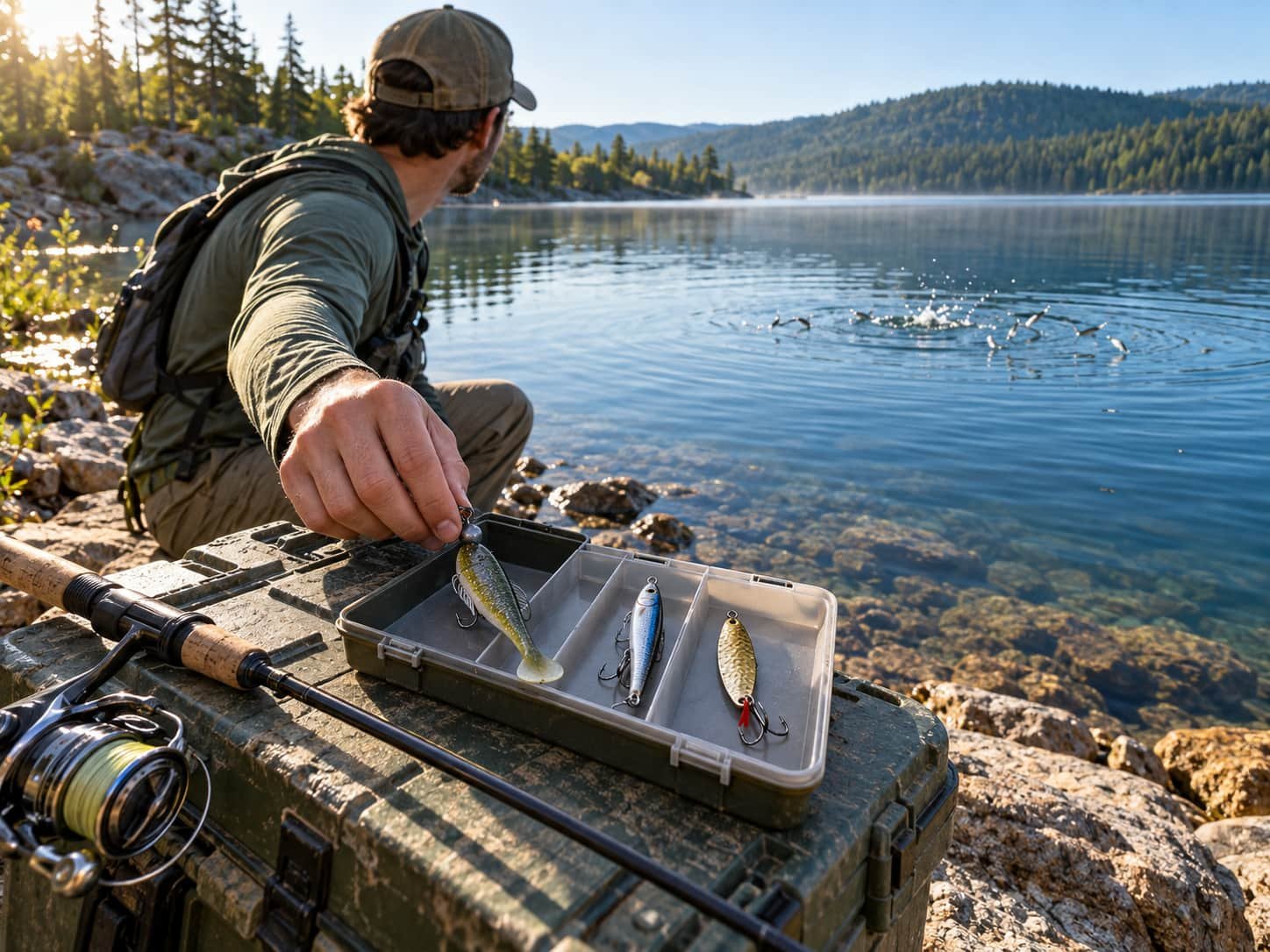
Skip the crowded tackle bag. See which rod, reel, fishing line, and starter lures help you learn faster on the water.
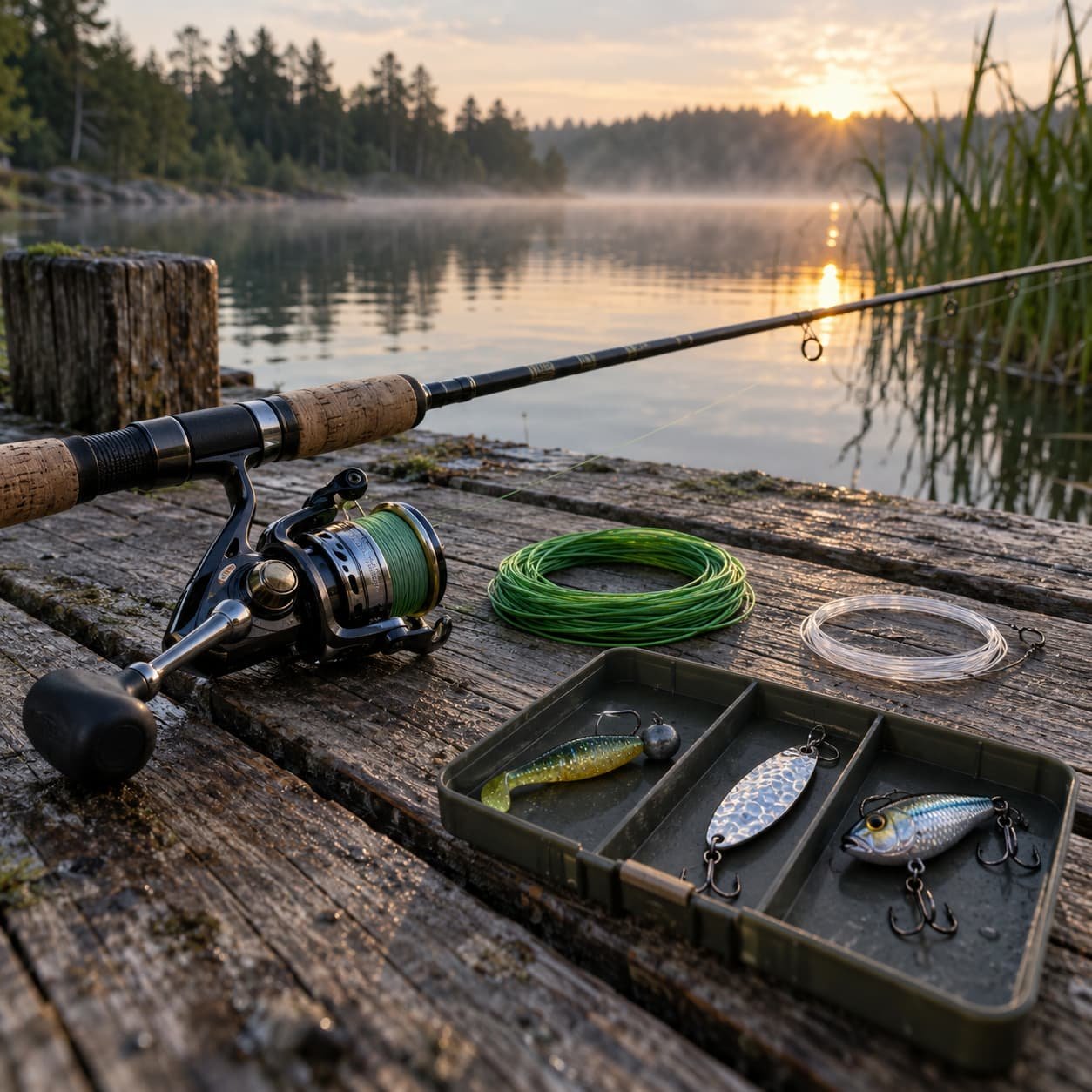
Not sure which rig to tie on? See the difference between jig head and Ned hook before choosing your next soft bait setup.