How to Adjust Baitcaster Brakes Like an Experienced Angler
- Category
- Fishing Gear
- Date
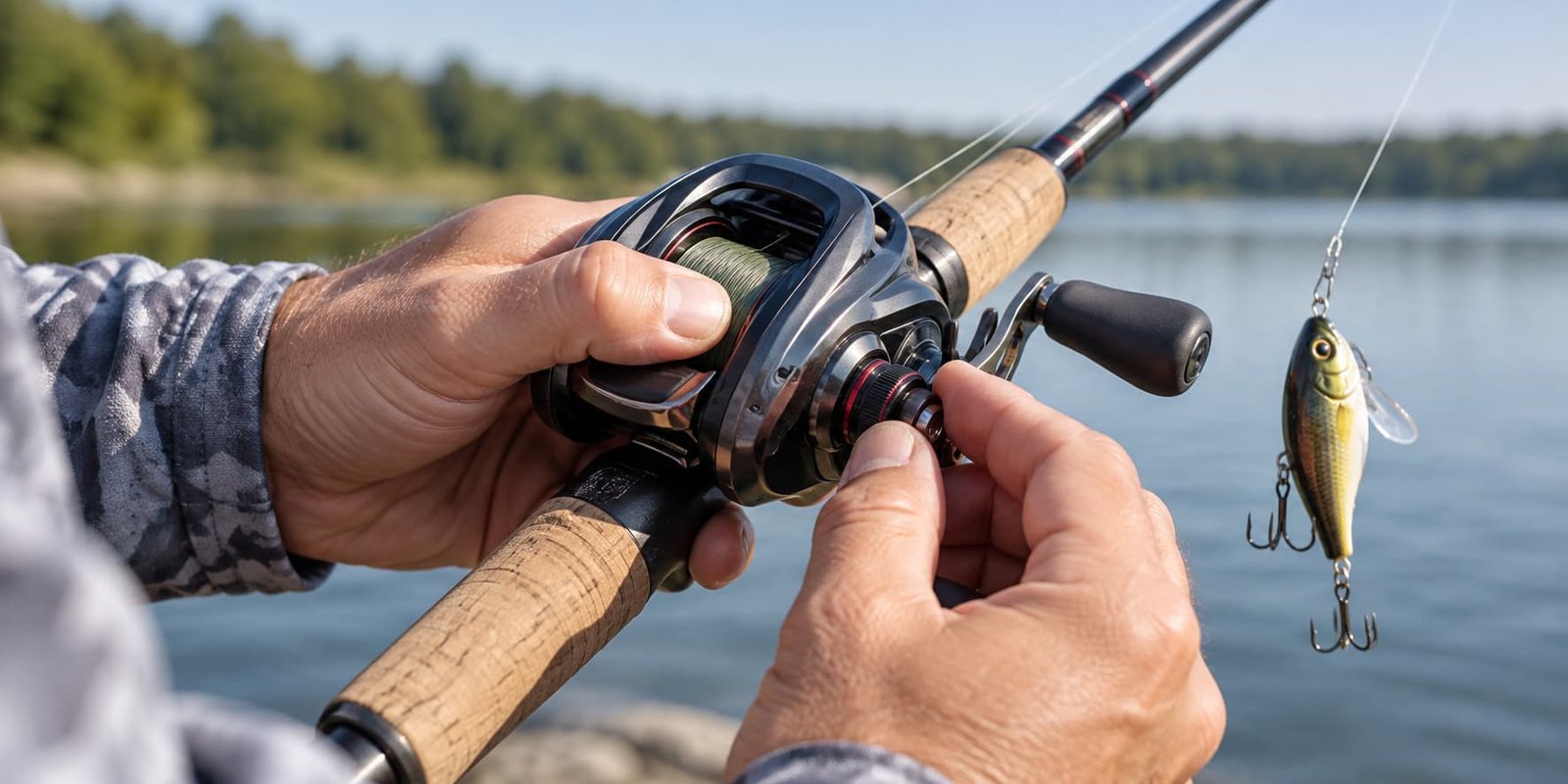
If you’re learning how to adjust baitcaster brakes, focus on control before chasing extra distance. Start by setting the spool tension and braking system so the lure falls smoothly without letting the spool overrun.
Lure weight, wind, and casting style all change how much braking you need, so there is no single setting that works every time. The guide below shows you how to fine-tune your reel, reduce backlashes, and make smoother, more controlled casts.
| Topic | Main Component / Concept | Function / Purpose | Setup / Technique | Expected Result / Risk | Beginner Note |
|---|---|---|---|---|---|
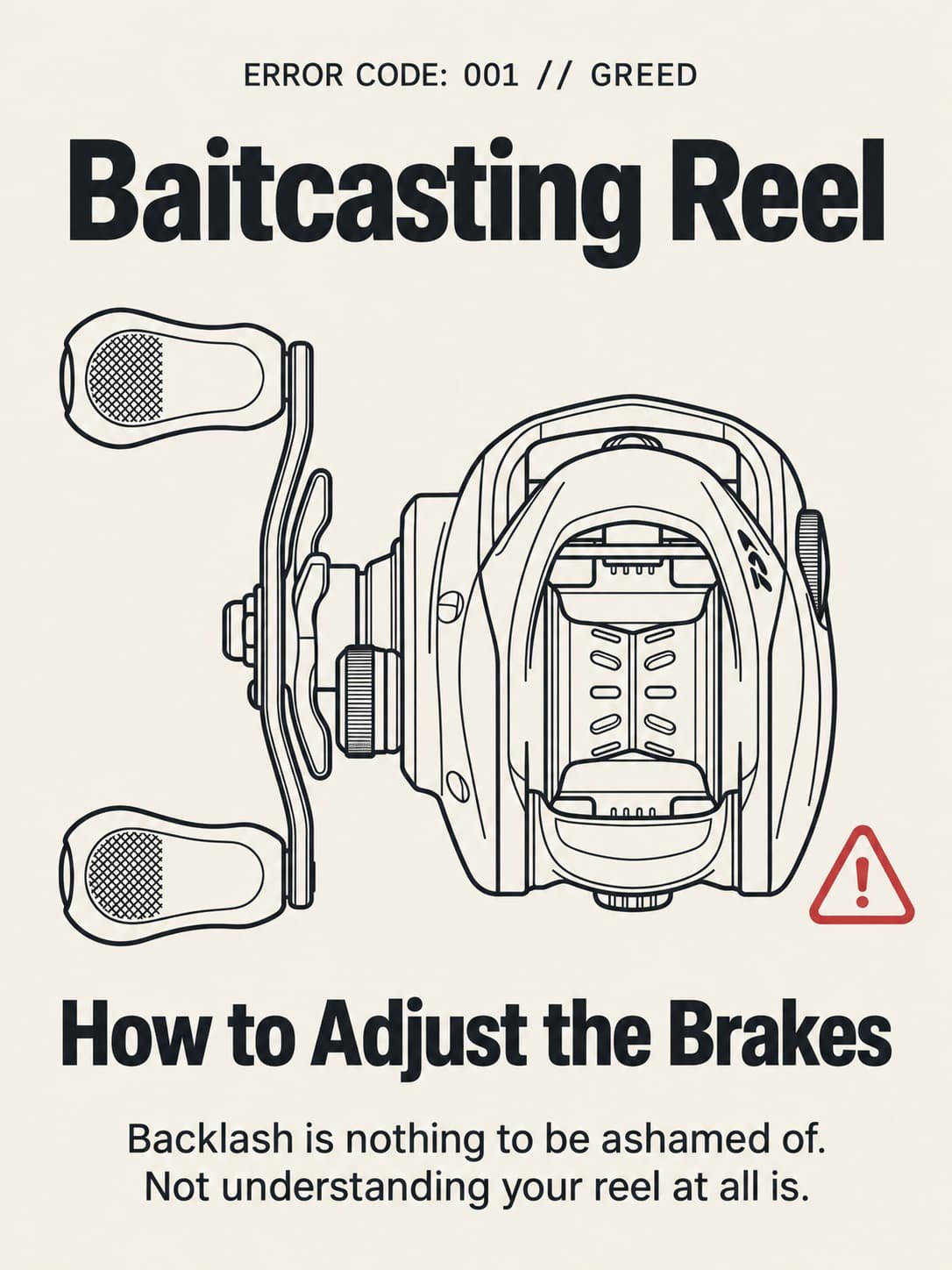
| Baitcasting Reel Setup | How to Adjust the Brakes | A backlash is nothing to be embarrassed about. The real issue is not understanding how your reel works. | Learn how to set the spool tension and braking system before trying to cast farther. | Fewer backlashes and less time spent picking out line. | Learn reel control first; casting distance comes later. |
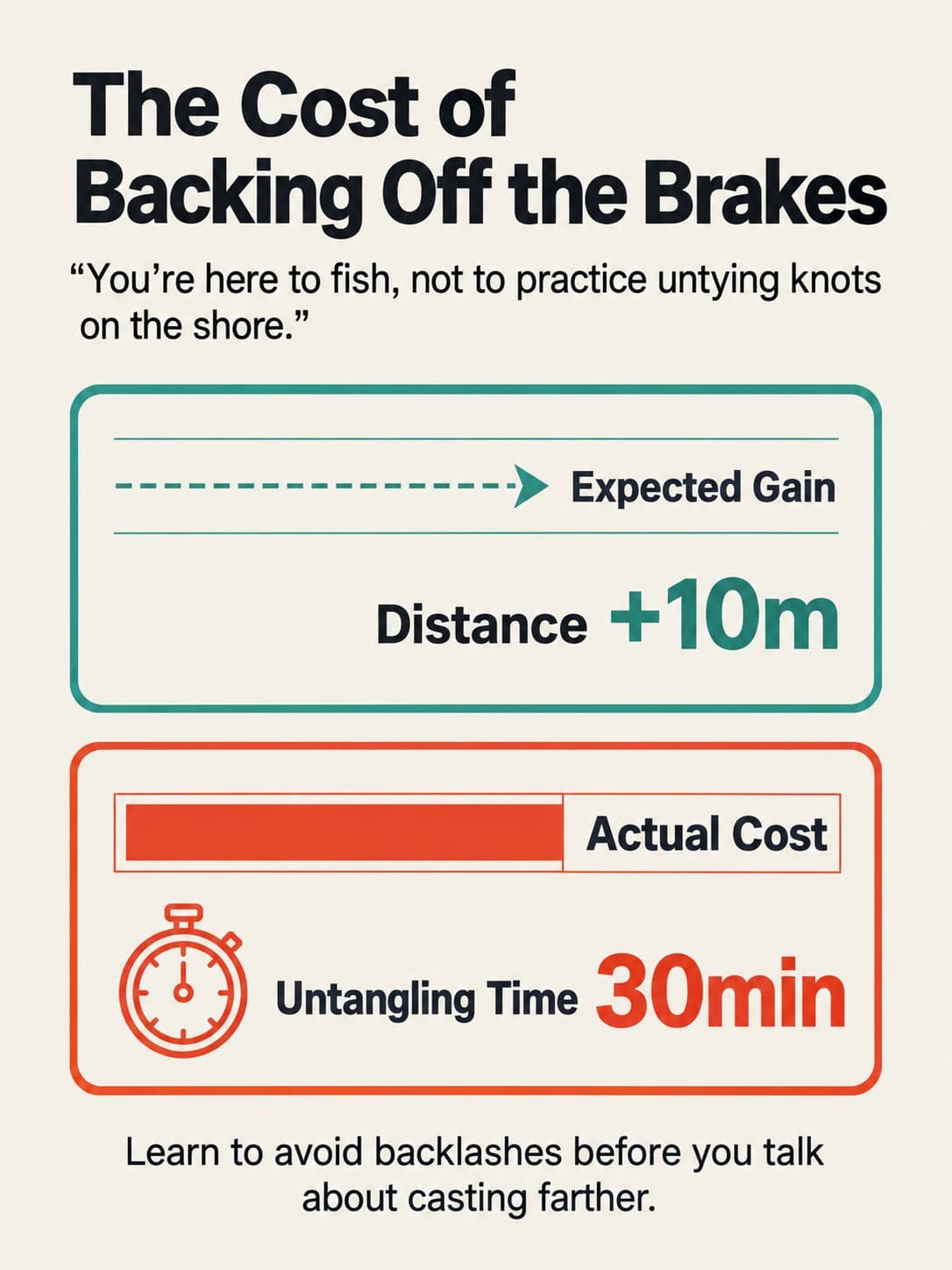
| The Cost of Backing Off the Brakes | Brake Reduction | Backing off the brakes can increase casting distance, but it also increases the risk of spool overrun. | Don’t reduce the brakes just to gain a few extra yards or meters. | Expected gain: about 10 m of distance. Actual cost: potentially 30 minutes spent clearing a backlash. | You’re here to fish, not spend your time picking out bird’s nests on the bank. |
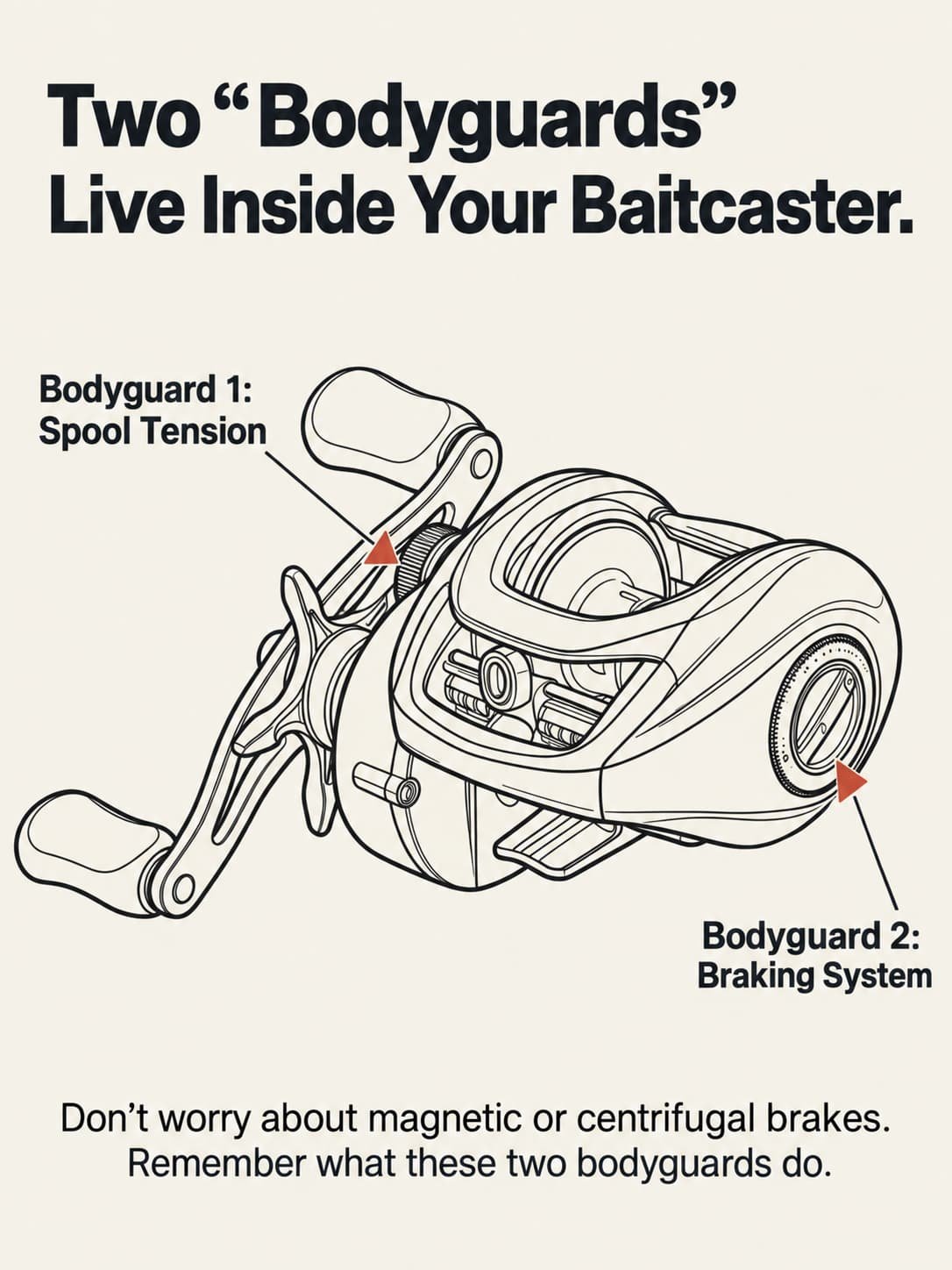
| Two Main Spool-Control Systems | Spool Tension + Braking System | These are the two primary systems that help control spool speed during a cast. | Understand what each control does before worrying about the finer differences between magnetic and centrifugal brakes. | Better spool control and fewer bird’s nests. | Think of them as the reel’s two main safeguards. |
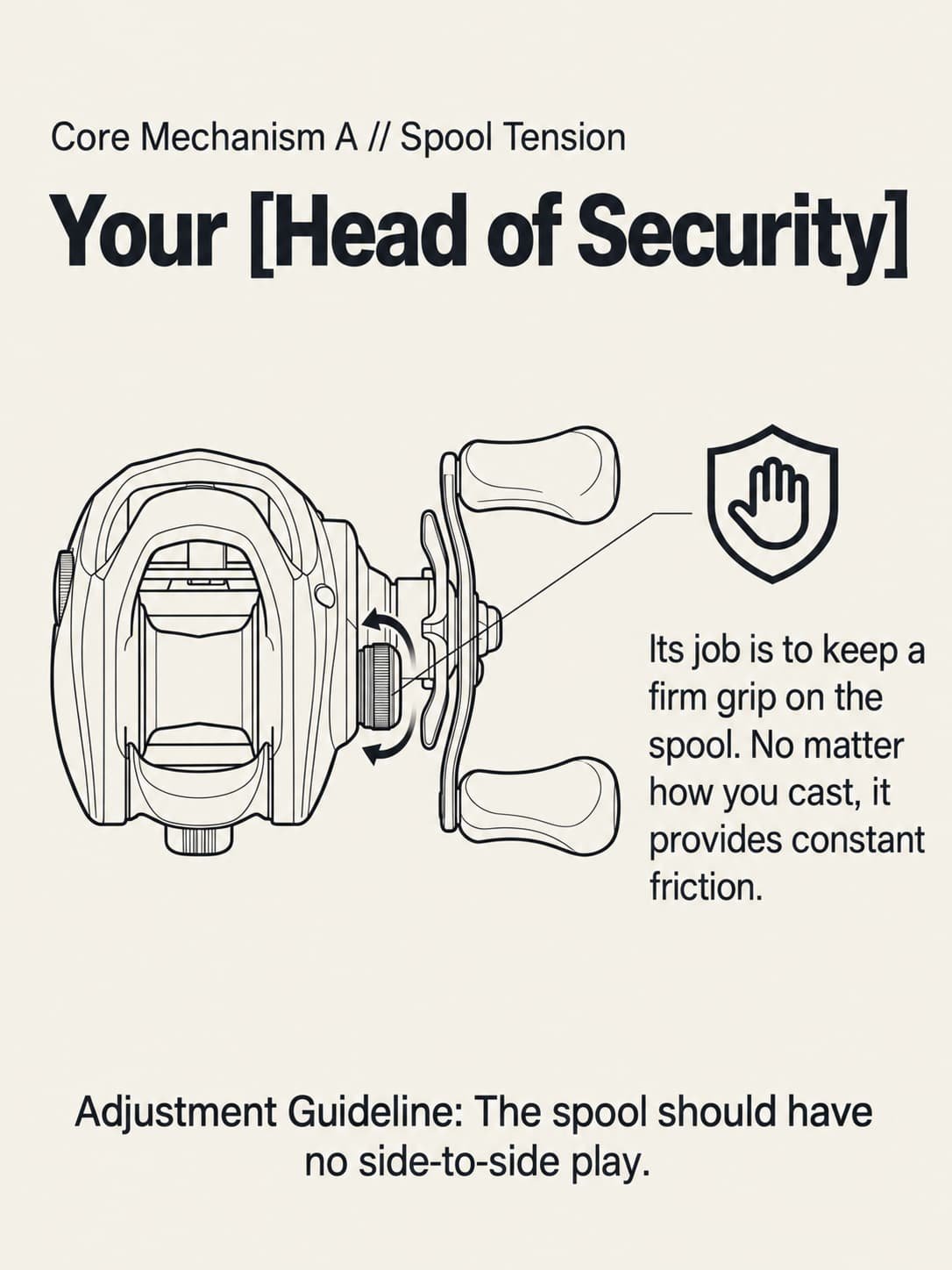
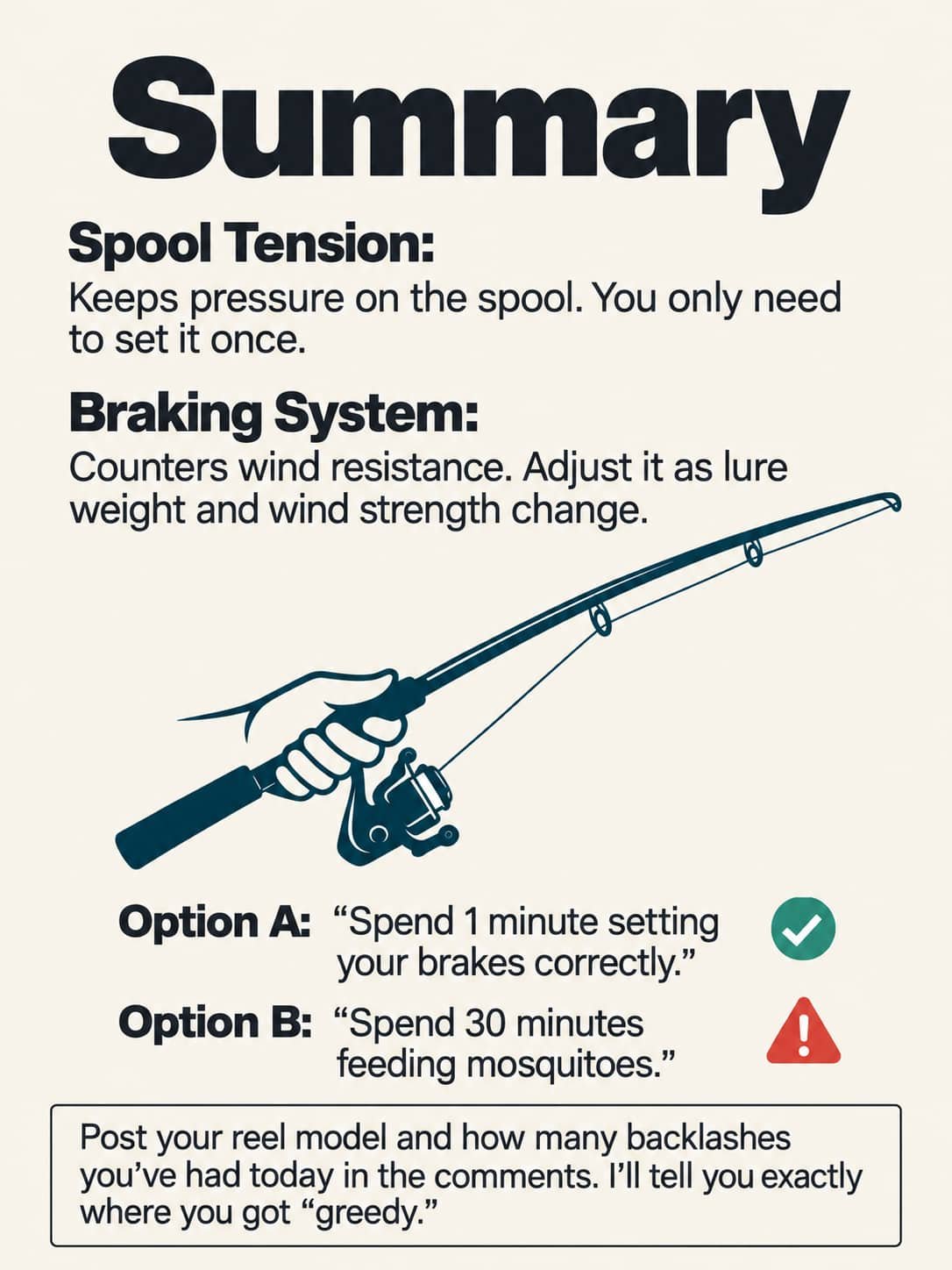
| Spool Tension | Spool Tension Knob | Applies constant pressure to the spool and helps limit side-to-side movement. | Adjust it until the spool has no side-to-side play. | Keeps the spool stable and reduces unnecessary spool movement. | Once set correctly, it usually does not need constant adjustment. |
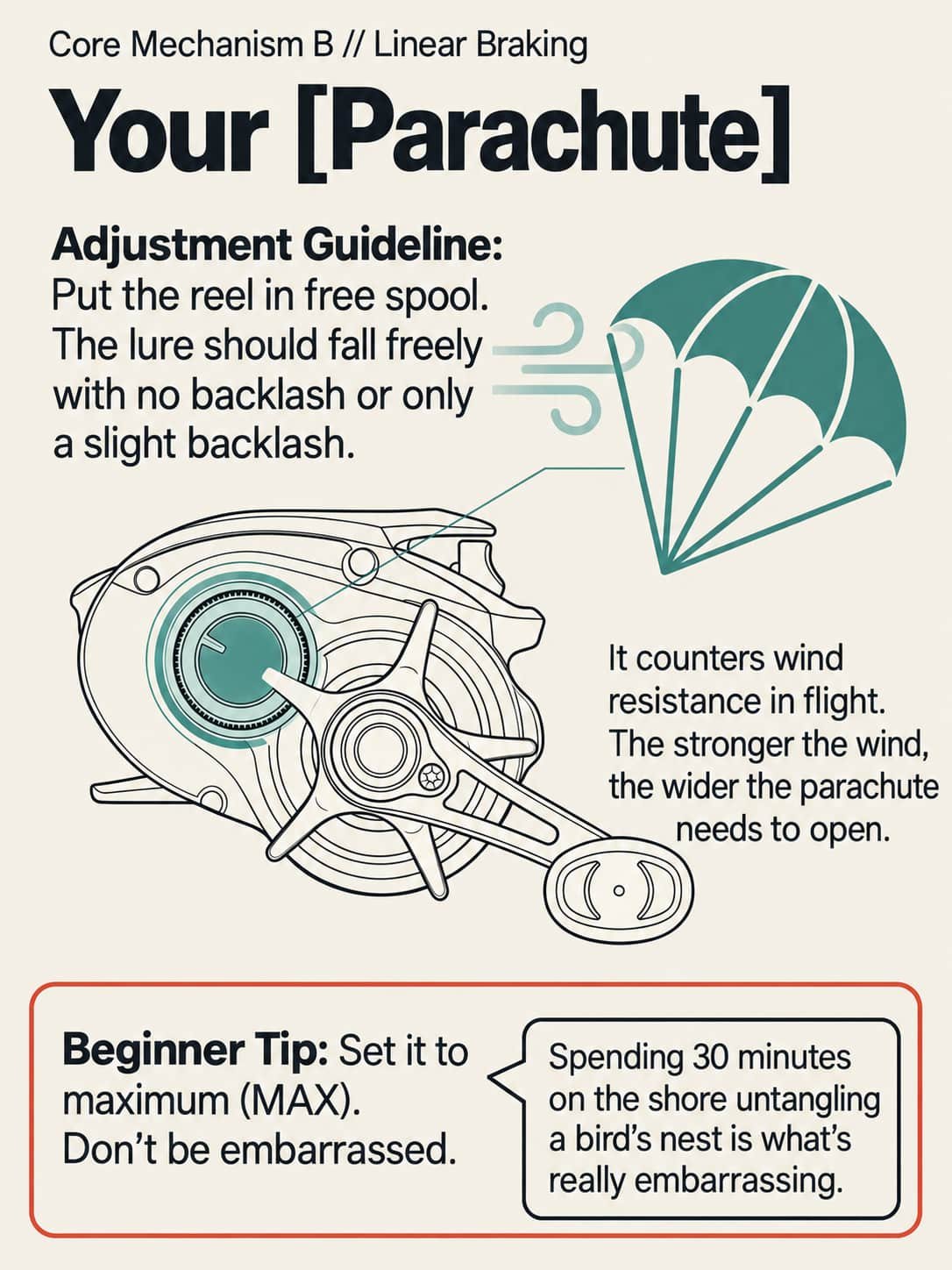
| Braking System | Magnetic or Centrifugal Braking System | Controls spool speed during the cast and helps prevent spool overrun. | Put the reel in free spool and adjust the brakes so the lure falls freely without a backlash, or with only a very slight overrun. | More braking gives more control; less braking may increase casting distance but also raises the risk of backlash. | Beginners can start with a high brake setting, even MAX. |
| Adjusting for Casting Conditions | Brake Setting | The braking system should be adjusted to match lure weight and wind conditions. | Increase braking in stronger wind or when casting a lure that is harder to control. Readjust when lure weight changes. | Helps prevent the spool from spinning faster than the line is leaving the reel. | One brake setting will not work perfectly in every situation. |
| Checking Your Setup | Free-Spool Drop Test | Uses the lure’s drop speed to check spool control before casting. | Press the thumb bar to put the reel in free spool, then let the lure drop. | The lure should fall smoothly without forming a bird’s nest, or with only a very slight overrun. | A useful basic setup test before you start casting. |
| Backlash / Bird’s Nest | Tangled Line on the Spool | Happens when the spool continues spinning faster than line can leave the reel. | Do not yank hard on the line. | Pulling aggressively can tighten the loops and make the tangle worse. | Backlashes are very common when learning to use a baitcaster. |
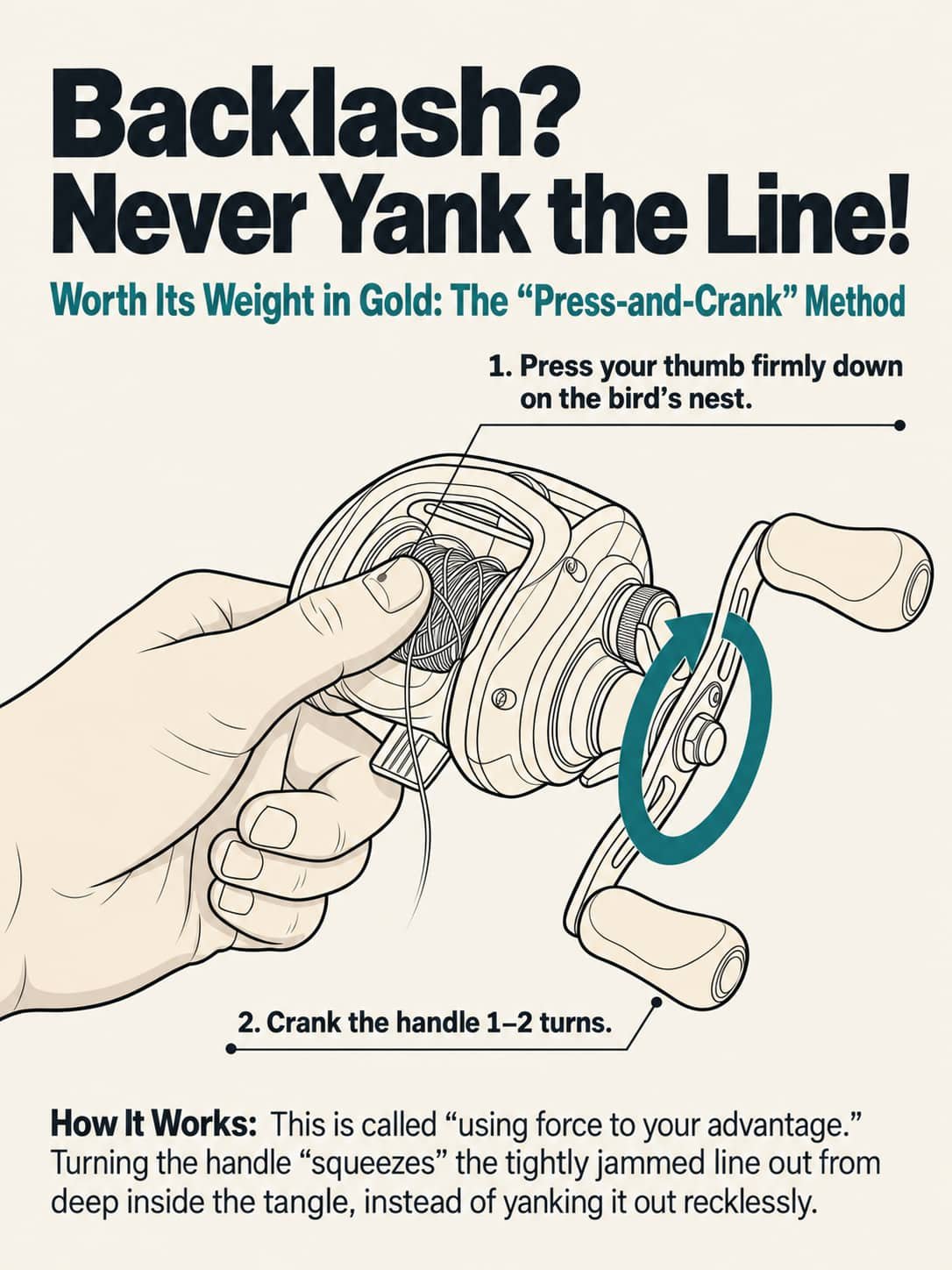
| Press-and-Crank Method | Thumb Pressure + Handle Crank | Uses thumb pressure on the spool together with the reel handle to help free line trapped deep in a backlash. | 1. Press your thumb firmly down on the bird’s nest. 2. Crank the handle 1–2 turns. | Helps loosen deeply embedded loops without yanking on the line. | A useful technique for clearing stubborn backlashes. |
| How Press-and-Crank Works | Using Pressure to Free the Tangle | Turning the handle while applying thumb pressure can help work trapped loops loose from deeper inside the backlash. | Maintain firm thumb pressure while turning the handle. | Makes it easier to pull line out and continue clearing the remaining loops. | Work the backlash out gradually instead of forcing it. |
| Beginner Baitcaster Setup | Conservative Brake Setting | The first goal is consistent, controlled casting—not maximum distance. | Start with a high brake setting, then gradually back it off as your thumb control improves. | Fewer backlashes and more time spent actually fishing. | Don’t rush to reduce the brakes too soon. |
| Setting Spool Tension | Basic Reel Setup | Maintains the correct amount of pressure on the spool. | Adjust until there is no noticeable side-to-side spool play. | Improves spool stability. | Once set correctly, it generally does not need frequent adjustment. |
| Adjusting the Braking System | Dynamic Spool Control | Helps manage changes in lure weight, aerodynamics, and wind. | Adjust the brake setting whenever lure weight or wind conditions change significantly. | Improves control across different casting conditions. | This control usually needs more frequent adjustment than spool tension. |
| Learning to Use a Baitcaster | Control Before Distance | Good baitcasting starts with spool control, not maximum casting range. | Set the reel correctly → practice smooth, controlled casts → gradually reduce braking as your control improves. | Fewer bird’s nests and more consistent casting. | Don’t get greedy for extra distance before you have the reel under control. |
| Setup Time vs. Backlash Time | Proper Setup vs. Untangling | A minute spent setting up the reel properly can save a lot of time on the water. | Option A: Spend 1 minute setting your brakes correctly. Option B: Spend 30 minutes picking out a bird’s nest. | Proper setup saves fishing time and reduces frustration. | Spend your time fishing, not untangling line. |
| Component / Issue | Recommended Setup | When to Adjust | Main Goal |
|---|---|---|---|
| Spool Tension | Set so the spool has no side-to-side play | Mainly during initial reel setup | Keep the spool stable |
| Braking System | Set so the lure drops freely with little or no overrun | When lure weight or wind conditions change | Control spool speed during the cast |
| Beginner Brake Setting | Start high, even at MAX if needed | Reduce gradually as control improves | Minimize backlash |
| Backlash | Do not yank on the line | Whenever a bird’s nest forms | Avoid tightening the tangle |
| Press-and-Crank | Apply thumb pressure and crank 1–2 turns | When line is jammed deep in the backlash | Free trapped loops more easily |
| Casting Distance | Increase gradually after spool control improves | Once casts are smooth and consistent | Cast farther without losing control |
More to Explore
Related Articles
More guides in Fishing Gear
Take a closer look at 6 saltwater fishing rigs, from shore setups to boat rigs, with diagrams that show how the lines, hooks, and sinkers connect.
Learn how to choose a saltwater fishing reel for shore or boat fishing by comparing reel type, drag performance, and line capacity before you buy.
Build a bass fishing setup for beginners with a rod, braided line, and a leader that work together. Learn knots and casting before your first trip.
Learn how to choose a lure fishing rod by length, power, action, and lure weight. Find a practical starting setup before buying your first rod.
Not sure which rod to buy? Explore lure fishing gear for beginners, from rod length and power to reels, line, lures, and accessories.
Unsure what gear to buy first? This lure fishing setup for beginners guide covers spinning rods, reels, braid, fluorocarbon leaders, and lure weights.
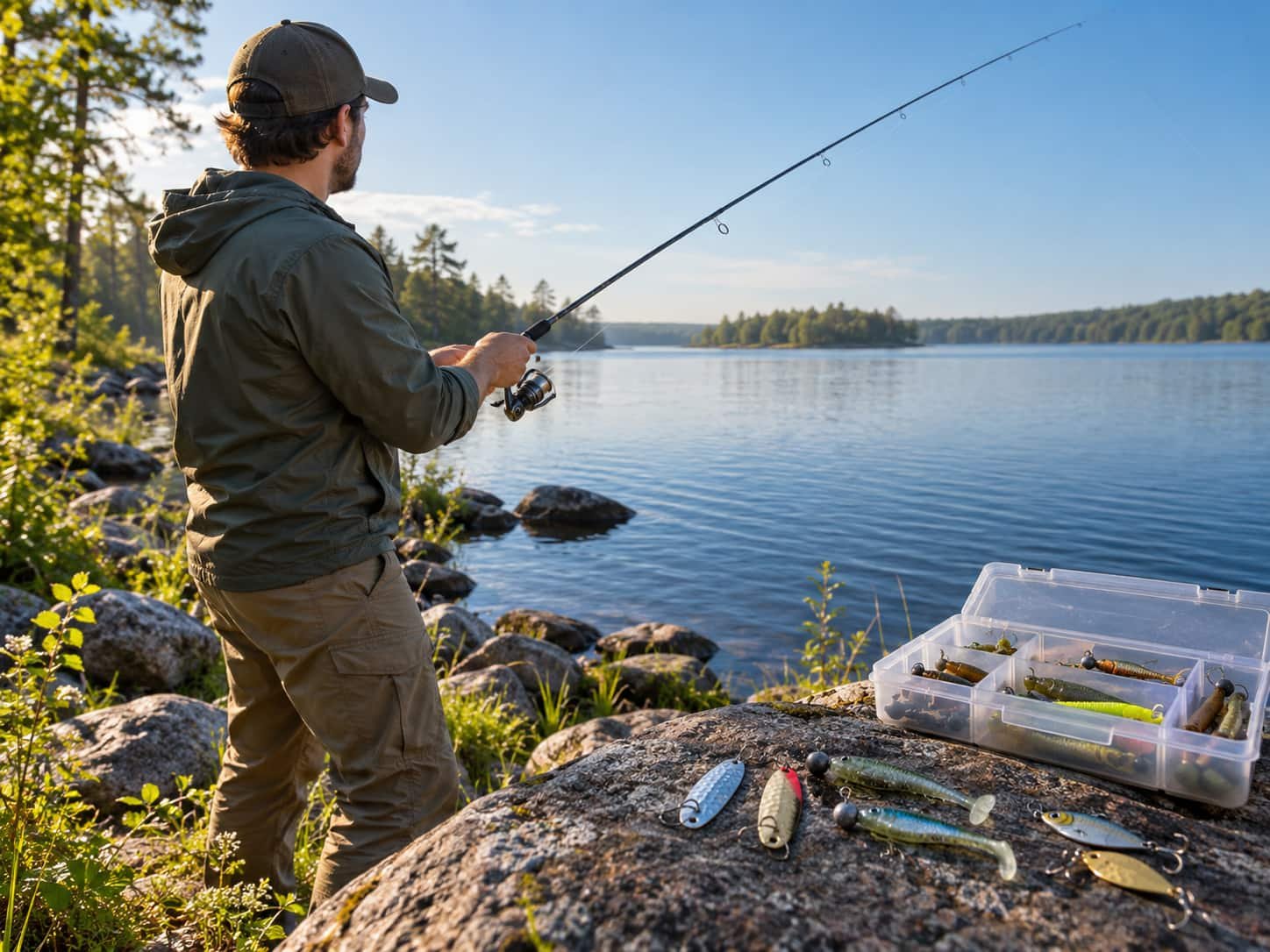
Skip the crowded tackle bag. See which rod, reel, fishing line, and starter lures help you learn faster on the water.
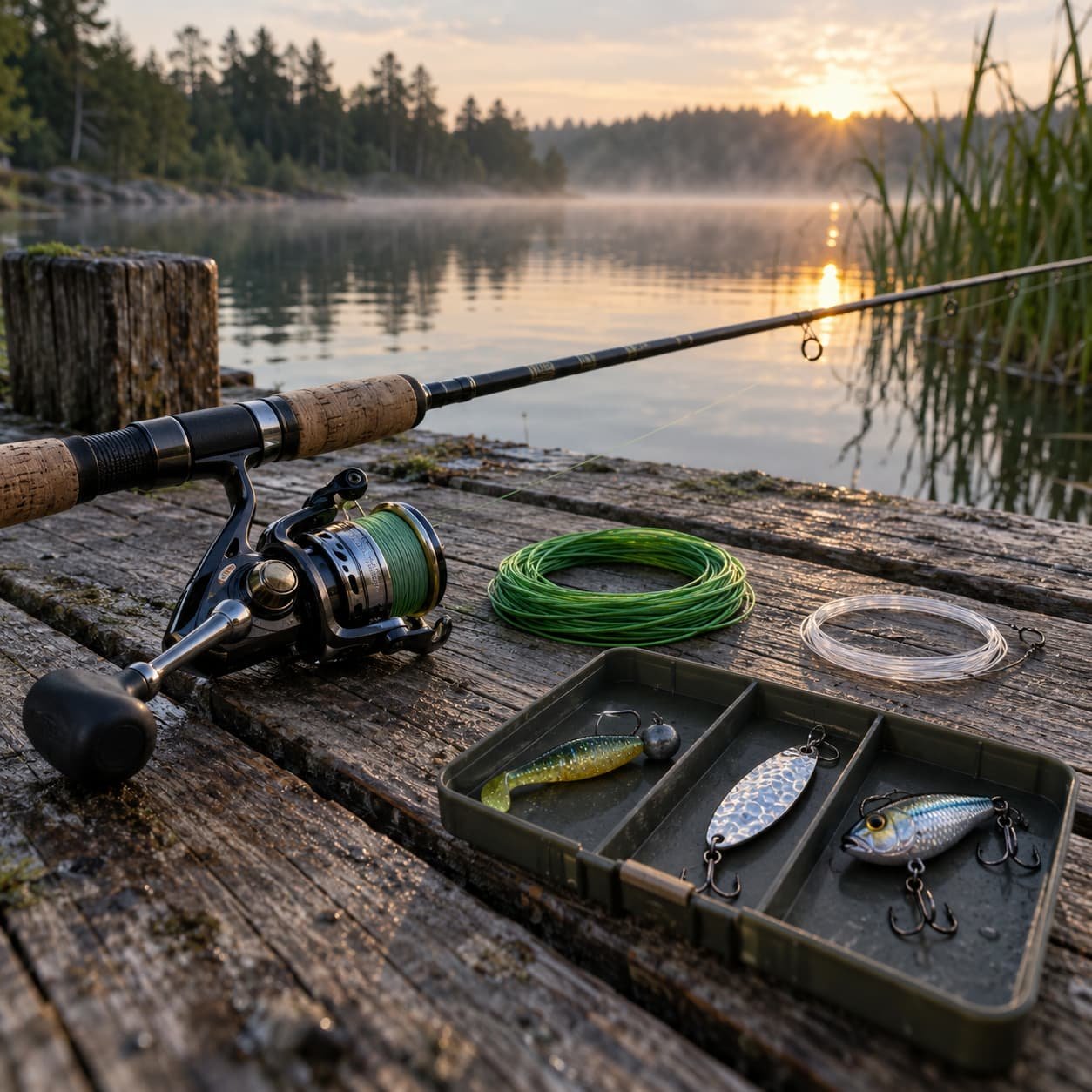
Not sure which rig to tie on? See the difference between jig head and Ned hook before choosing your next soft bait setup.