How to Choose Your First Lure Rod Without Wasting Money
- Category
- Fishing Gear
- Date
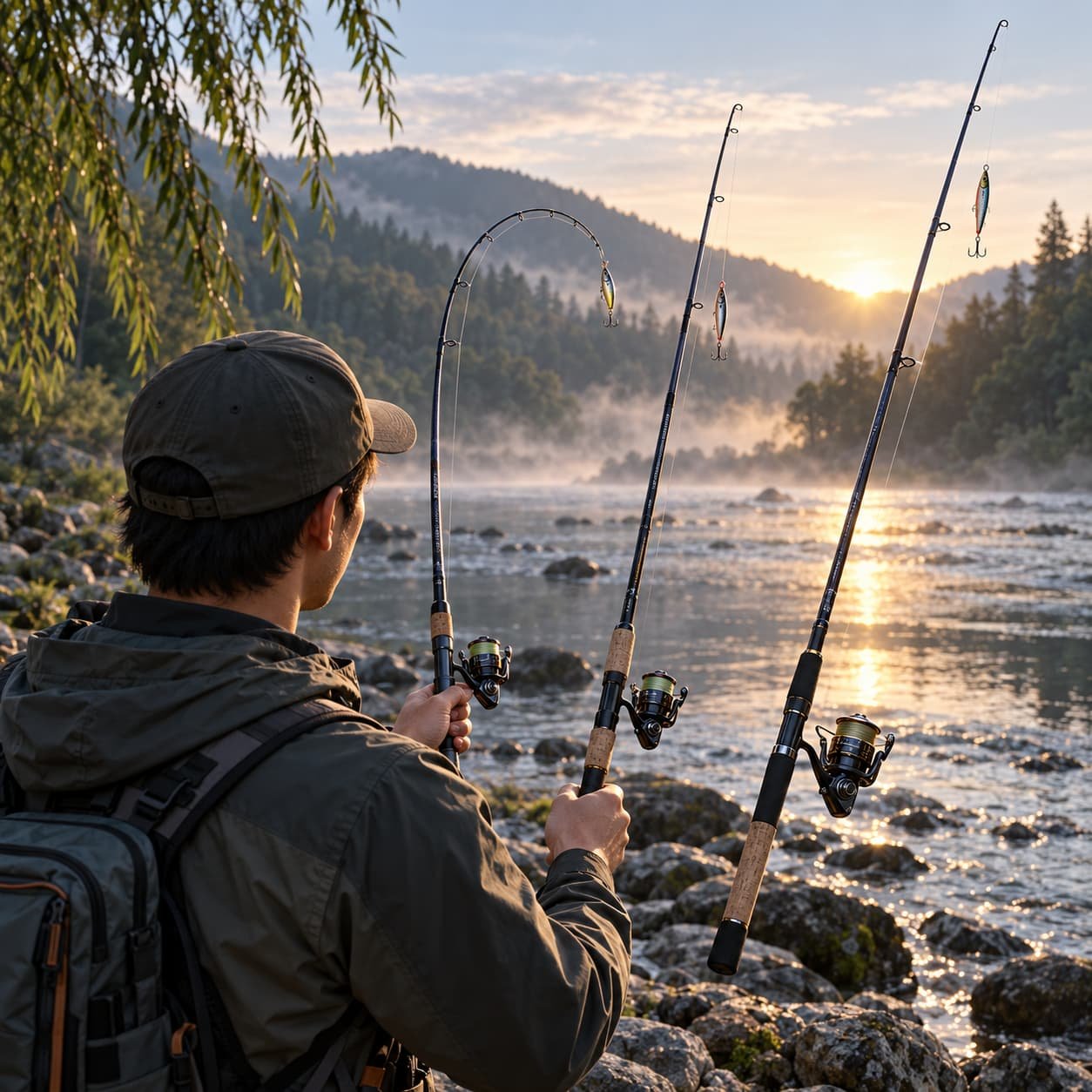
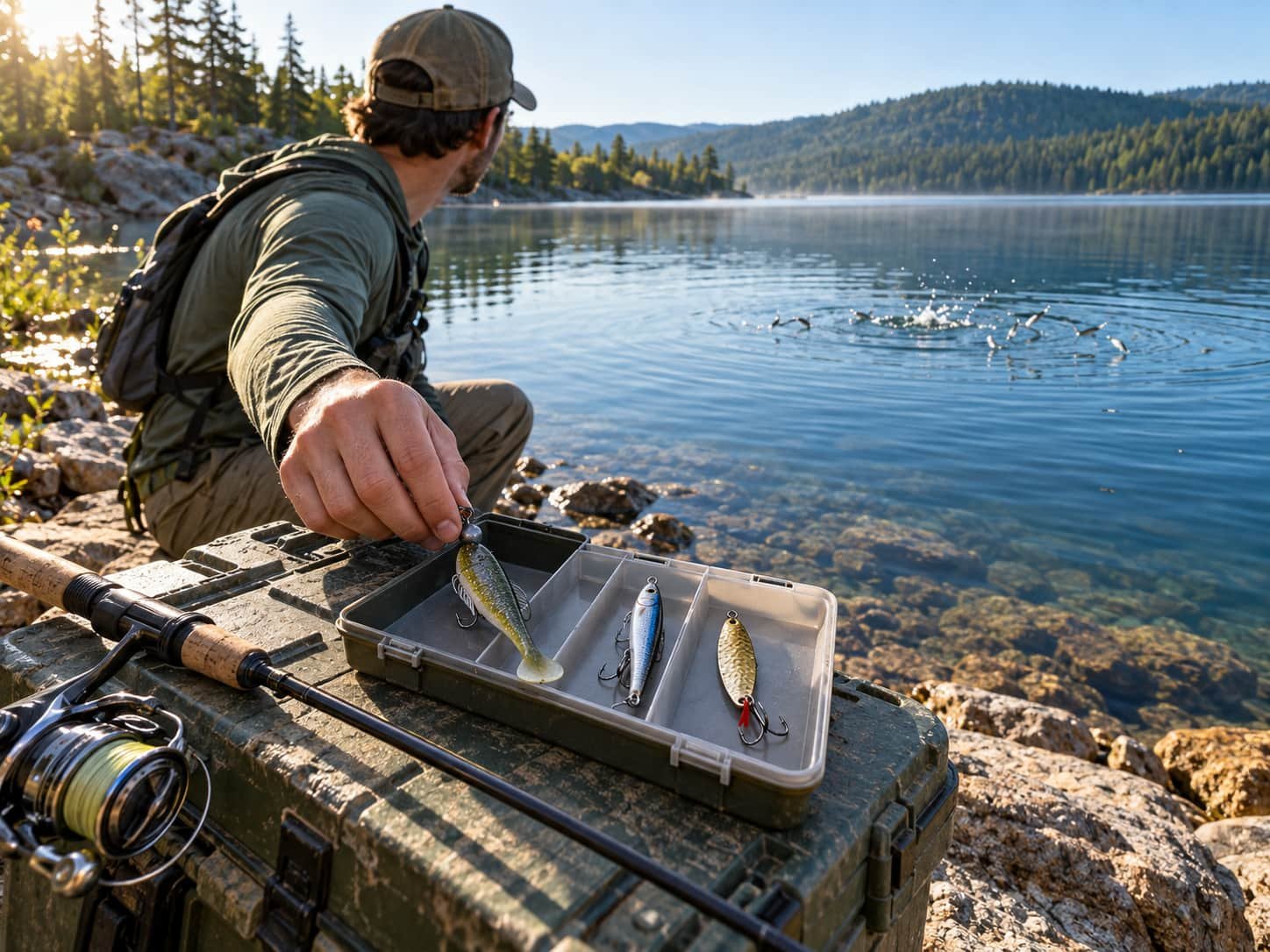
A good lure rod should make your casts feel easier, not make fishing more complicated. Yet many new anglers buy based on color, price, or whatever rod is available at the shop. That usually works until the lure feels too heavy, the cast lacks control, or a fish hits and the rod responds too slowly.
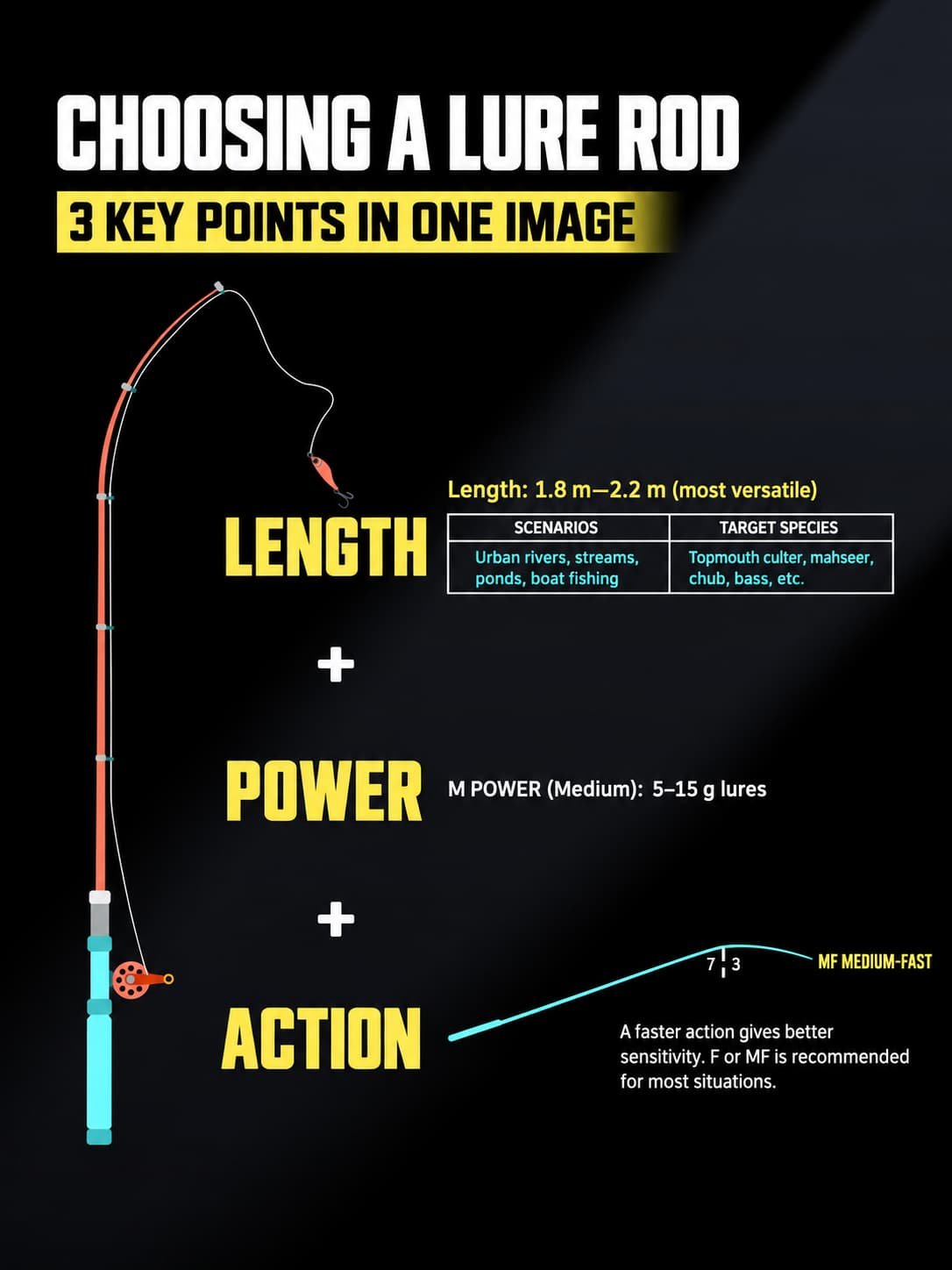
Before choosing, understand the job of rod length, power, and action. These three details decide how far you can cast, which lures you can work properly, and how the rod handles a strike. Take a few minutes to learn them now, then choose the rod that will help you fish with more confidence from your first trip.
Which three rod specifications should a beginner understand?
Length describes the rod’s overall reach, power describes its resistance to bending, and action describes where the rod bends under load. Beginners should read all three specifications together. A long rod does not automatically have heavy power, and a fast-action rod does not automatically suit heavy lures.
| Specification | What the term means | What to consider |
|---|---|---|
| Length | The rod’s overall length | Casting room, close-range accuracy, and distance |
| Power | How much force the rod needs to bend | The lure-weight range you need |
| Action | Where the rod bends under load | How close the bend stays to the tip |
The letter M needs context. In a power rating, M means medium. In an action rating, M can mean moderate. Read the complete specification when comparing rods so that the same letter does not lead you to confuse power with action.
What rod length suits the places you fish?
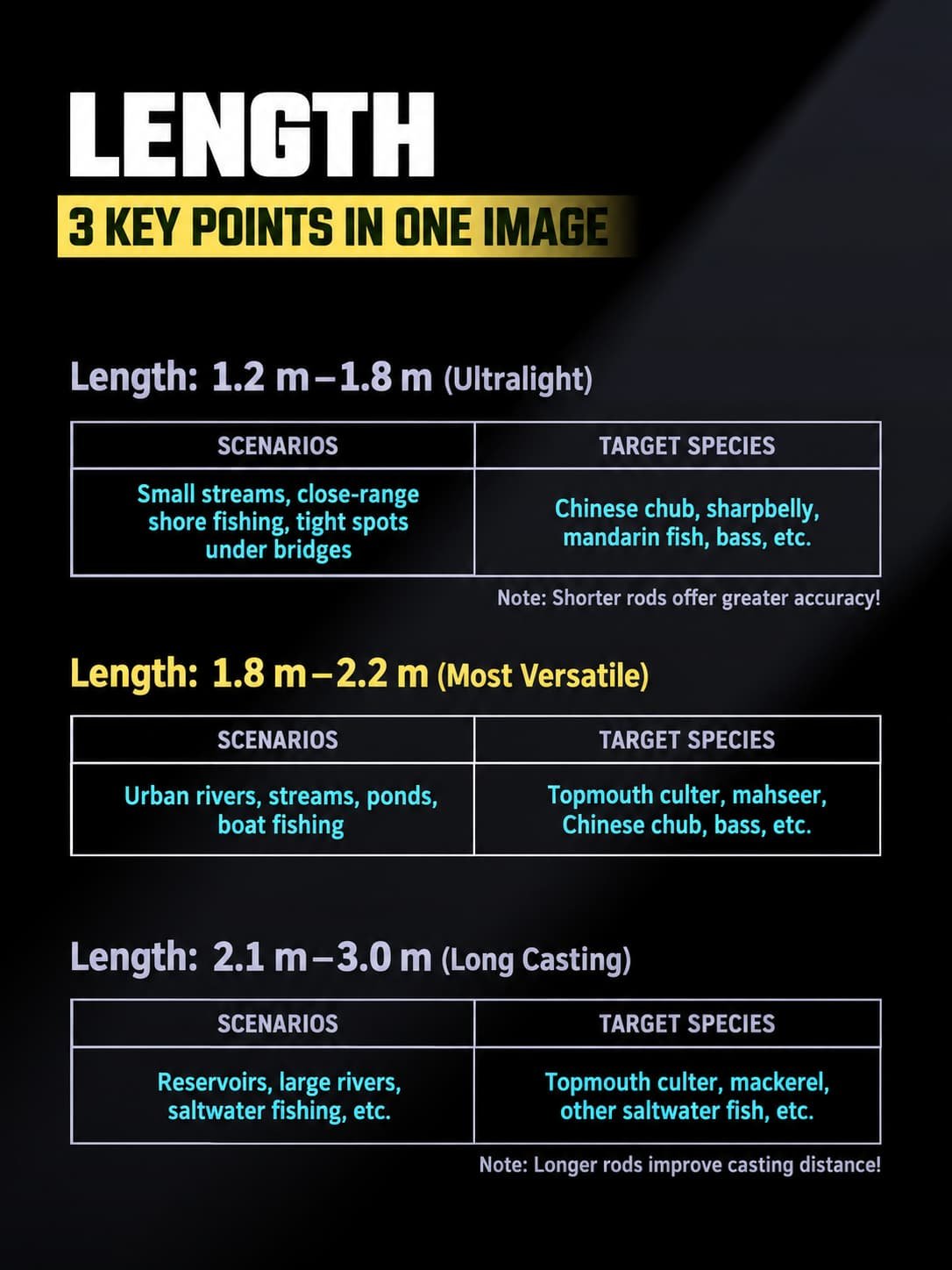
Choose rod length around your casting space and the distance you need to reach. Shorter rods suit close work in confined spots, while longer rods help cover more distant water. For beginners fishing a mix of freshwater locations, the 1.8–2.2 m range sits between those two needs.
Measure the choice against the bank where you will stand. A narrow stream beneath a bridge presents a different casting problem from an open reservoir bank. Extra reach helps only when your fishing spot gives you room to use the longer rod comfortably.
When does a 1.2-1.8 m rod make sense?
A 1.2–1.8 m rod suits small streams, close-range bank fishing, and confined spaces beneath bridges. The shorter length helps when accurate placement matters more than reaching distant water. Choose this range when the places you regularly fish leave little room to swing and control a longer rod.
A nearby opening beneath a bridge calls for a controlled cast. In that setting, extra rod length can become awkward before the added reach becomes useful. Judge the rod by the casts you need to make most often.
Why is a 1.8-2.2 m rod a useful first choice?
A 1.8–2.2 m rod covers a useful middle ground for urban rivers, streams, ponds, and boat fishing. This range suits beginners who move between several locations without a strong need for either a very short rod or extra casting reach. Start here when your fishing involves varied, everyday water.
When should you consider a 2.1-3.0 m rod?
A 2.1-3.0 m rod makes sense on reservoirs, large rivers, and saltwater fishing spots where casting distance matters. The extra length helps reach farther water when the bank or shoreline provides sufficient casting room. Consider this range when distance is a regular requirement at your fishing spots.
The length ranges overlap at 2.1-2.2 m. A rod within that interval falls inside both the general-purpose range and the longer-casting range. Treat the ranges as useful guides; let the casting room and reach you need settle the choice.
How do you match rod power to lure weight?
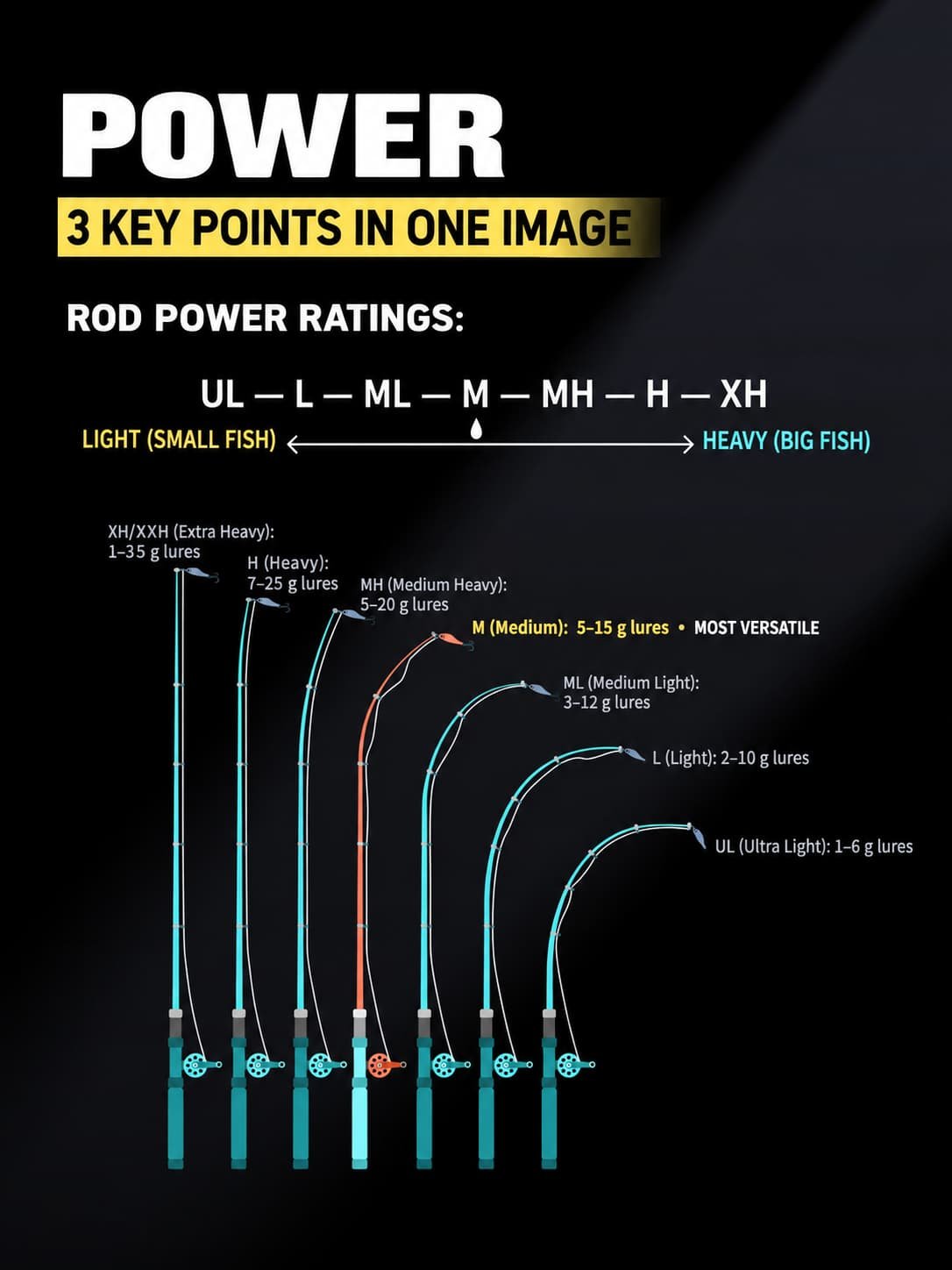
Choose rod power alongside the weight of the lures you plan to cast. The power scale runs from ultralight through extra heavy, with increasing resistance to bending. Medium power provides the central starting point here, paired with 5-15 g lures, while lighter and heavier categories cover different lure weights.
The following example ranges show how lure weights overlap across power classes. Check the lure rating printed on the particular rod before buying; a power letter alone does not give you an exact casting range.
| Power marking | Full name | Example lure-weight range |
|---|---|---|
| UL | Ultralight | 1-6 g |
| L | Light | 2-10 g |
| ML | Medium light | 3-12 g |
| M | Medium | 5-15 g |
| MH | Medium heavy | 5-20 g |
| H | Heavy | 7-25 g |
XH means extra heavy. Check the marked lure-weight rating on an XH rod rather than assuming a range from the progression above.
A 5 g lure falls within several listed ranges, so lure weight does not always point to one power class. For a lure box built around 5-15 g lures, compare medium-power rods first. For fishing with 1-6 g lures, start with ultralight rods and check each rod’s rating.
What does rod action tell you about the bend?
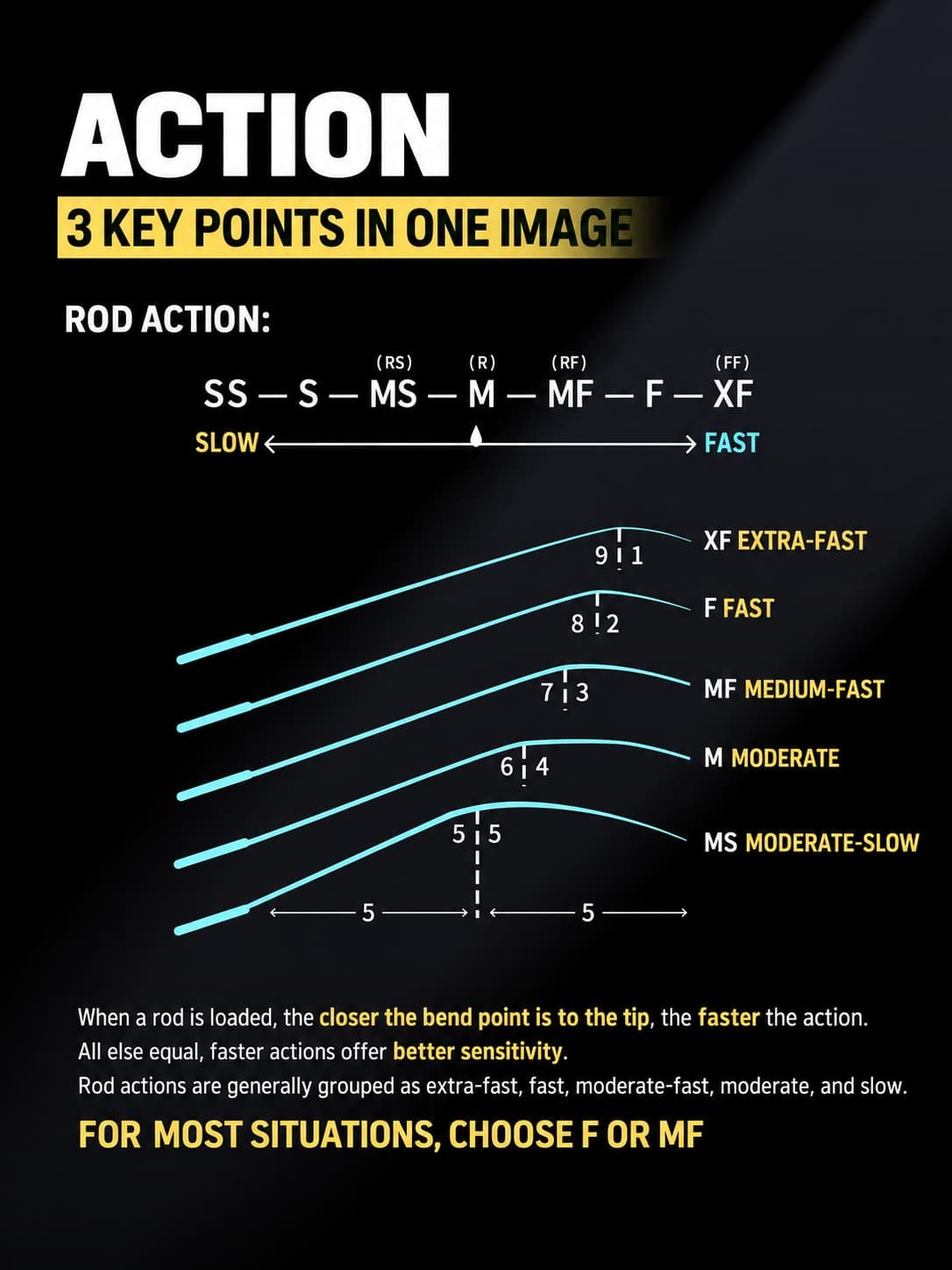
Rod action describes where a rod bends under load. Faster actions concentrate more of the bend near the tip, while slower actions bend farther down the rod. Action describes the bend pattern, so beginners should keep this specification separate from power, which describes how much force bends the rod.
The illustrated ratios show a progression from a bend near the tip to a deeper bend. Use the ratios to compare bend patterns rather than treating the figures as exact measurements that every rod must match.
| Action marking | Action name | Illustrated bend ratio |
|---|---|---|
| XF | Extra fast | 9:1 |
| F | Fast | 8:2 |
| MF | Moderate-fast | 7:3 |
| M | Moderate | 6:4 |
| MS | Moderate-slow | 5:5 |
MF means moderate-fast here, describing an action between fast and moderate. The fast-action illustration keeps more of the bend toward the tip; the moderate-fast illustration shows the bend extending a little farther down the rod.
Why start with fast or moderate-fast action?
Fast or moderate-fast action gives beginners a practical starting point for general lure fishing. Both choices keep the bend toward the upper part of the rod. With other factors equal, a faster action can offer clearer feedback, helping you feel what happens through the rod while you work a lure.
How should you put length, power, and action together?
Start with a 1.8-2.2 m rod, medium power, and fast or moderate-fast action for general fishing with 5-15 g lures. Then adjust the length for your location and check the rod’s marked casting range. This combination suits beginners fishing rivers, streams, ponds, or from a boat.
Use 1.2-1.8 m as your length reference when close casts and confined spaces dominate your fishing. Look toward 2.1-3.0 m when reservoirs, large rivers, or saltwater spots regularly demand more reach. Match power to your usual lure weights in either setting.
Picture your next trip before choosing a rod: where you will stand, how much casting room you will have, and which lures you will use. Those everyday details give you a practical reason to choose one rod over another.
More to Explore
Related Articles
More guides in Fishing Gear
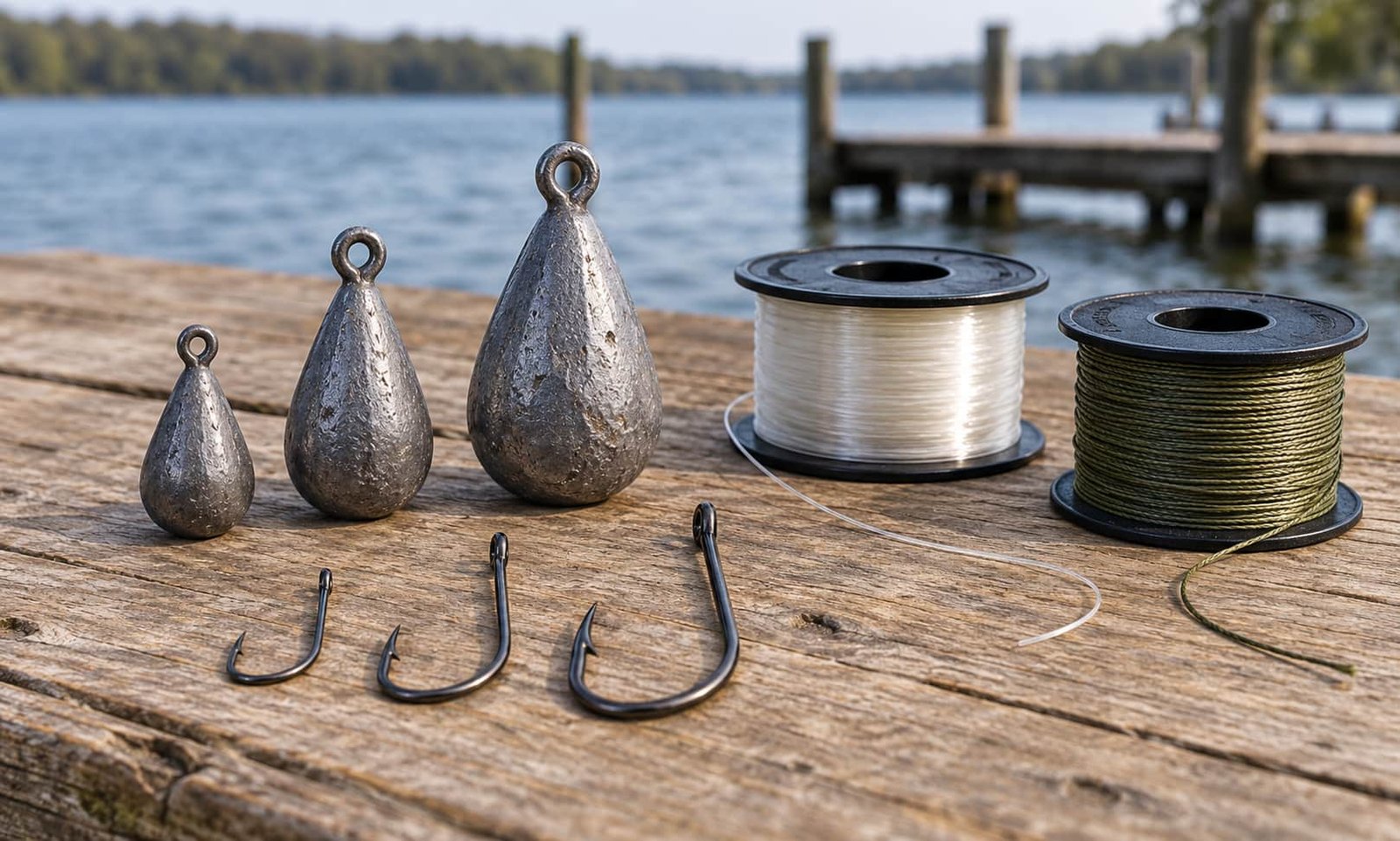
Fishing tackle sizes explained in plain English. Decode hook numbers, line ratings and sinker weights so you can choose the right gear.
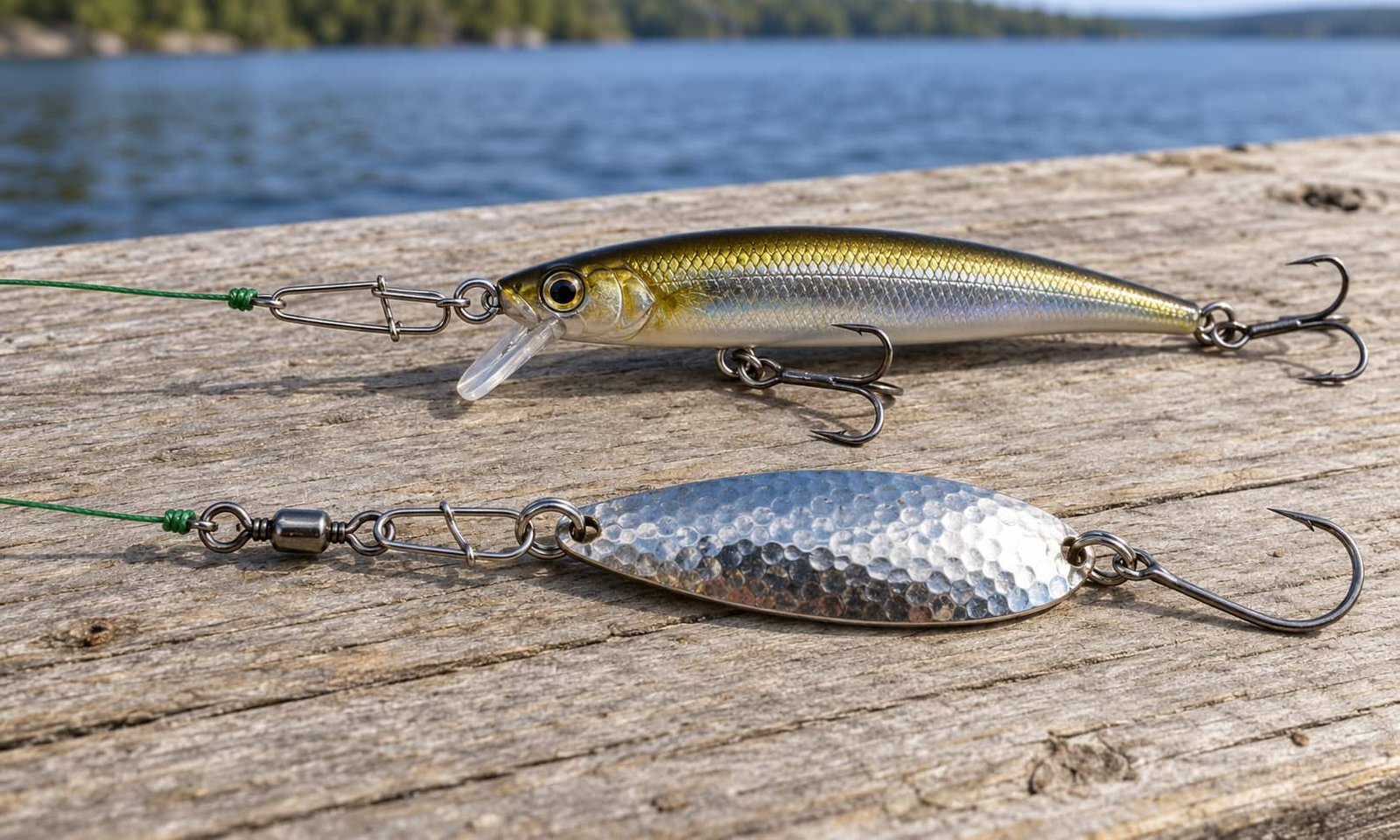
Compare snap vs snap swivel for lures and tying direct. See seven connection layouts, including the line-tie point on a lipless crankbait.
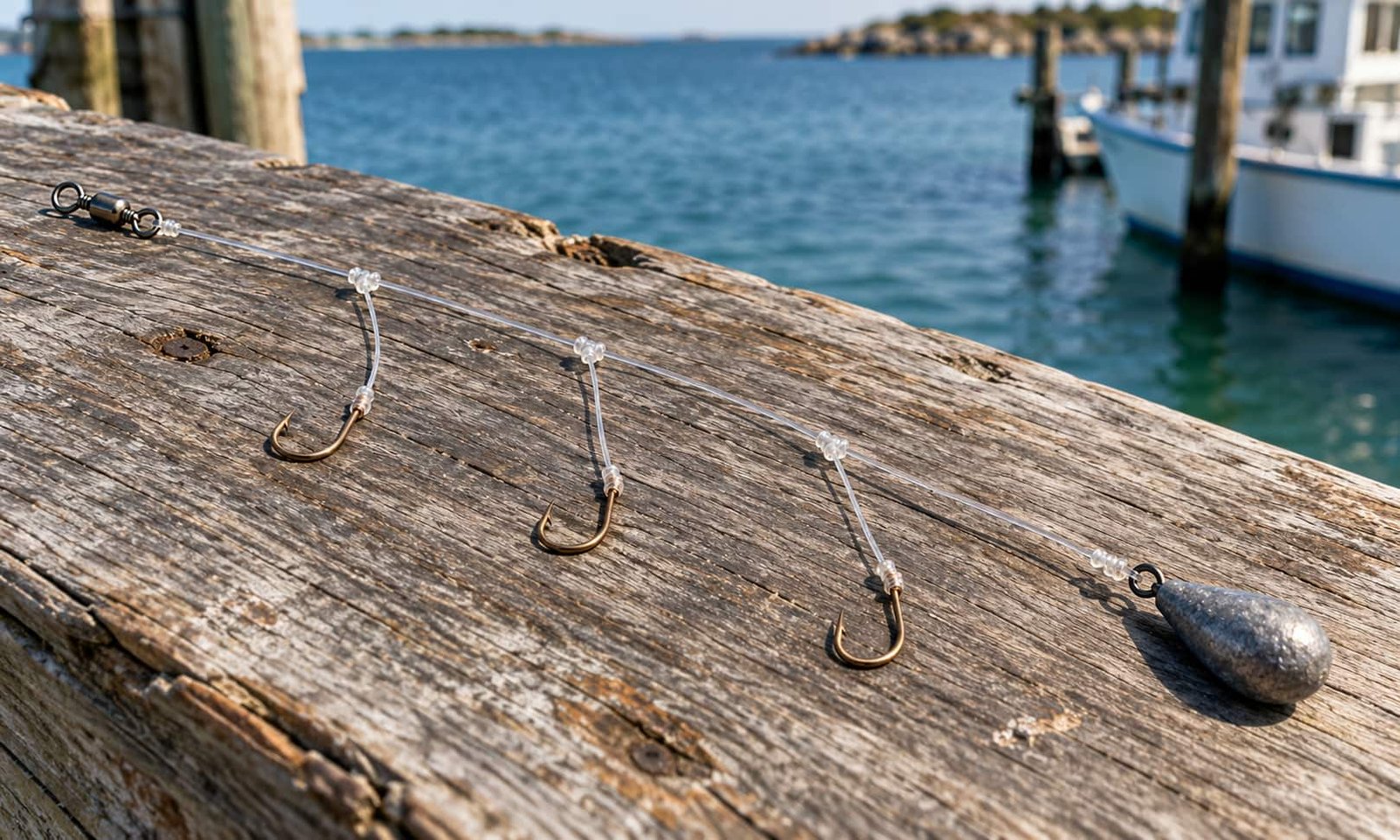
Take a closer look at 6 saltwater fishing rigs, from shore setups to boat rigs, with diagrams that show how the lines, hooks, and sinkers connect.
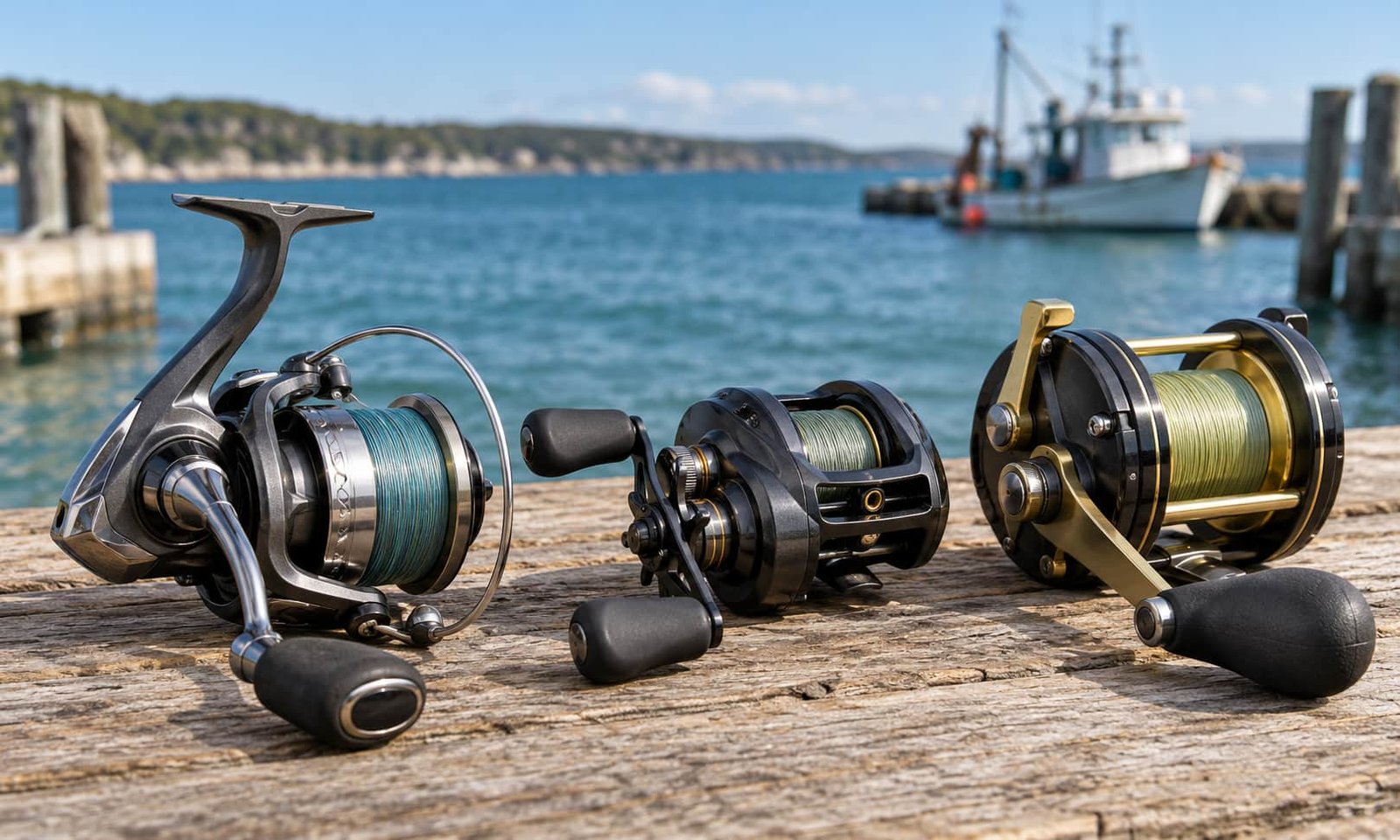
Learn how to choose a saltwater fishing reel for shore or boat fishing by comparing reel type, drag performance, and line capacity before you buy.
Build a bass fishing setup for beginners with a rod, braided line, and a leader that work together. Learn knots and casting before your first trip.
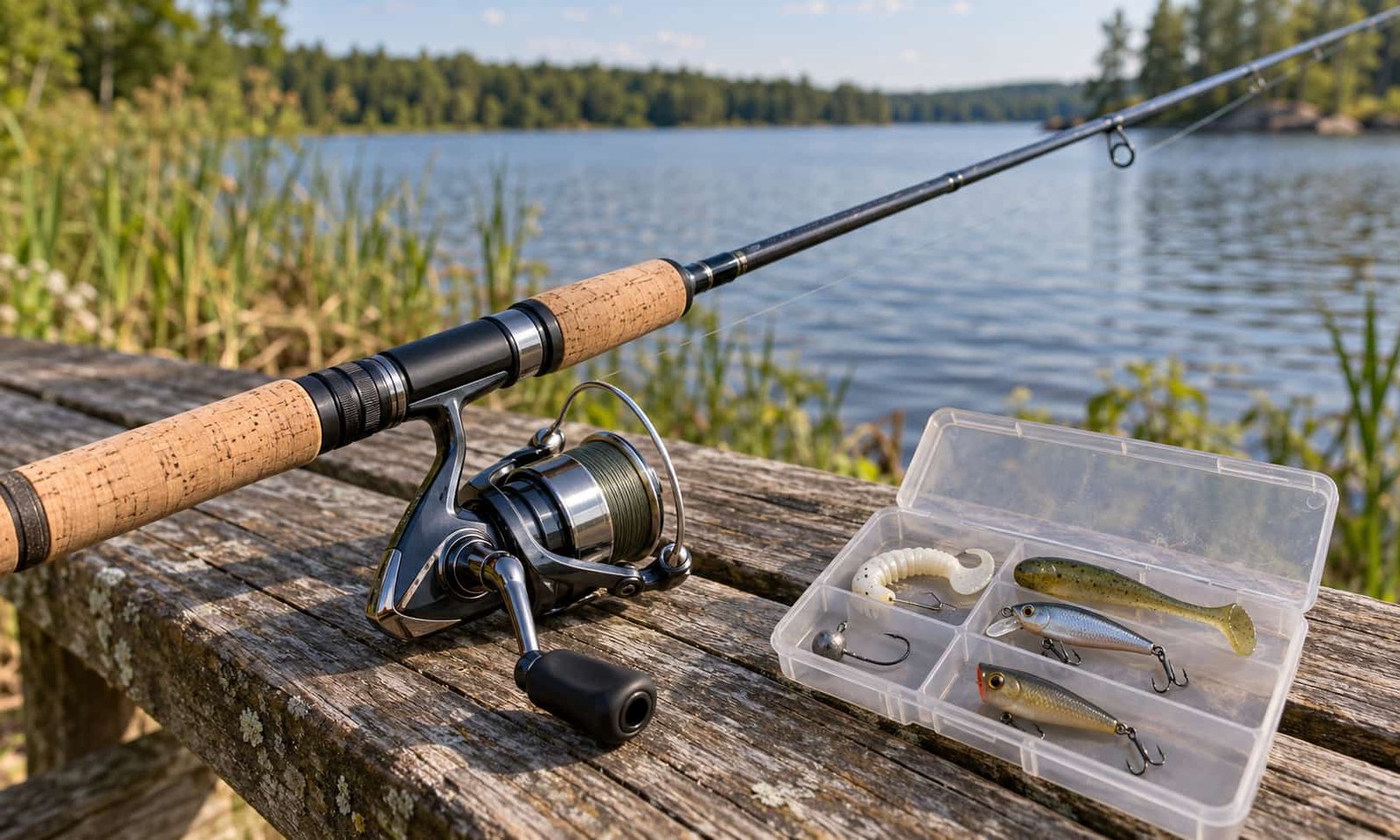
Learn how to choose a lure fishing rod by length, power, action, and lure weight. Find a practical starting setup before buying your first rod.
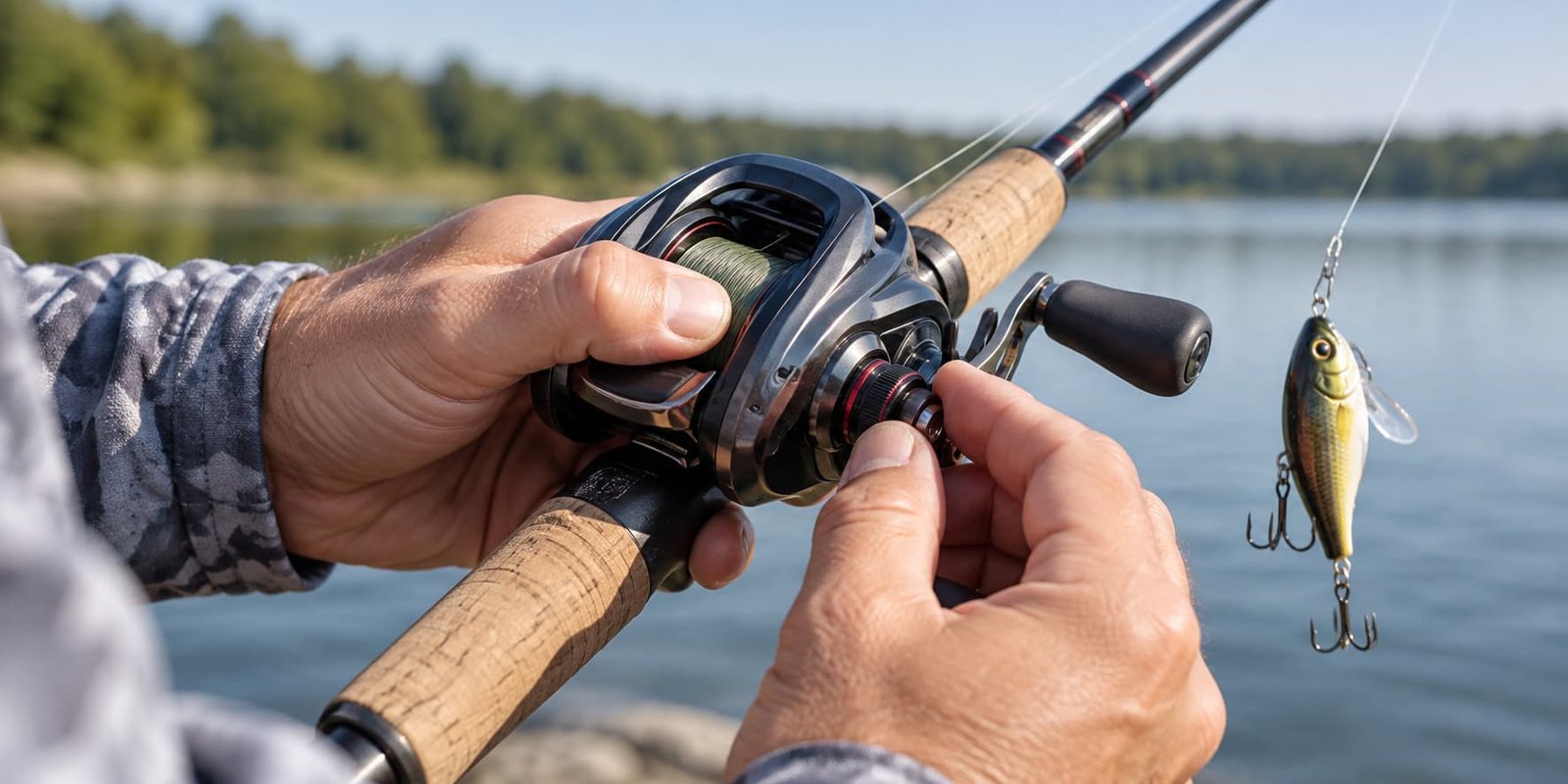
Learn how to adjust baitcaster brakes for better spool control, smoother casts, and fewer backlashes before you start pushing for more distance.
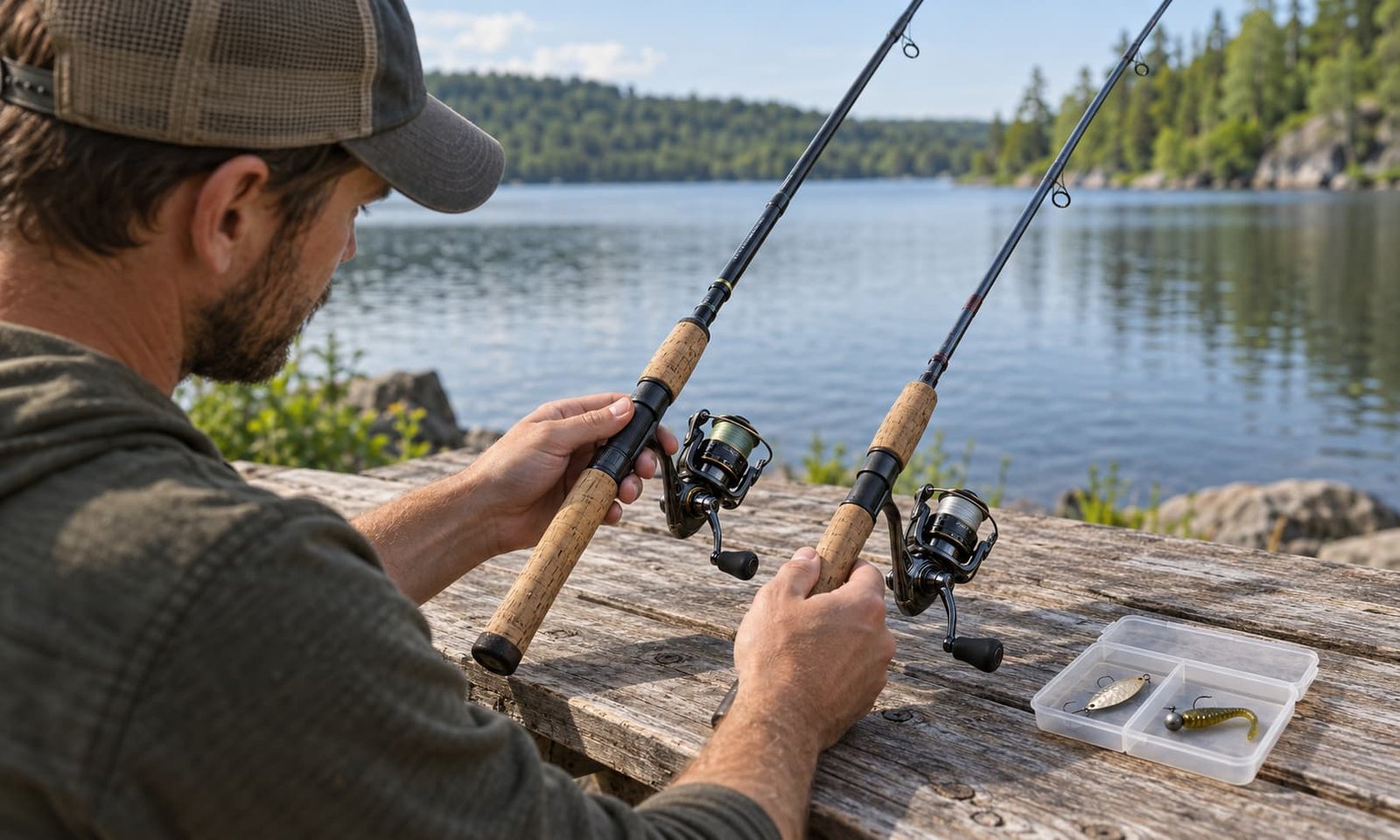
Not sure which rod to buy? Explore lure fishing gear for beginners, from rod length and power to reels, line, lures, and accessories.