How to Find Fish When Lure Fishing in Unfamiliar Water
- Category
- Fishing Techniques
- Date
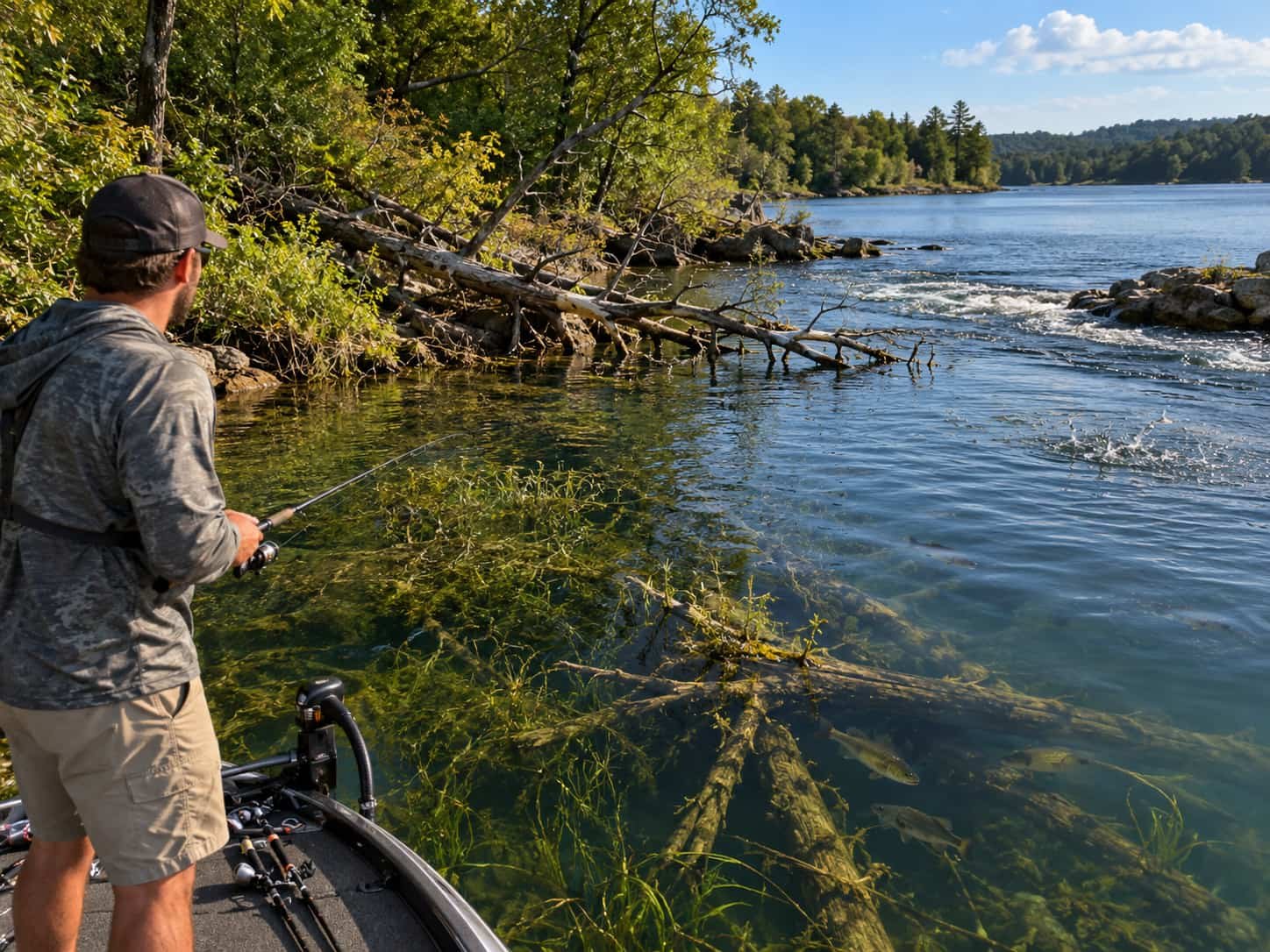
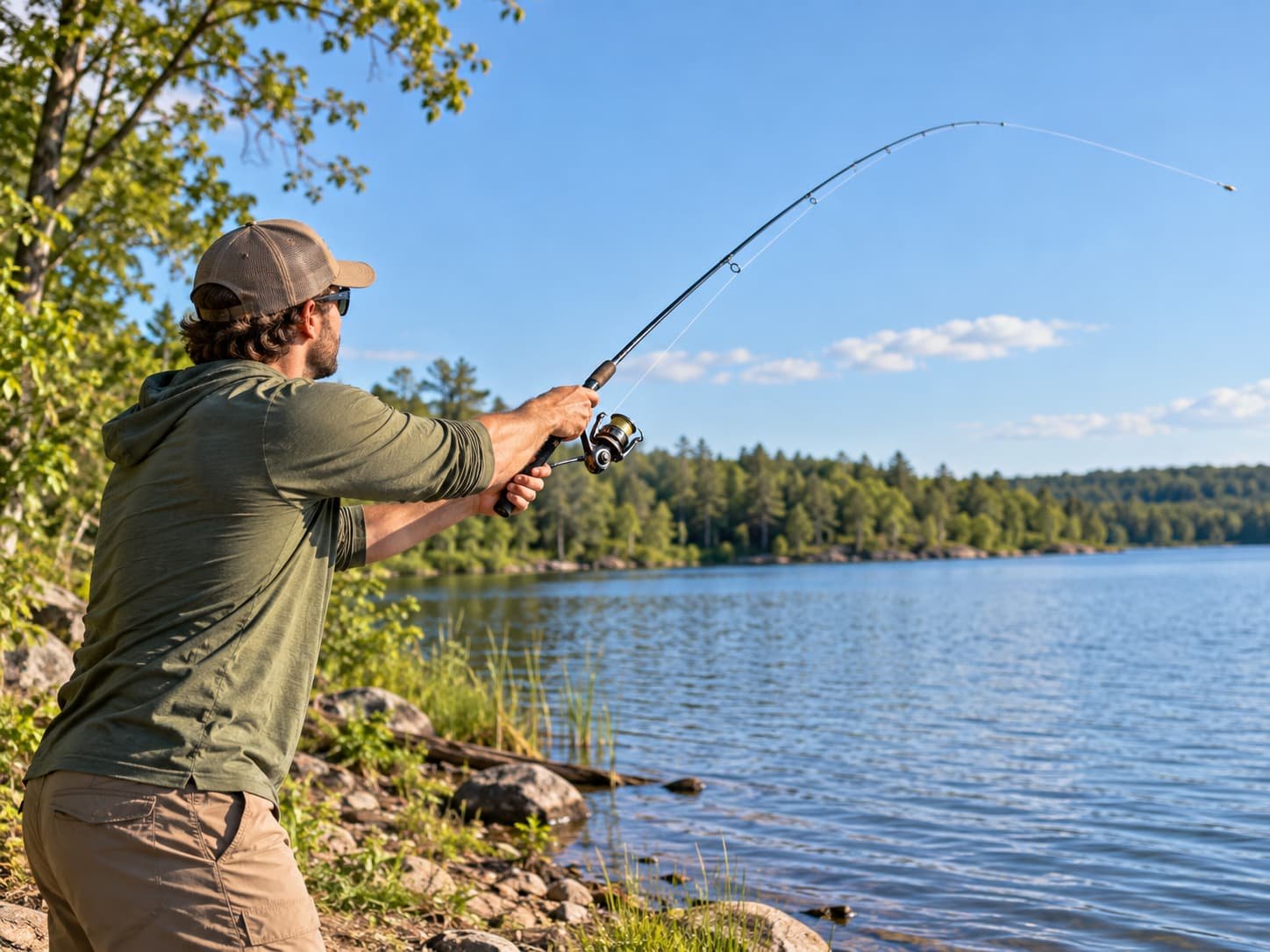
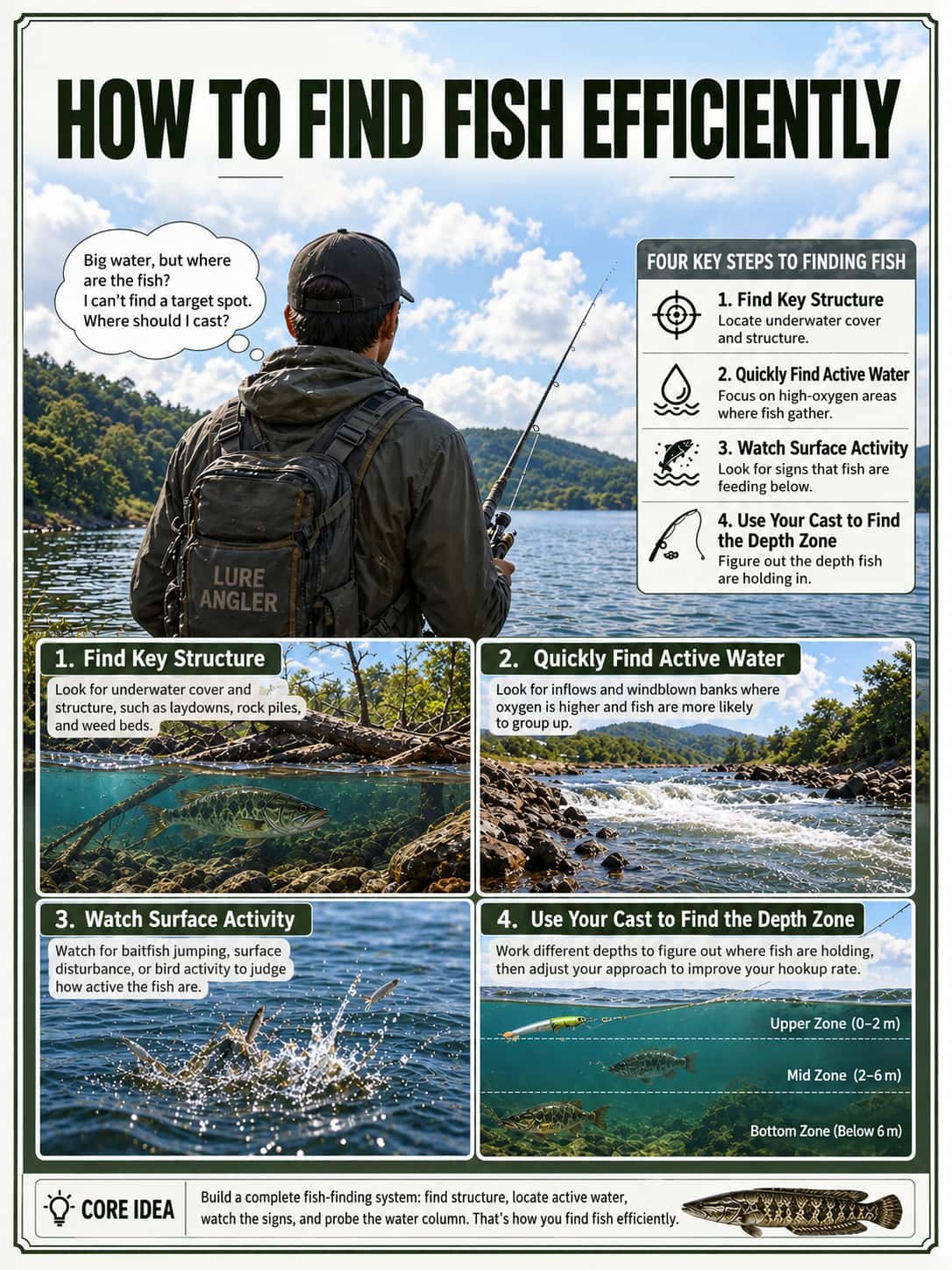
Knowing how to find fish when lure fishing matters more than making endless casts into empty water. Before you think about lure choice, look for places fish have a reason to use: structure, cover, moving water, baitfish, and the right depth.
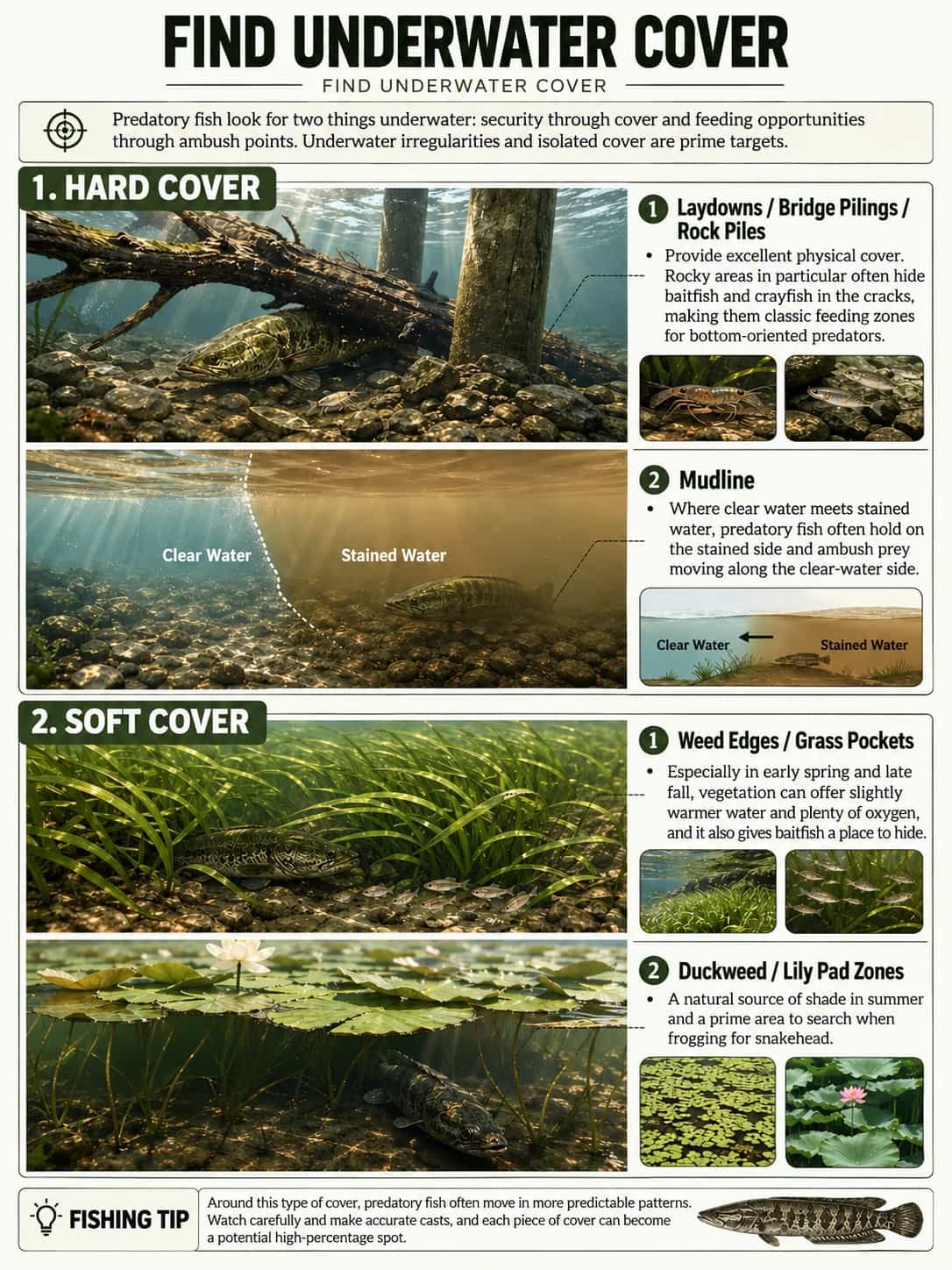
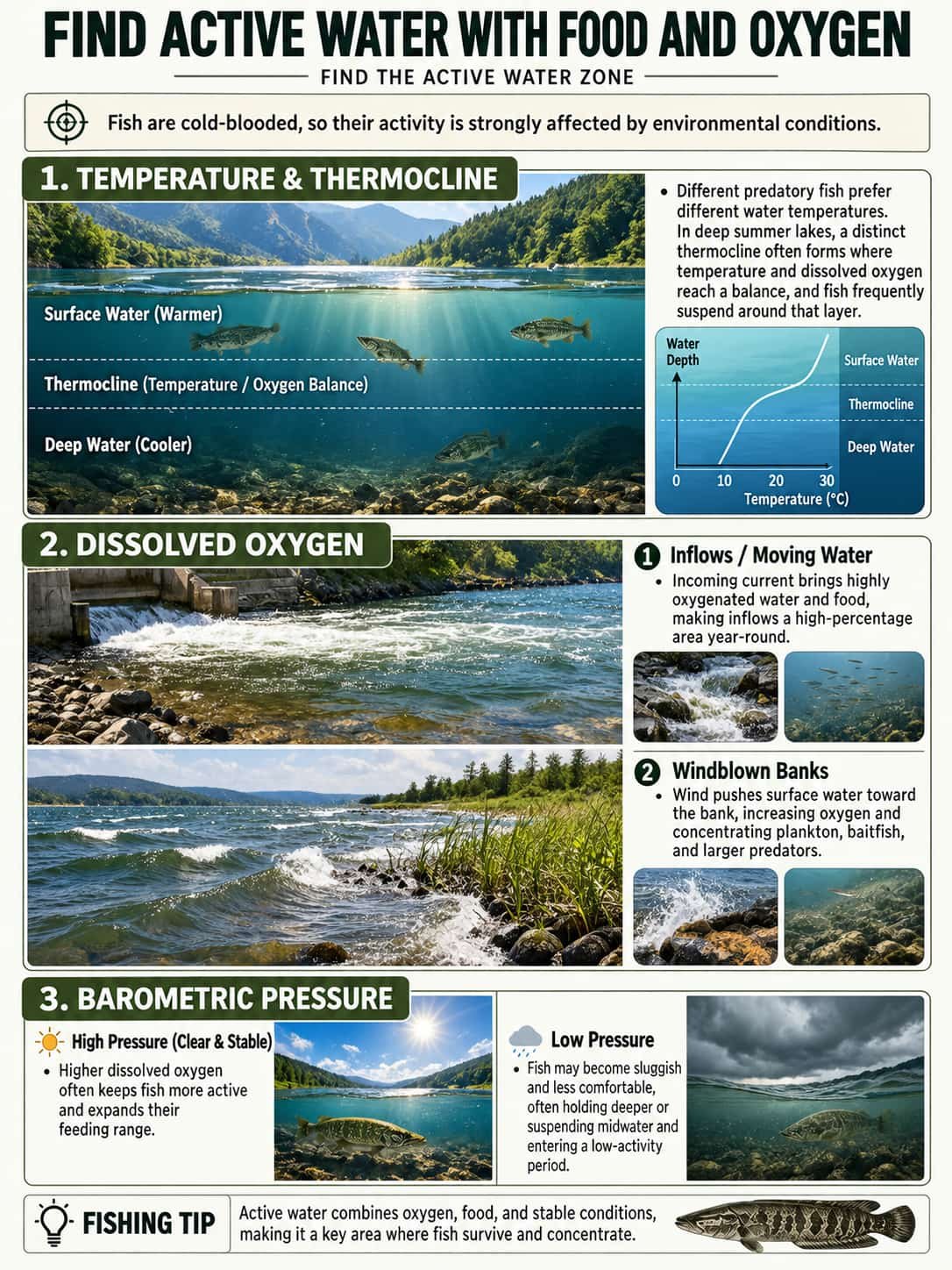
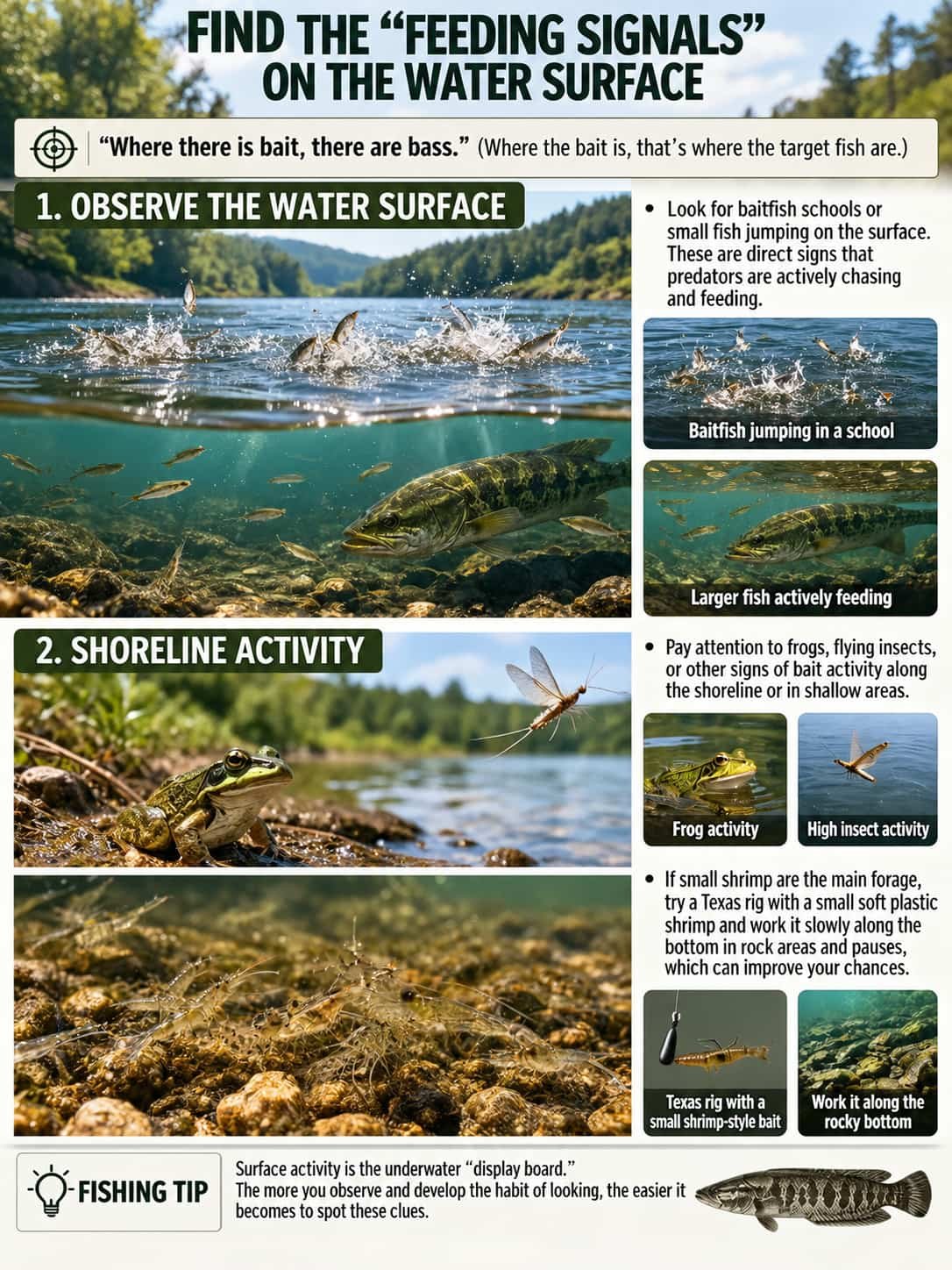
A laydown, weed edge, inflow, windblown bank, or school of nervous bait can tell you more than another random cast ever will. Once you learn to read those clues, you can cover water with purpose, then slow down when you find an area that is actually holding fish.
The guide below walks through a practical fish-finding process you can use before your next cast.
| no. | Topic | What to Look For | How to Apply It When Lure Fishing |
|---|---|---|---|
| 1 | Find Fish Efficiently | Look for structure, cover, active water, surface activity, and the water column | Don’t cast randomly. Use a process: find structure → locate active water → watch for surface signs → determine the depth fish are using |
| 2 | Find Underwater Structure & Cover | Laydowns, bridge pilings, rock piles, mudlines, weed edges, grass pockets, duckweed, and lily pads | Prioritize areas that provide shelter, ambush points, and concentrated forage. Cast tight to cover, rock gaps, laydowns, and vegetation edges |
| 3 | Find Active Water | Thermoclines, inflows, moving water, windblown banks, and areas with better oxygen and forage | Identify the most productive depth based on water temperature and dissolved oxygen. Focus on inflows and windblown banks where baitfish often concentrate |
| 4 | Read Feeding Signals | Baitfish breaking the surface, predators chasing bait, frog or insect activity, and shrimp or other forage in shallow water | Watch the surface and shoreline before you cast. Areas with active forage often indicate nearby feeding predators |
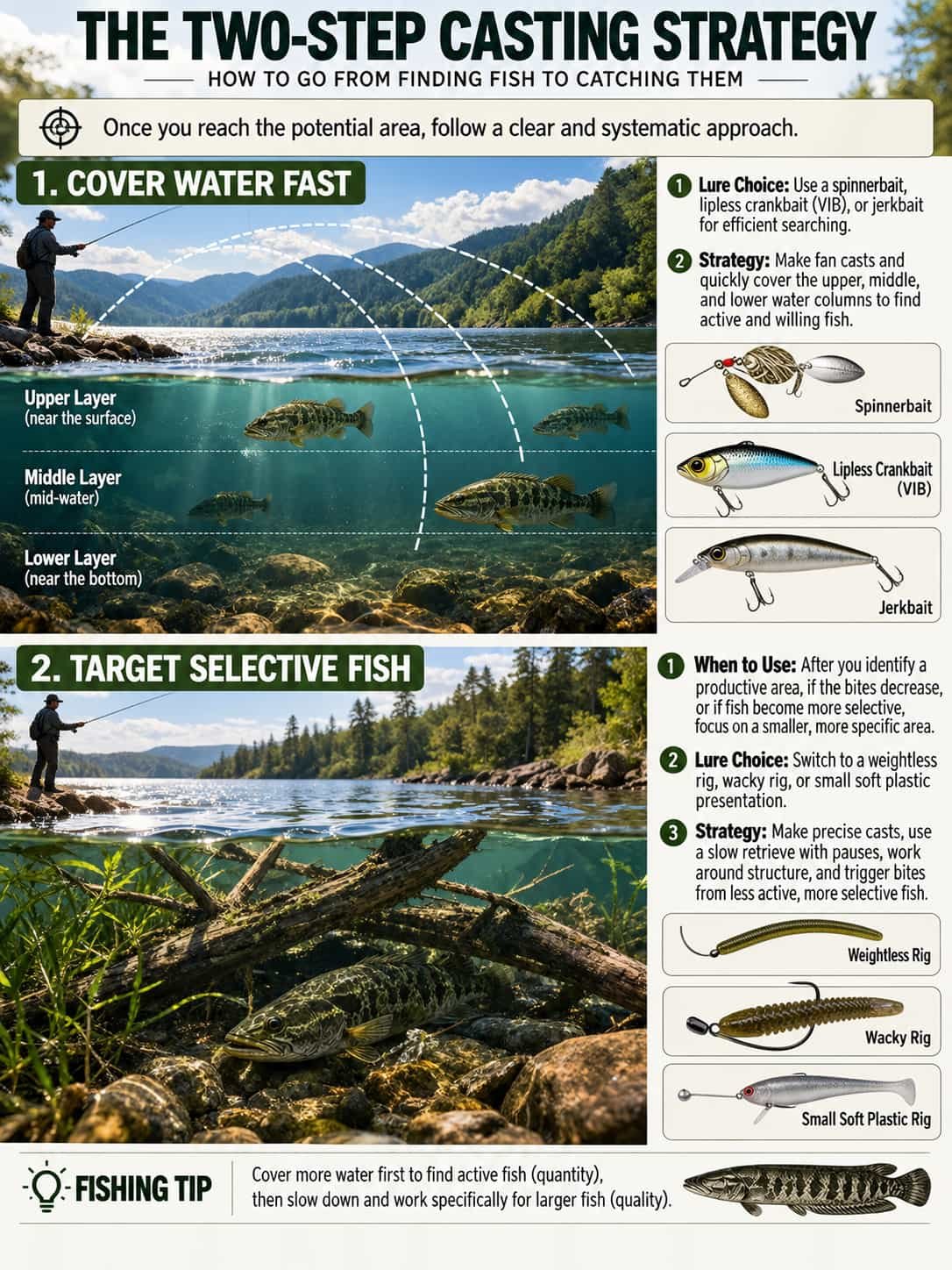
| 5 | Use a Two-Step Casting Strategy | Break the water down into the upper, middle, and lower water column, then narrow your focus to productive areas | Step 1: use spinnerbaits, lipless crankbaits, or jerkbaits to cover water. Step 2: switch to a weightless rig, wacky rig, or soft plastic presentation and slow down around structure |
More to Explore
Related Articles
More guides in Fishing Techniques
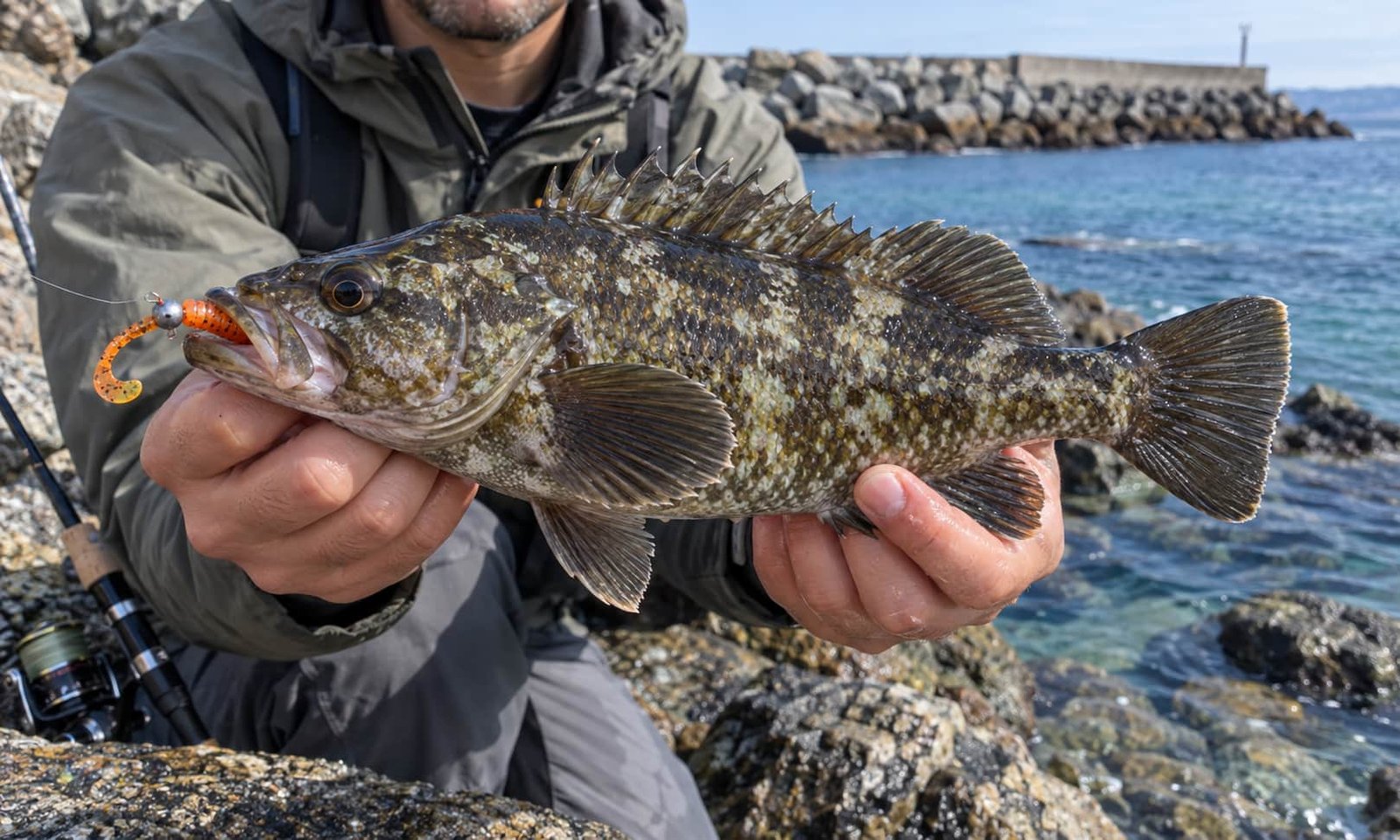
Learn how to catch rockfish from shore by reading the structure first. Target crevices, rocky edges, and the base of breakwaters, then keep your soft plastic close to the bottom where fish are likely to hold.
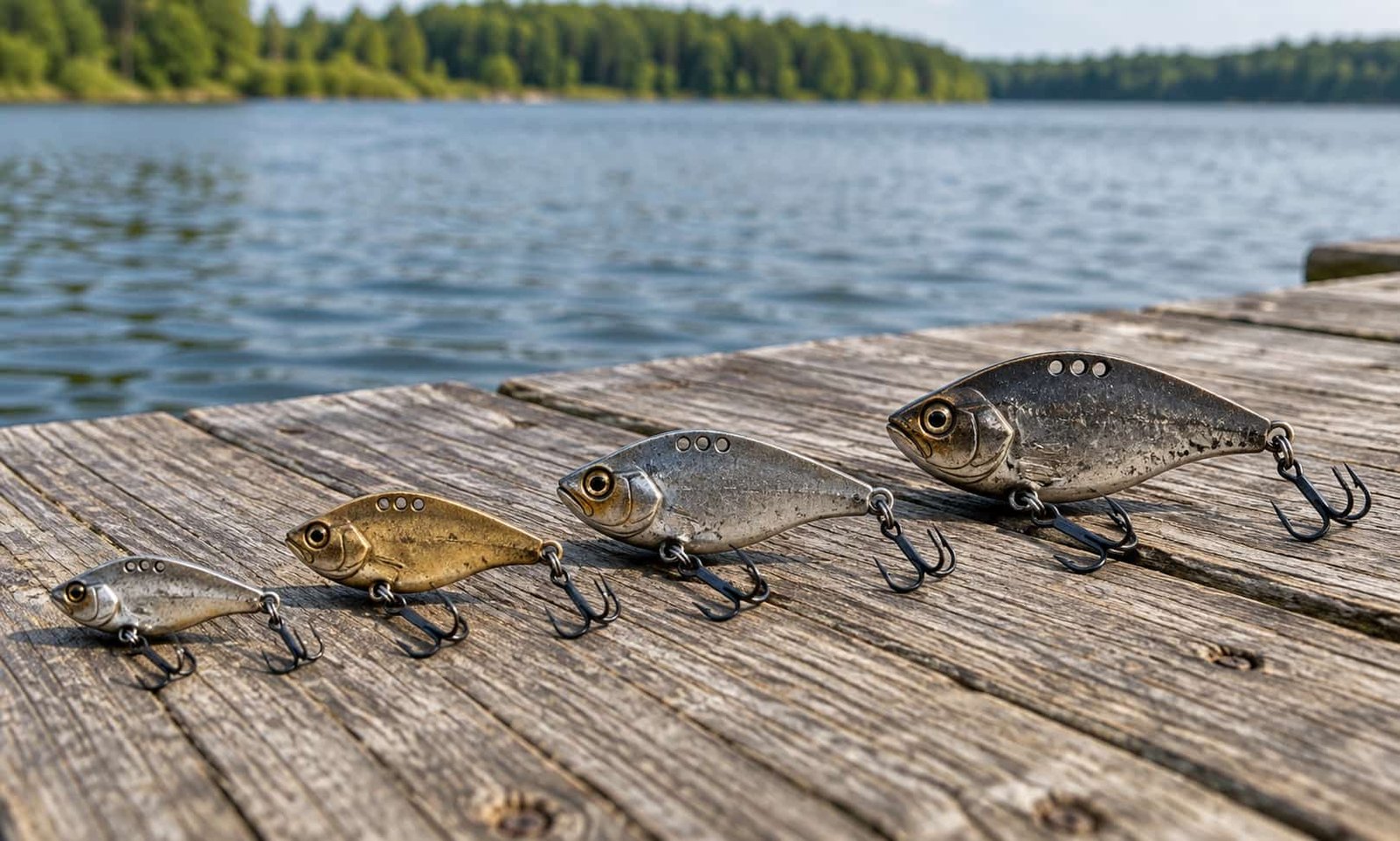
Learn how to choose a blade bait by weight, vibration, flash, and profile. See how a thin body affects the action and how to work the lure effectively.
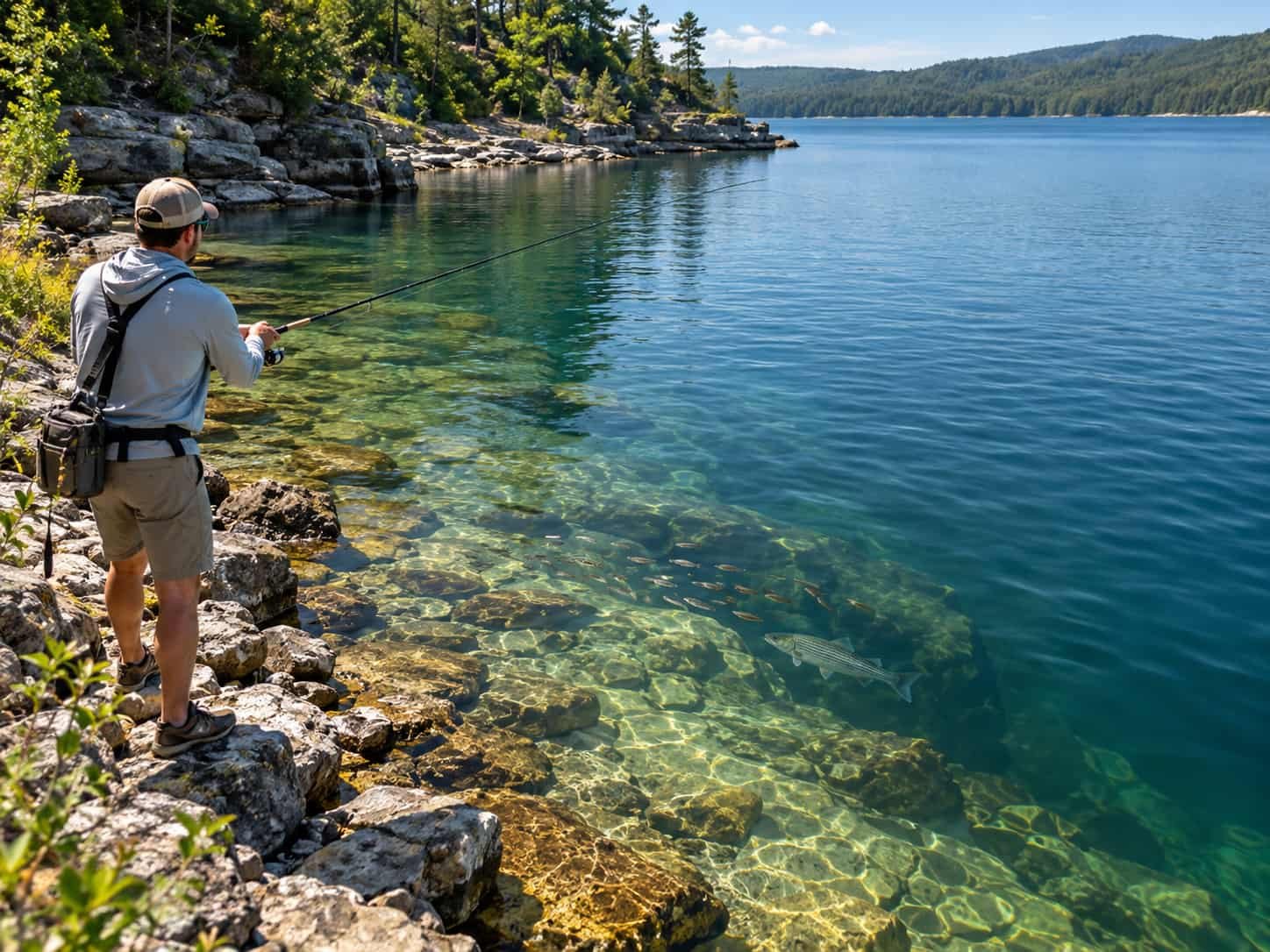
Learn how to find fish in new water with a metal jig, a slow bottom search, and a closer look at the shallow-to-deep break.
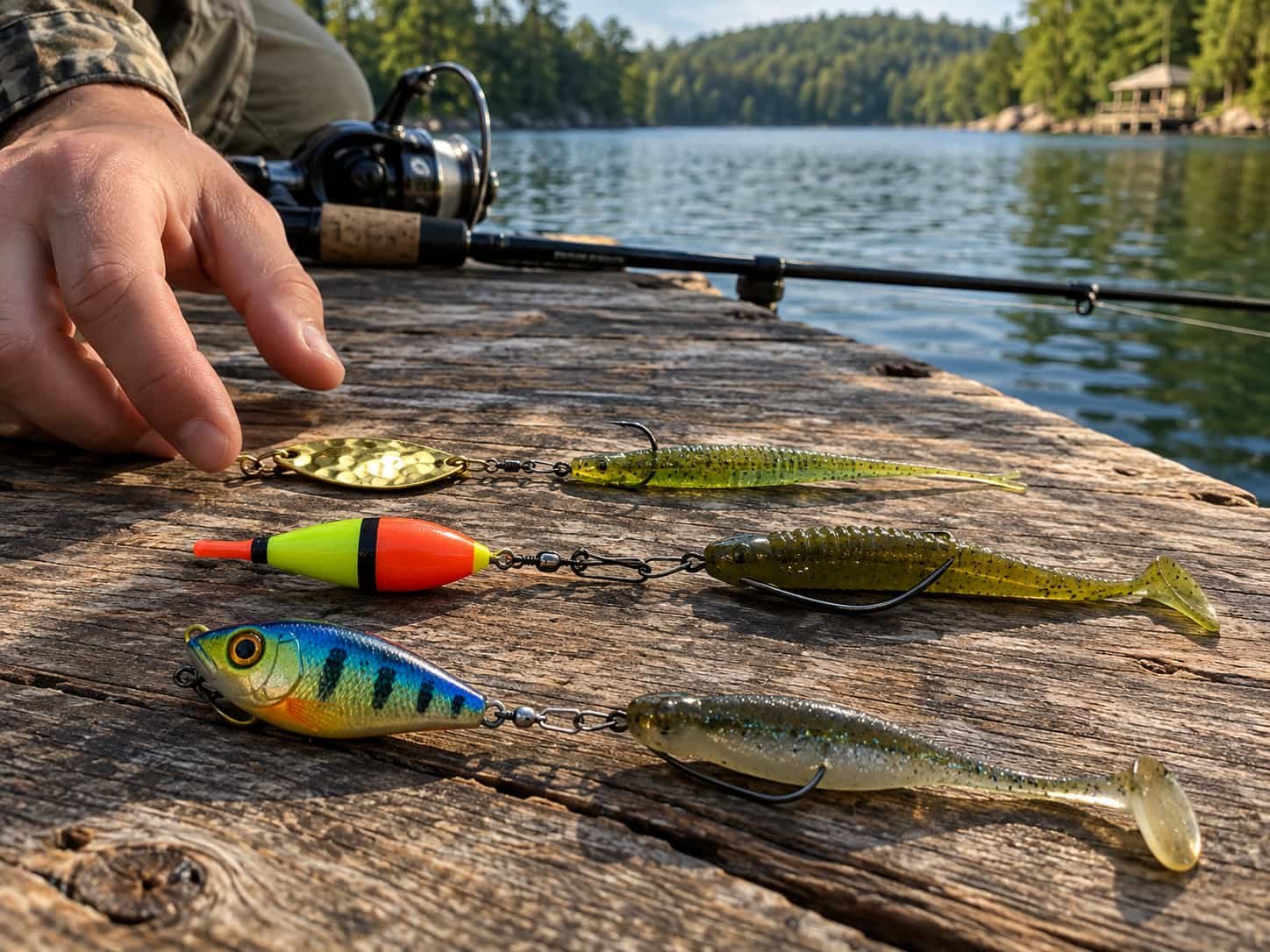
These weird fishing rigs combine hard baits and soft plastics in unexpected ways. See how each setup is built and whether one fits your next trip.
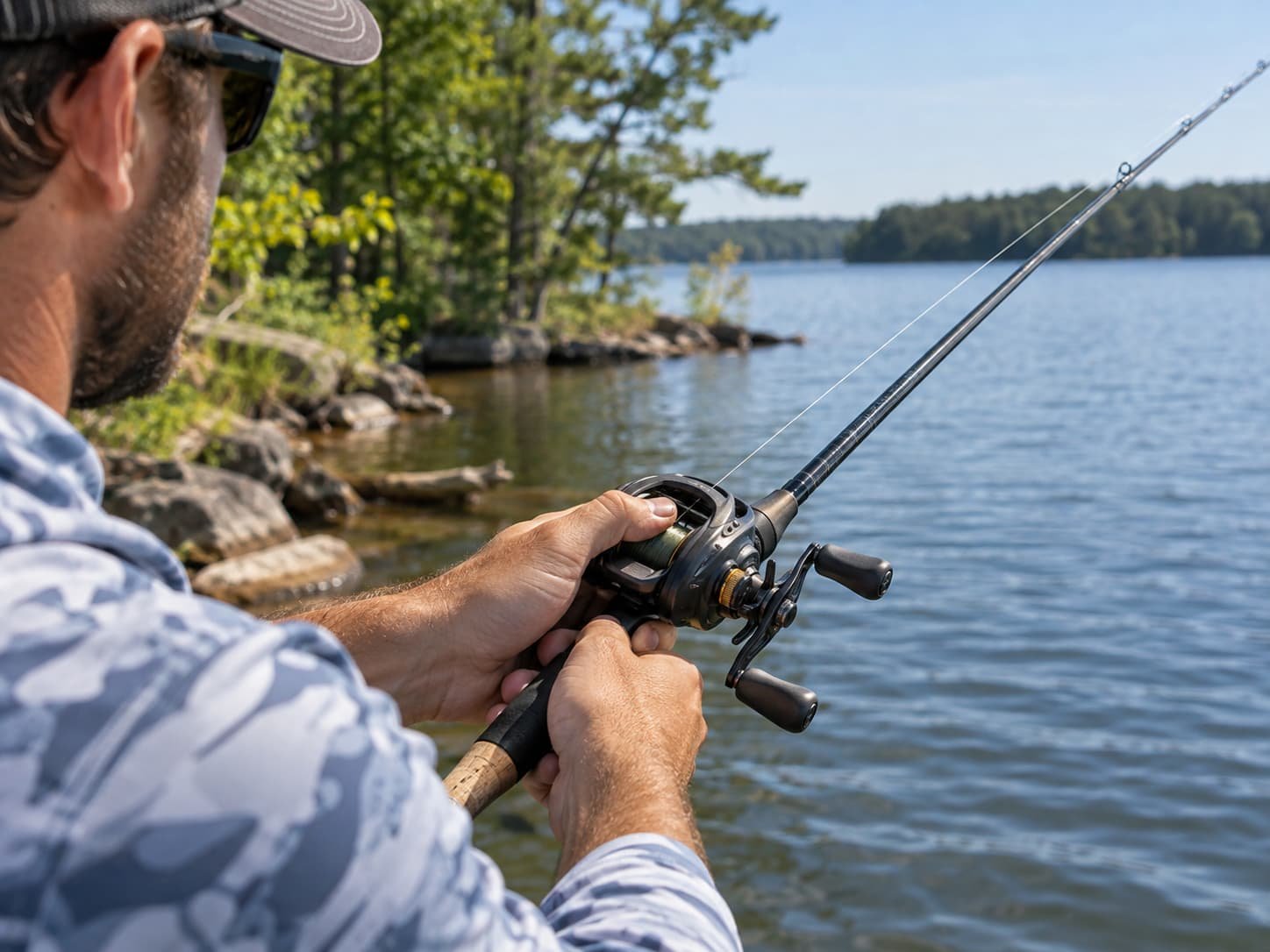
New to baitcasting? Learn how to prevent backlash on a baitcaster by setting the brakes, adjusting spool tension, and feathering the spool with your thumb.
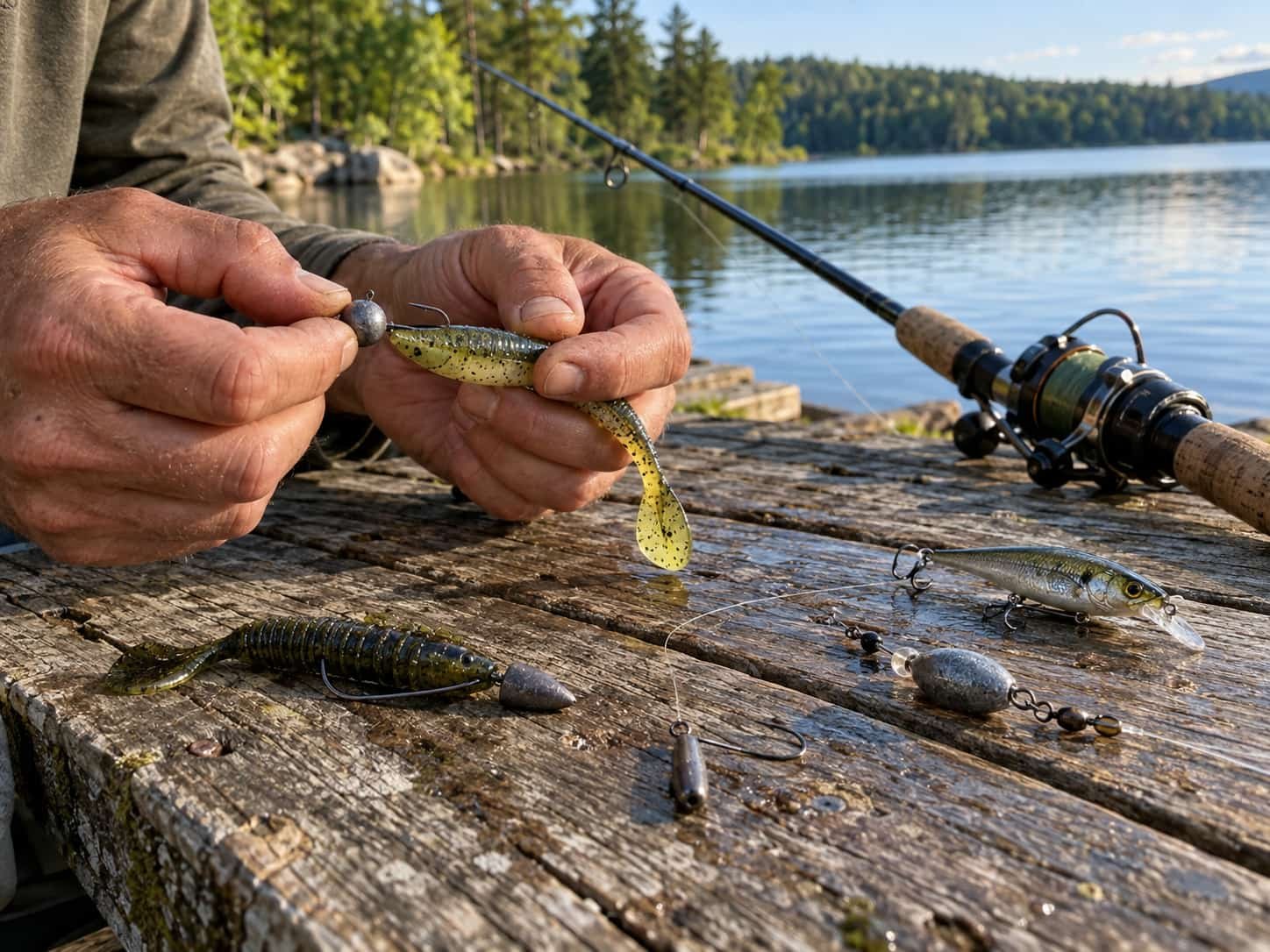
New bank, different cover? Learn lure fishing rigs for beginners and when to use a jighead, Texas rig, drop shot, Carolina rig, or minnow lure.
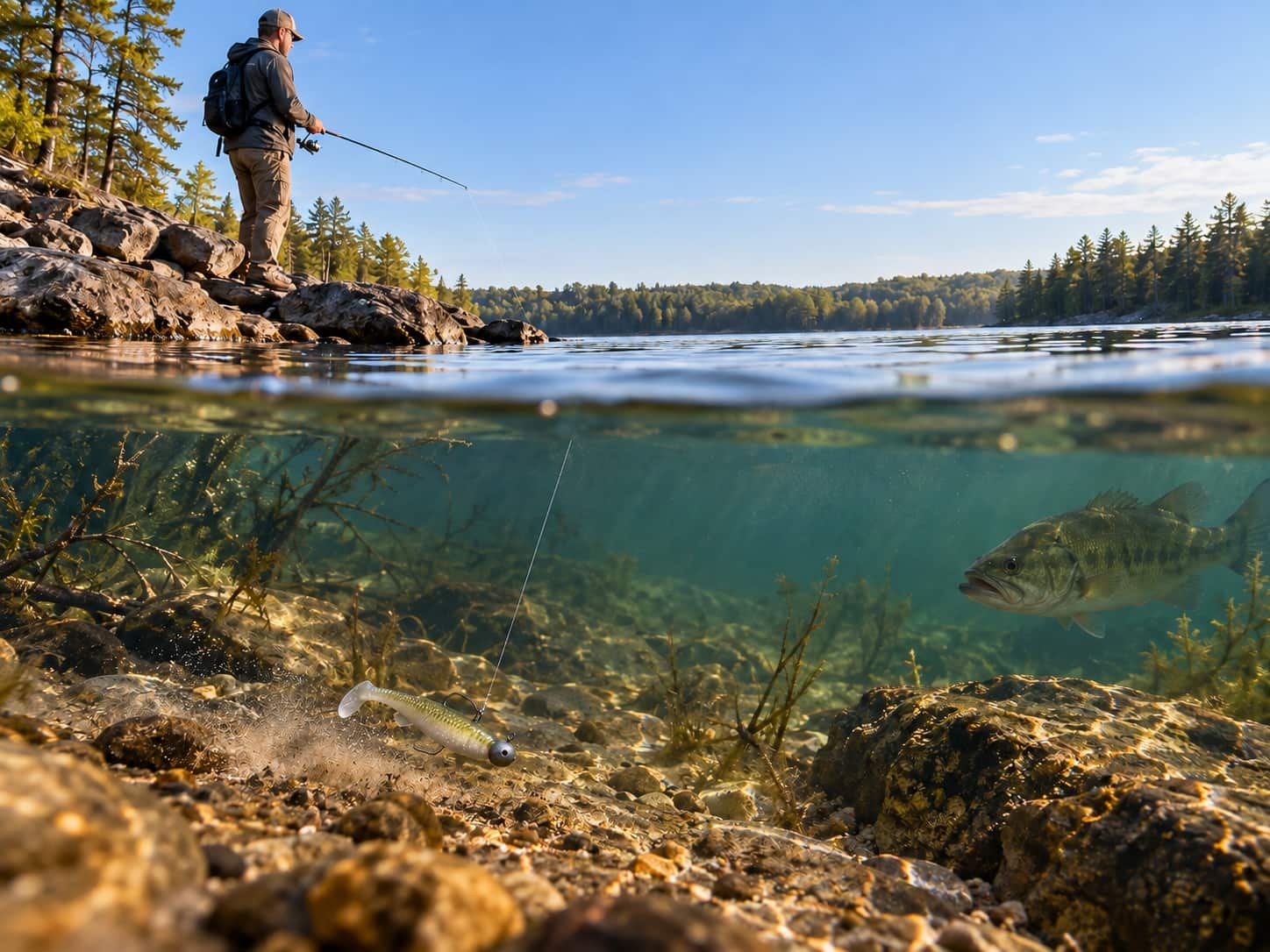
Learn how to retrieve fishing lures by reading fish behavior. From sharp jerks to slow drags, adjust your presentation and make every move count.
See how to cast a spinning reel from start to finish: hold the line, open the bail, swing forward, and use your finger to control where the lure lands.