How to Retrieve Fishing Lures with Four Different Moves

- Category
- Fishing Techniques
- Date
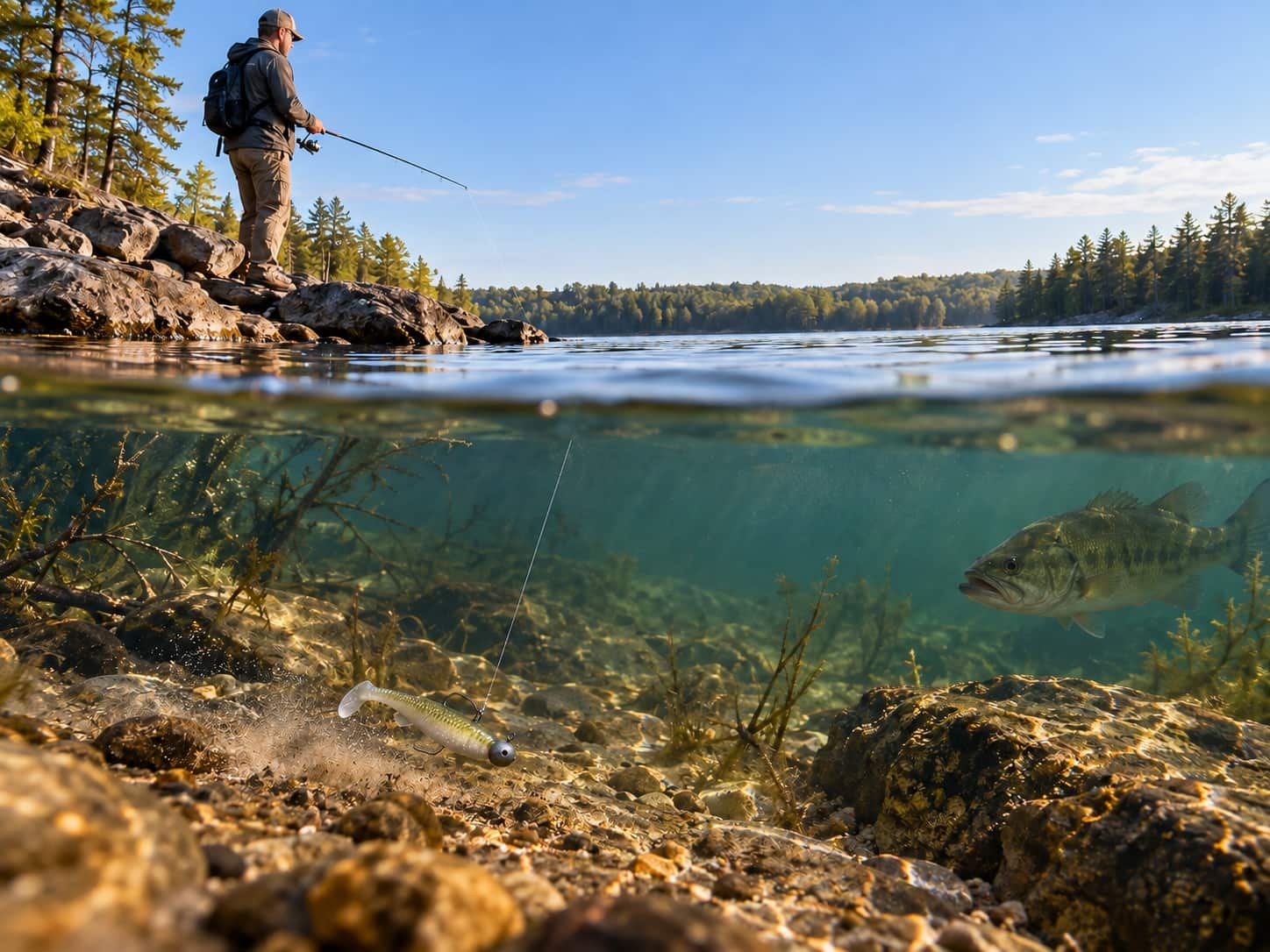
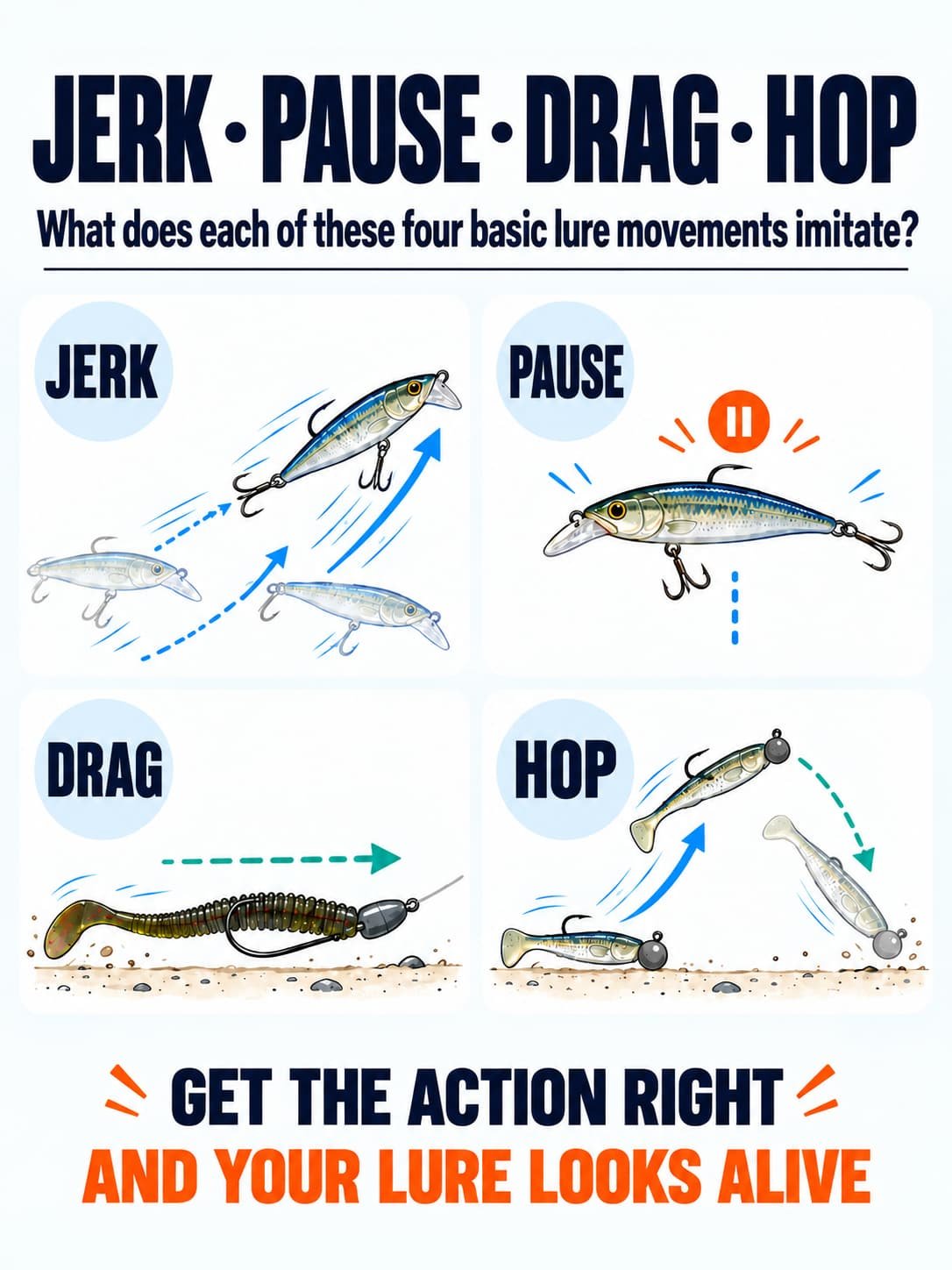
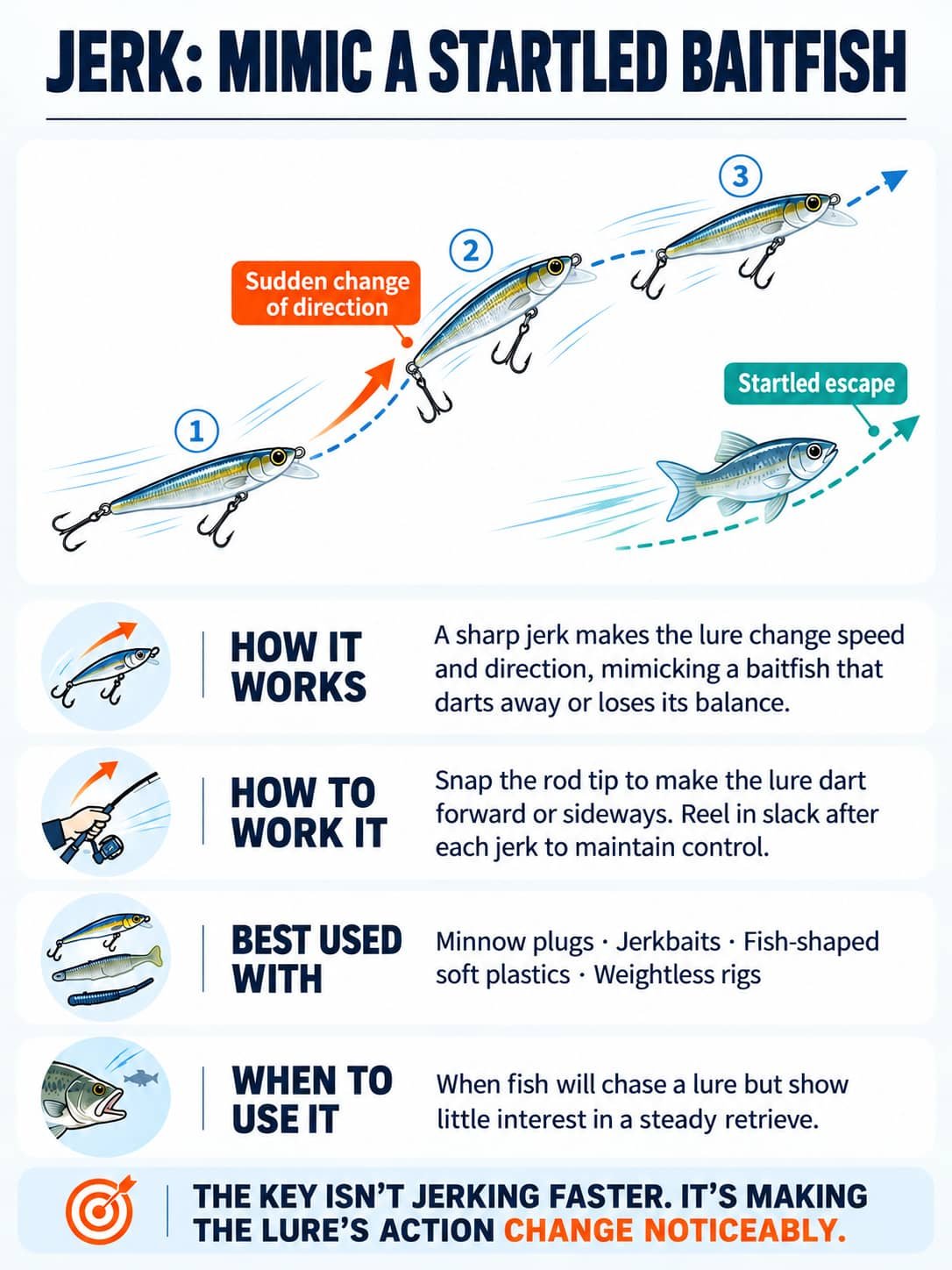
Learning how to retrieve fishing lures starts with paying attention to what the lure is doing and how fish react to it. A sharp jerk can make a minnow-style lure dart suddenly, while a pause gives a following fish time to close the distance and strike.
Near the bottom, a slow drag keeps the lure working close to the substrate, while a short hop lifts it briefly before letting it fall back into the strike zone.
There is no need to repeat the same cadence on every cast. Watch where the fish are holding, notice how they respond, and adjust your speed, pauses, and movement accordingly.
The guide below breaks down each retrieve and shows when to use it for a more natural, purposeful presentation.
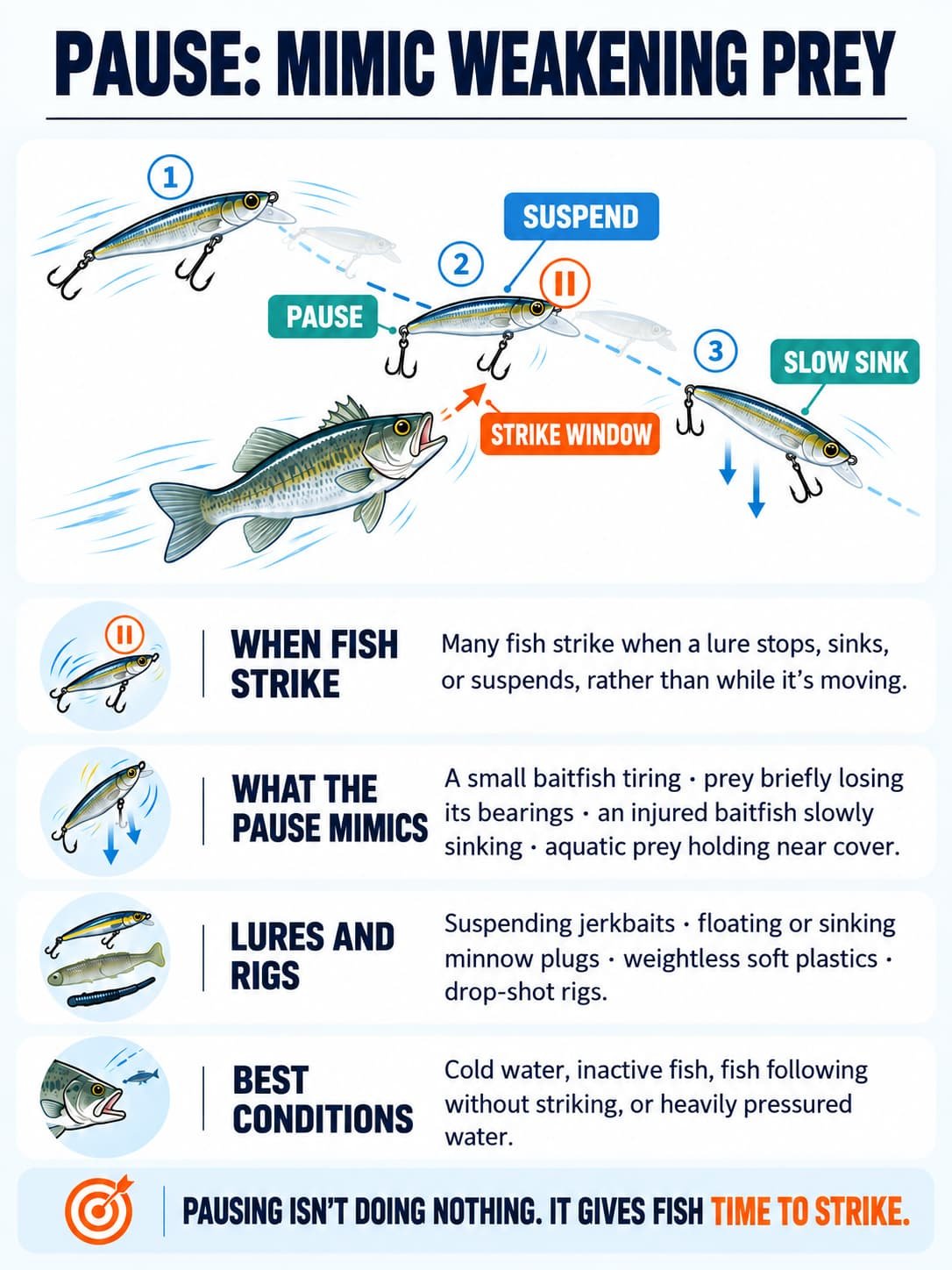
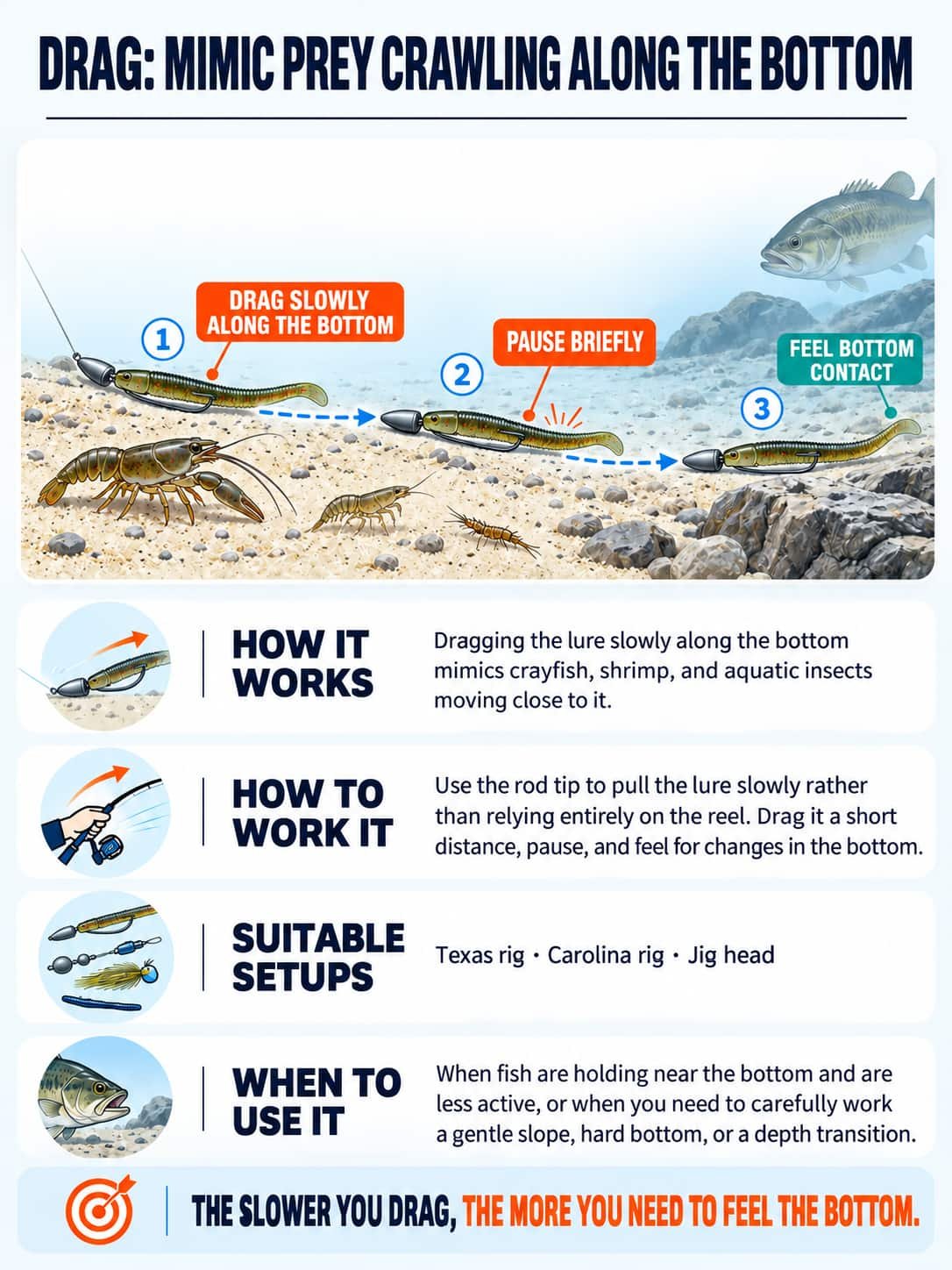
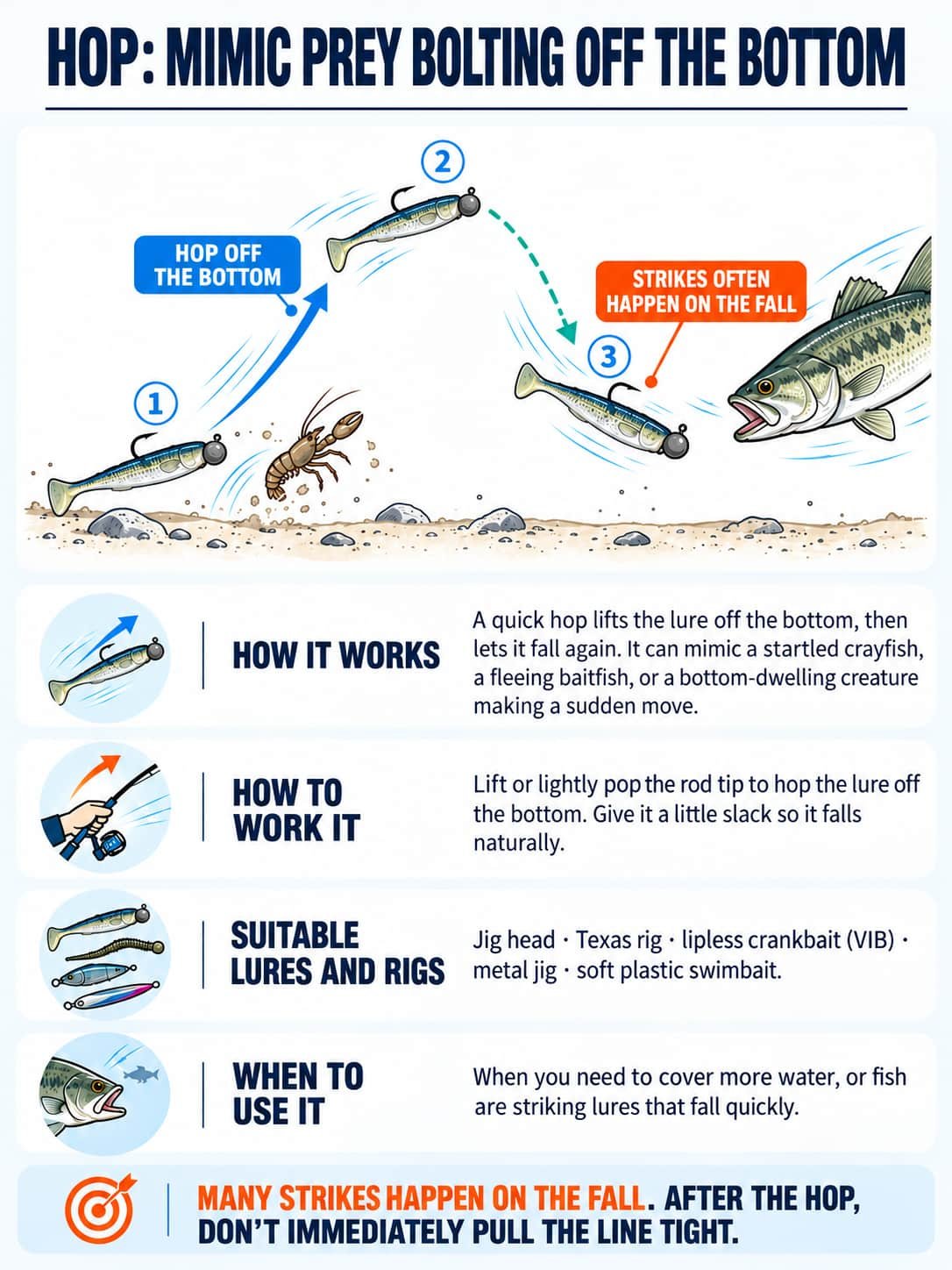
| Lure action | What it imitates | How to work the lure | Suitable lures and rigs | When to use it |
|---|---|---|---|---|
| Jerk | A startled baitfish suddenly changing speed or direction, or losing its balance. | Snap the rod tip to make the lure dart forward or sideways. Reel in the slack after each jerk to stay in control. | Minnow plugs, jerkbaits, fish-shaped soft plastics, weightless rigs. | Fish follow the lure but show little interest in a steady retrieve. |
| Pause | Weakening or disoriented prey, an injured baitfish sinking slowly, or aquatic prey holding near cover. | Stop the retrieve and let the lure pause, suspend, or sink slowly. Fish may strike while it is no longer moving forward. | Suspending jerkbaits, floating or sinking minnow plugs, weightless soft plastics, drop shot rigs. | Cold water, inactive fish, follows without strikes, or heavily pressured water. |
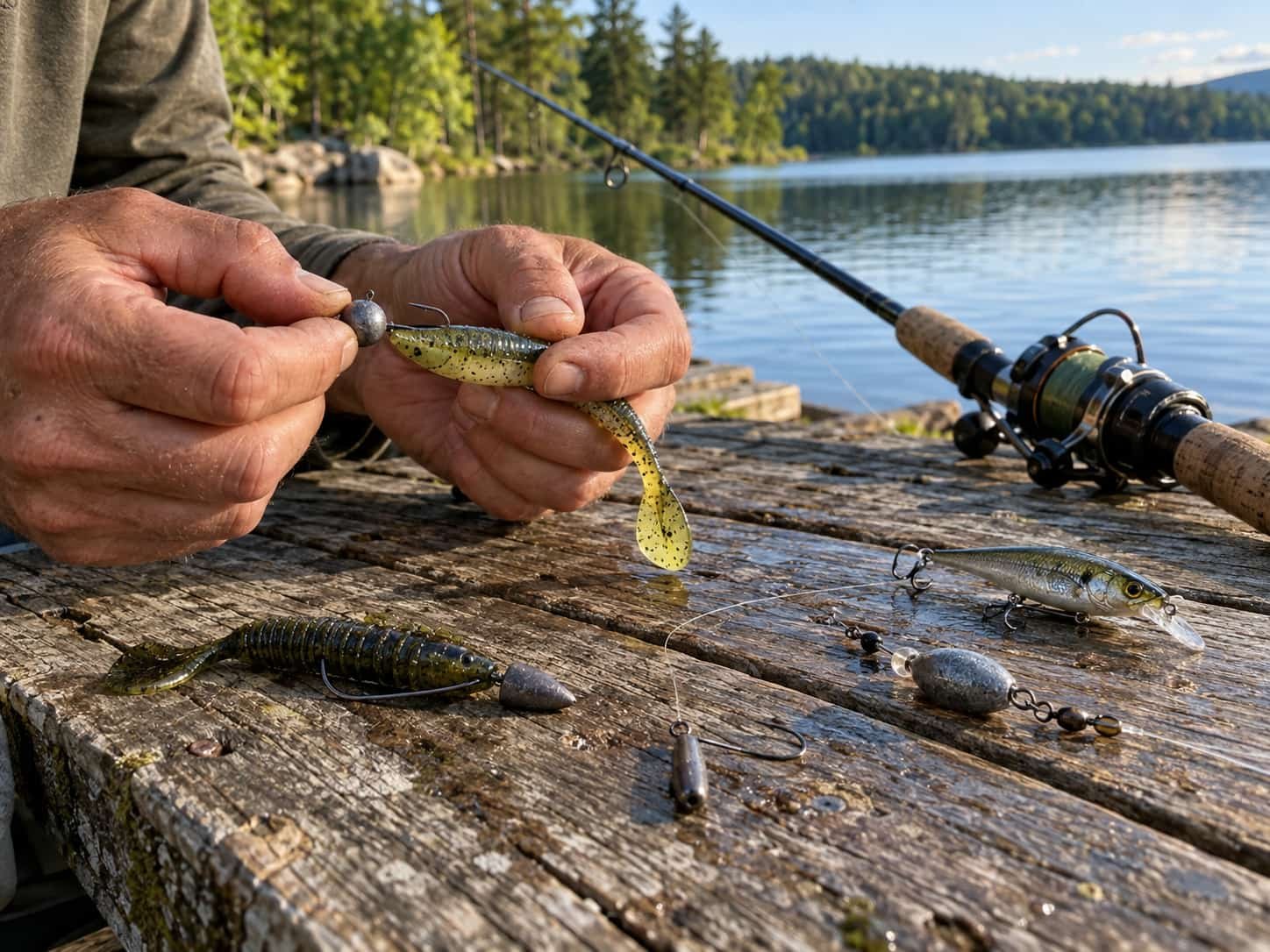
| Drag | Crayfish, shrimp, and aquatic insects moving slowly along the bottom. | Pull the lure along the bottom with the rod tip rather than relying entirely on the reel. Drag it a short distance, pause, and feel for changes in bottom contact. | Texas rigs, Carolina rigs, jig heads. | Fish are holding near the bottom and are less active, or you need to work a gentle slope, hard bottom, or depth transition carefully. |
| Hop | A startled crayfish springing up, a fleeing baitfish, or a bottom-dwelling creature making a sudden move. | Lift or lightly pop the rod tip to hop the lure off the bottom. Give it a little slack so it falls naturally. | Jig heads, Texas rigs, lipless crankbaits or vibration baits (VIBs), metal jigs, soft plastic swimbaits. | You need to cover more water, or fish are striking lures that fall quickly. |
More to Explore
Related Articles
More guides in Fishing Techniques
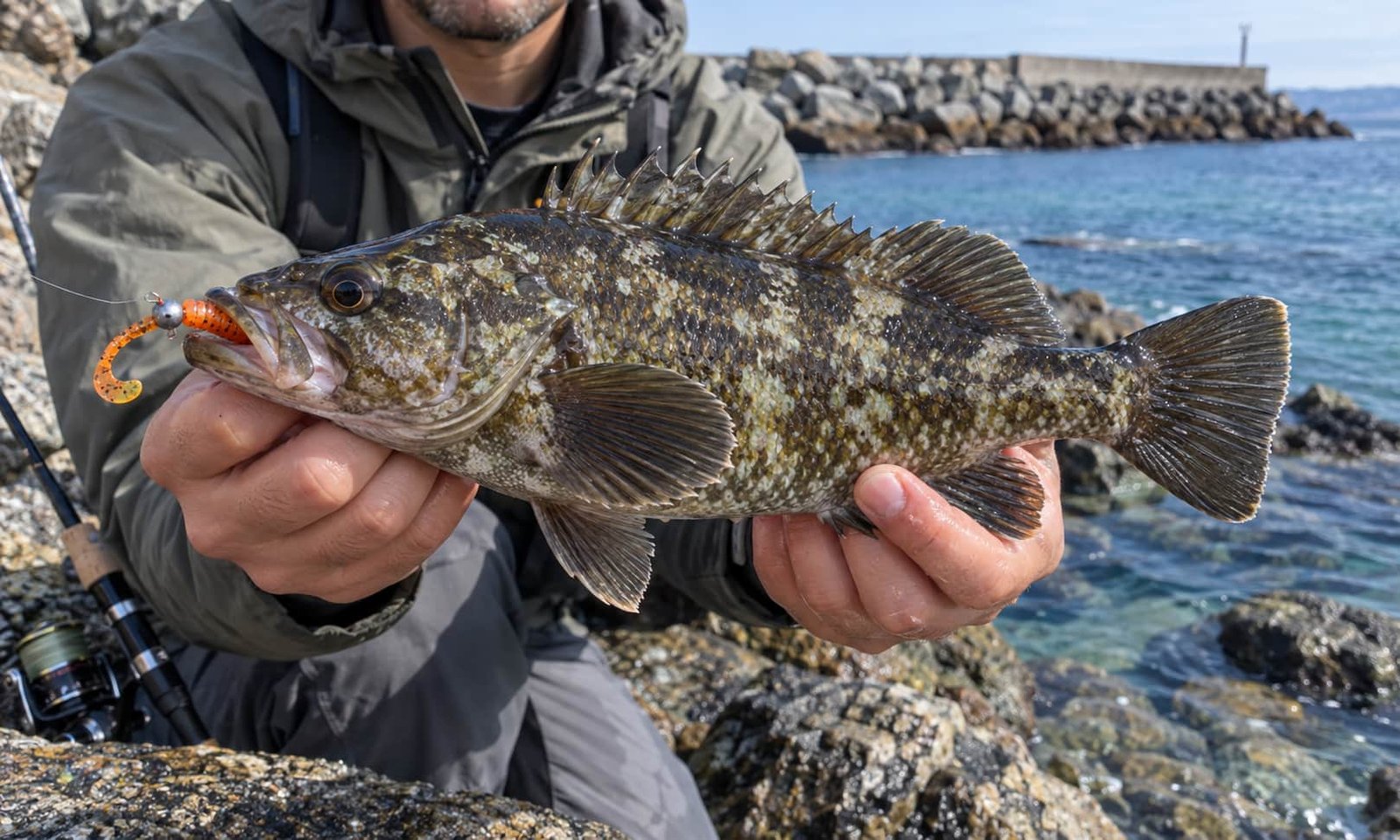
Learn how to catch rockfish from shore by reading the structure first. Target crevices, rocky edges, and the base of breakwaters, then keep your soft plastic close to the bottom where fish are likely to hold.
Learn how to choose a blade bait by weight, vibration, flash, and profile. See how a thin body affects the action and how to work the lure effectively.
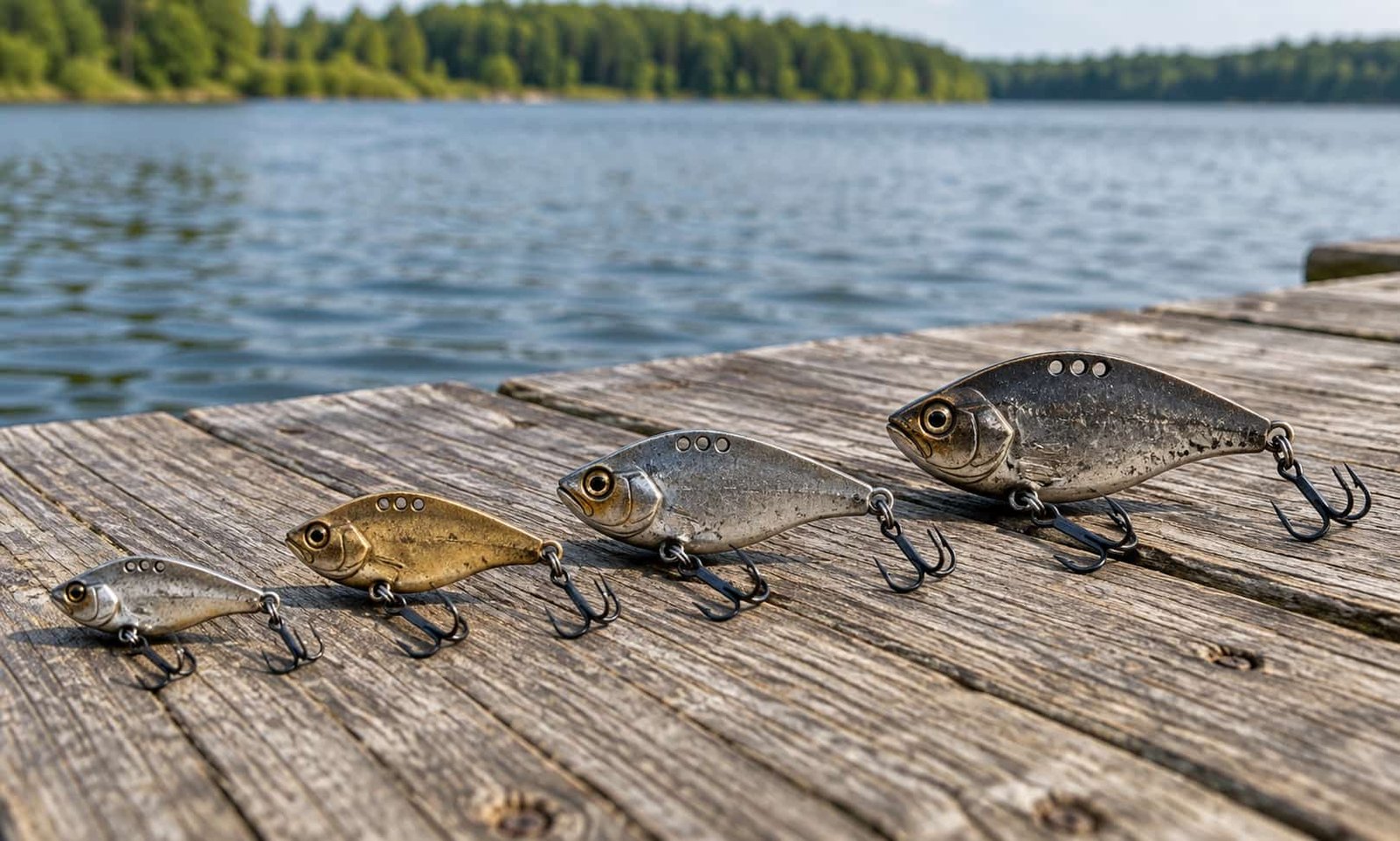
Learn how to find fish in new water with a metal jig, a slow bottom search, and a closer look at the shallow-to-deep break.
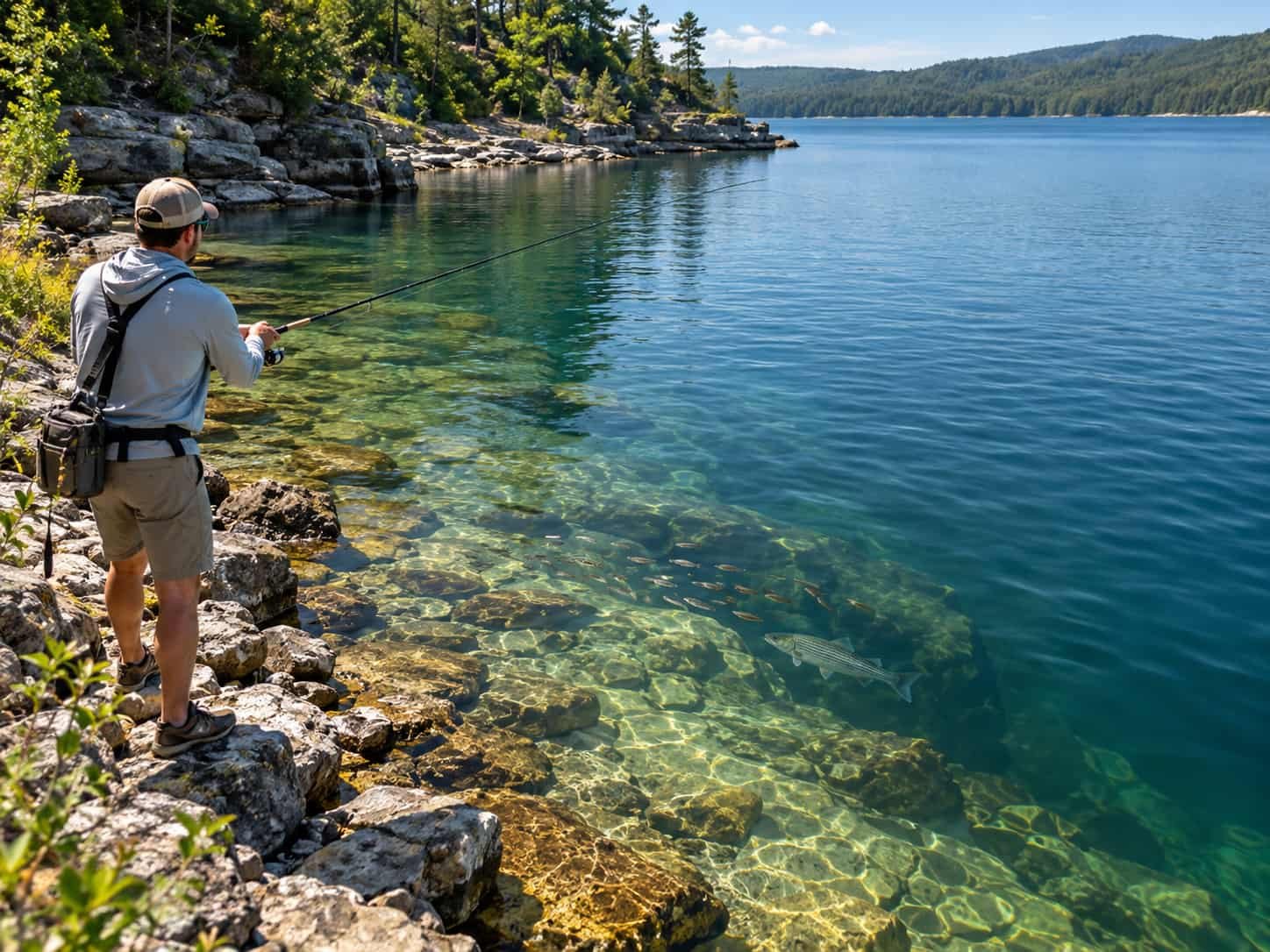
These weird fishing rigs combine hard baits and soft plastics in unexpected ways. See how each setup is built and whether one fits your next trip.
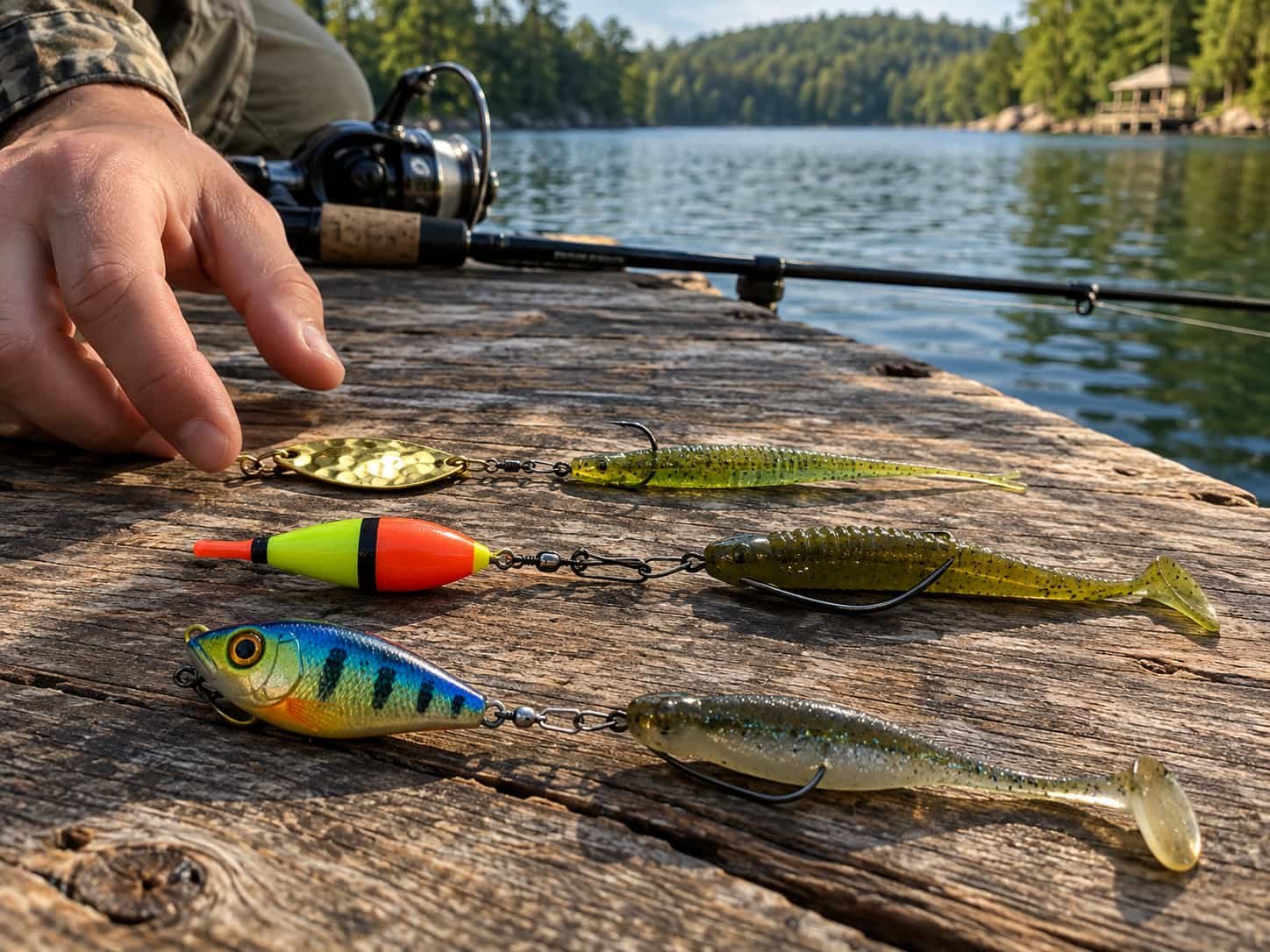
New to baitcasting? Learn how to prevent backlash on a baitcaster by setting the brakes, adjusting spool tension, and feathering the spool with your thumb.
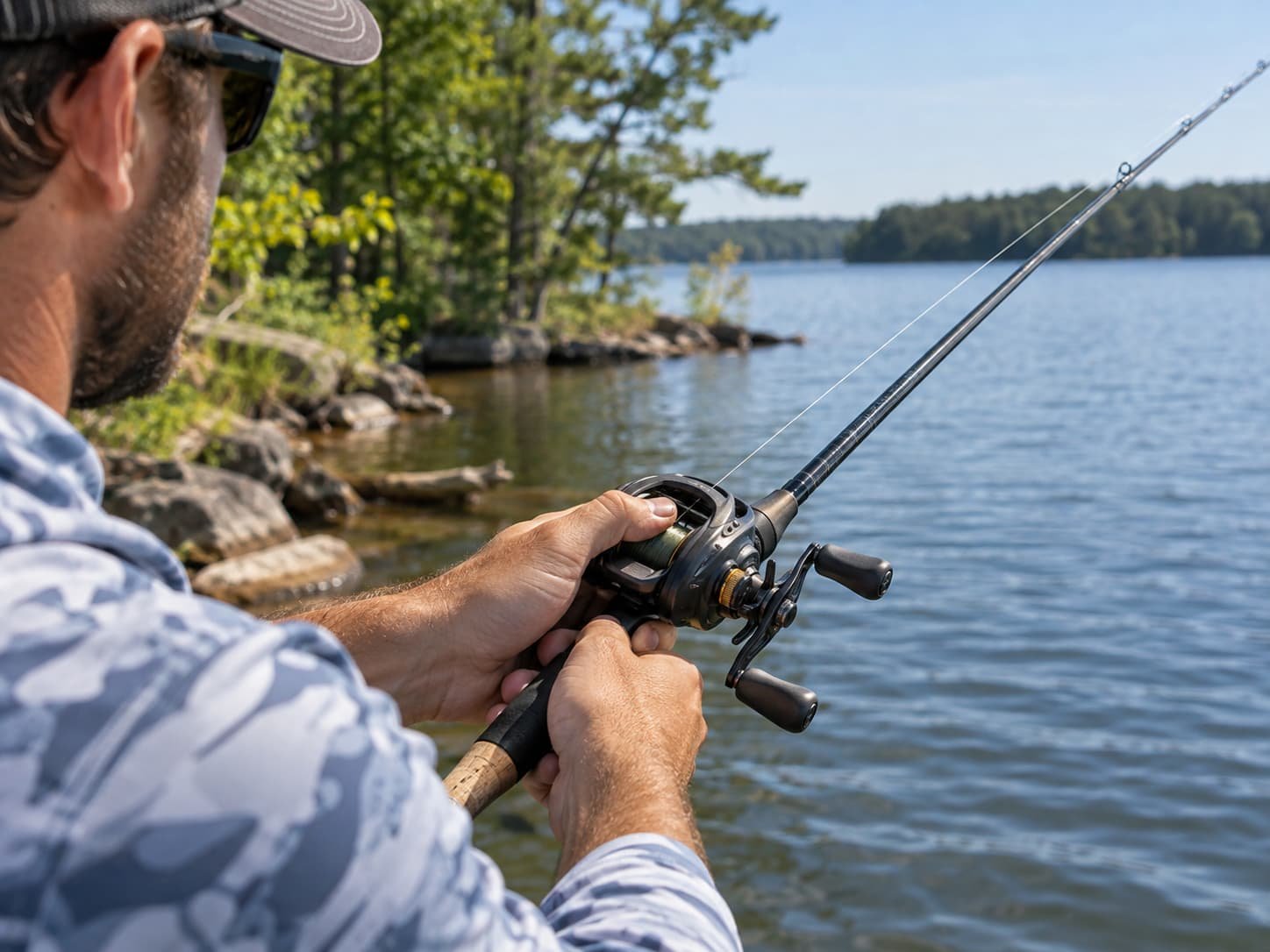
New bank, different cover? Learn lure fishing rigs for beginners and when to use a jighead, Texas rig, drop shot, Carolina rig, or minnow lure.
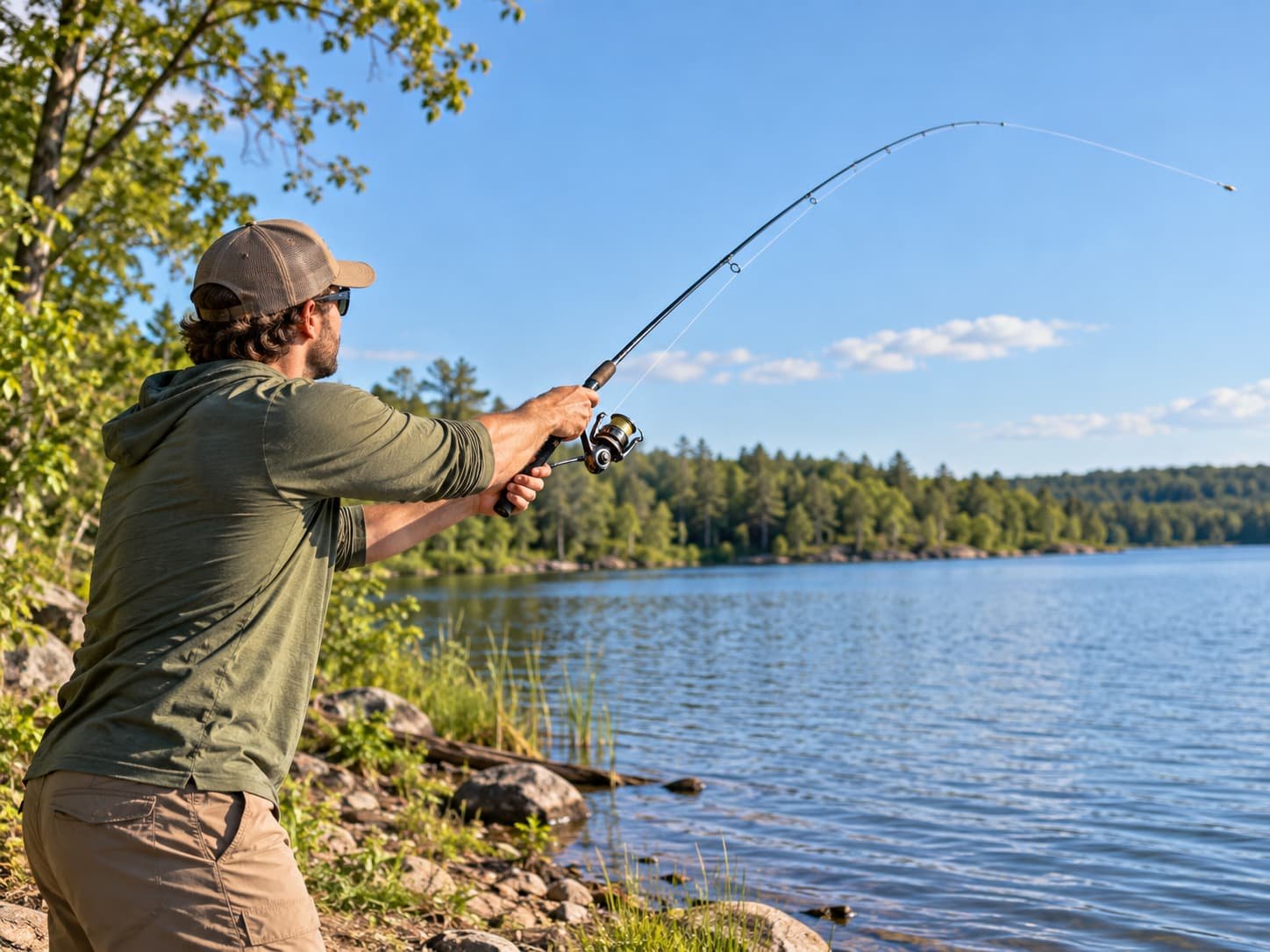
See how to cast a spinning reel from start to finish: hold the line, open the bail, swing forward, and use your finger to control where the lure lands.
Fall crucian carp fishing tips for choosing where to fish. See why shallow edges, vegetation, and nearby cover deserve a closer look.