How to Catch Rockfish from Shore by Reading the Rocks
- Category
- Fishing Techniques
- Date
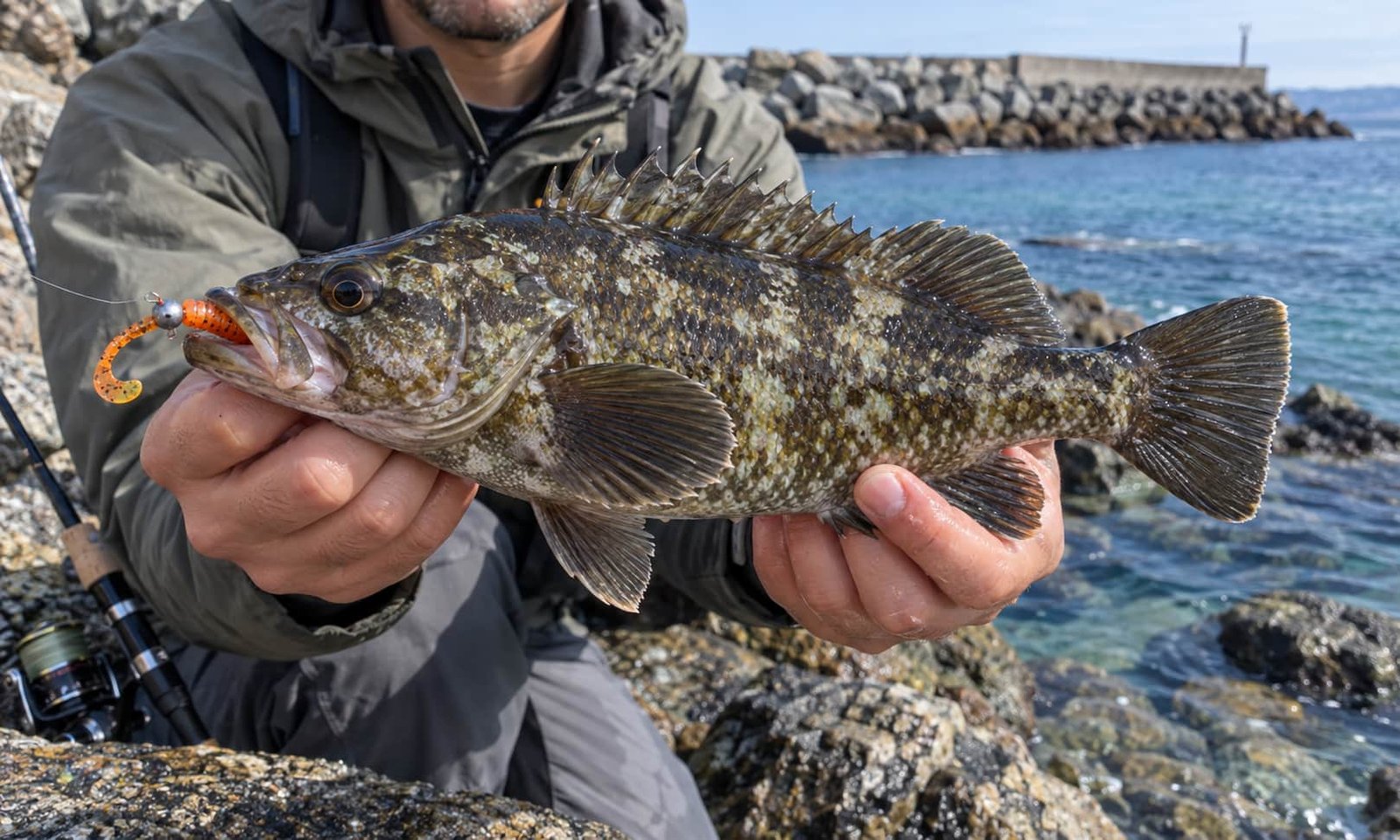
To catch rockfish from shore, find submerged rocks and crevices, work a small soft plastic near the bottom, and move a hooked fish clear of the structure. A promising shoreline gives you a place to present the lure and enough room to bring the fish out.
Reading the rocks means choosing a specific target before casting. The opening beside a boulder, the rubble at a breakwater’s base, and the rocky edge of a harbor give your lure a clear destination. Once you find suitable cover, short hops and a natural fall keep the presentation close to the fish.
Which rockfish does this shore fishing method target?
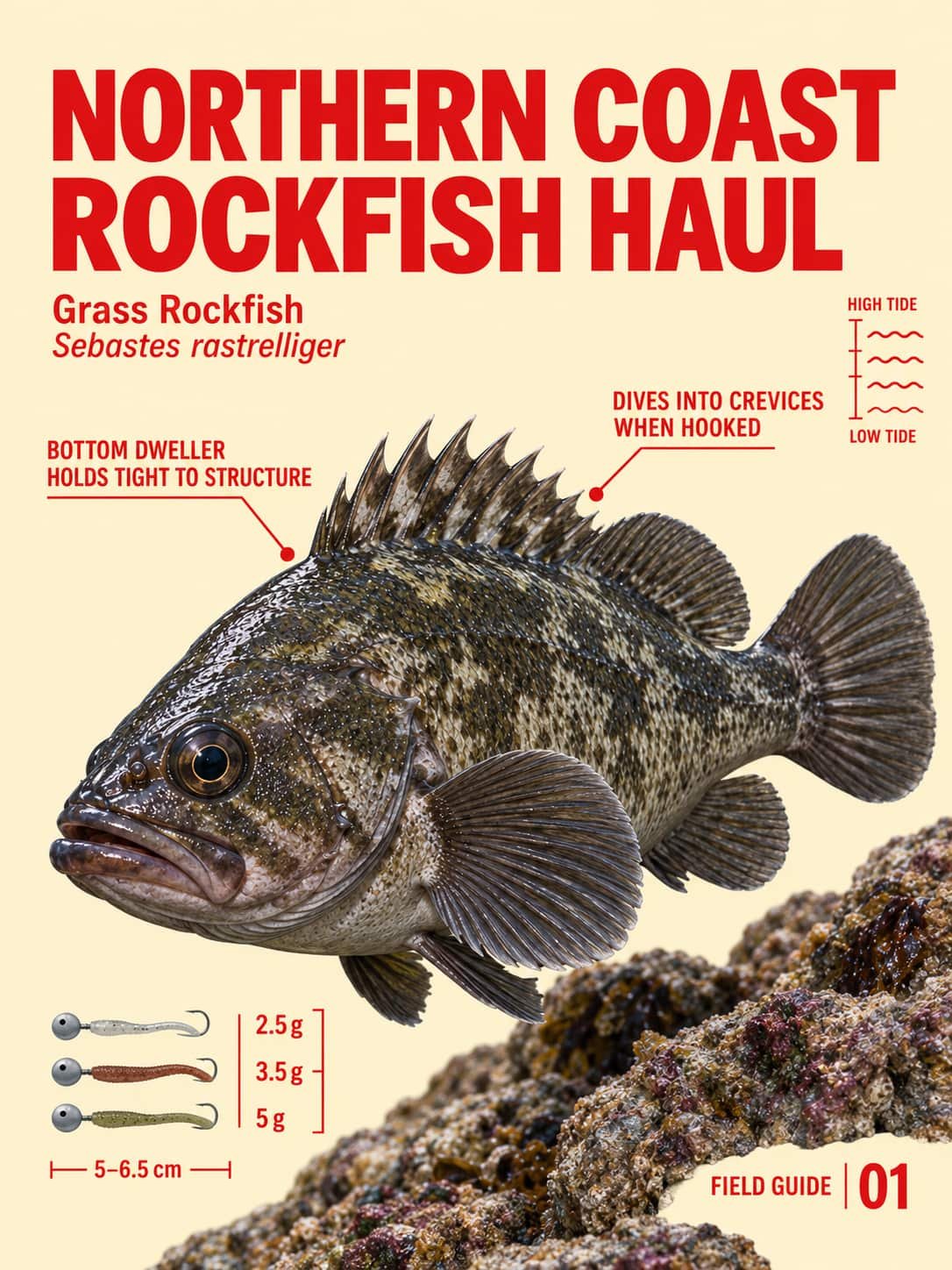
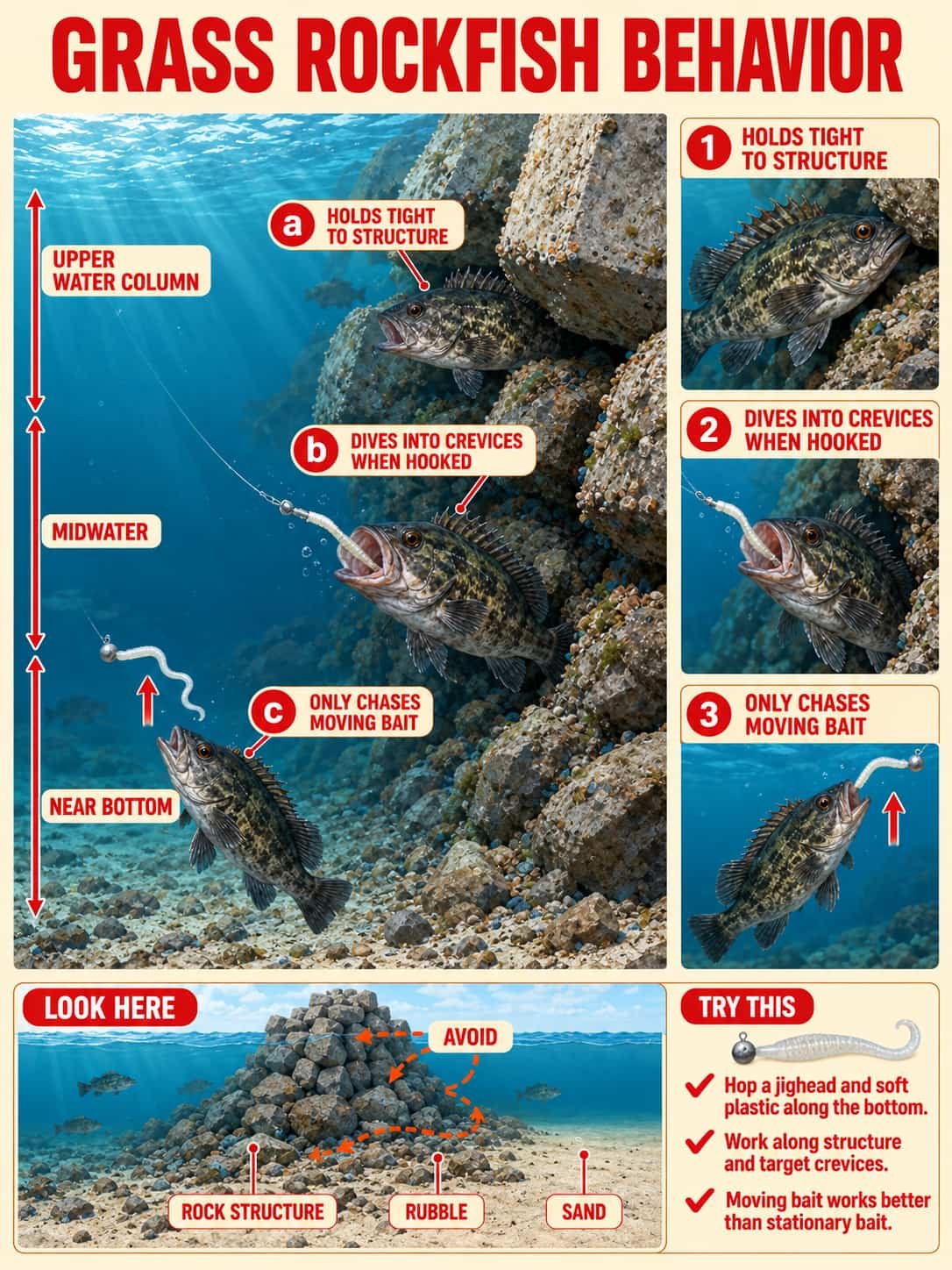
The light-jig approach targets grass rockfish (Sebastes rastrelliger) and similar rockfish that hold close to shallow rocky structure. The setting is Pacific North American shoreline habitat where small jigs can reach the bottom. The approach depends on placing a lure beside cover and controlling the fish immediately after a bite.
Grass rockfish use reef crevices as shelter. The same gaps that make a spot worth fishing also give a hooked fish somewhere to retreat. Your tackle and casting position need to account for both the presentation and the first moments of the fight.
European anglers use the term light rock fishing, often shortened to LRF, for a comparable approach with small lures and light tackle. The target species vary by region; grass rockfish remain a Pacific North American target.
Where should you look for rockfish from shore?
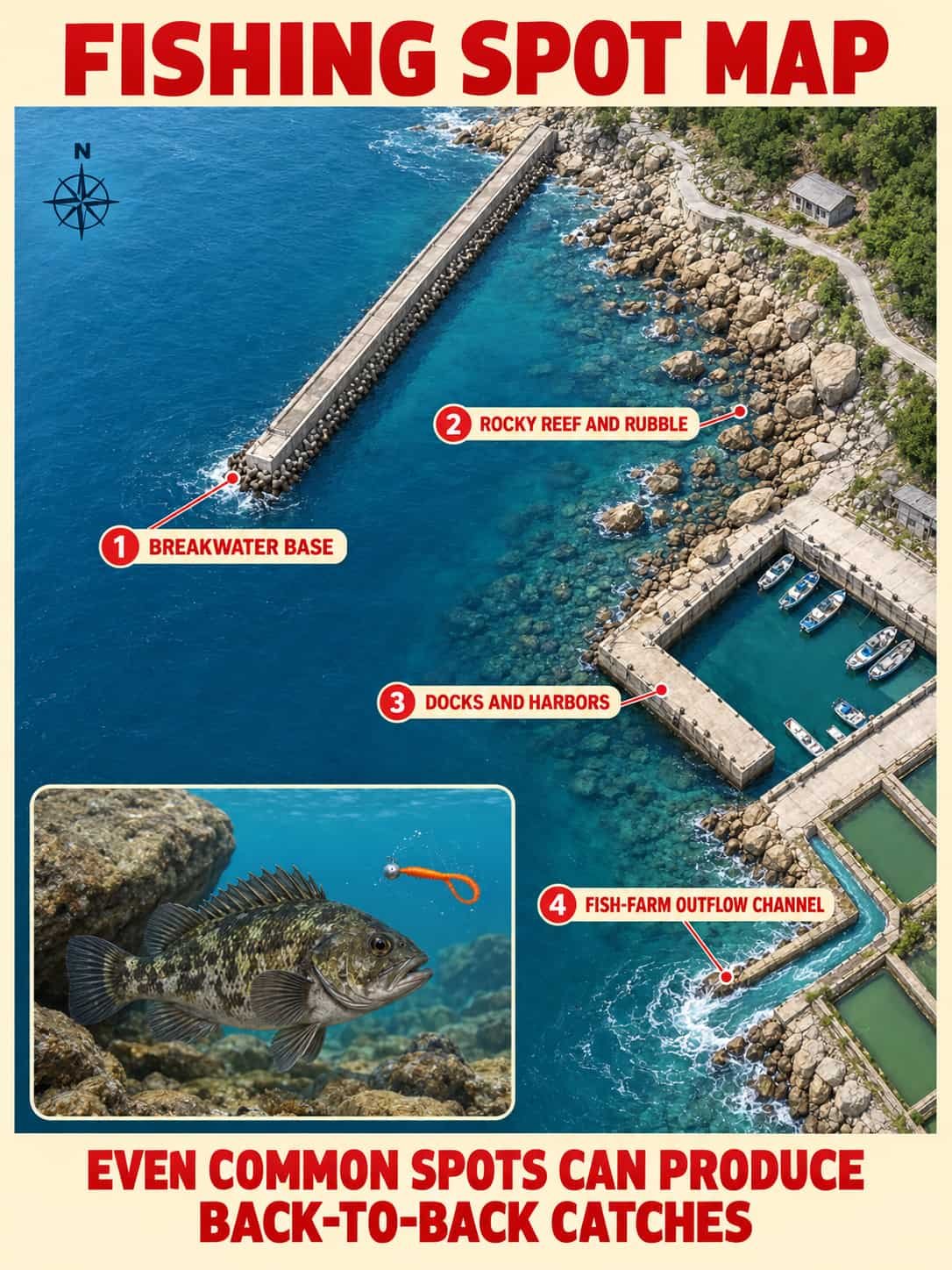
Look for rocky reefs, rubble, submerged breakwater bases, and rocky habitat around docks or harbors. Crevices and gaps between stones deserve close attention because they provide shelter. An outflow channel also warrants a look where flowing water meets suitable rocky habitat and anglers have permission to fish.
| Shoreline feature | Where to focus |
|---|---|
| Breakwater base | Submerged rocks at the foot of the breakwater, including around the outer end |
| Rocky reef and rubble | Boulder edges, visible crevices, and gaps between smaller rocks |
| Docks and harbors | Rocky margins and submerged structure beside accessible waterfront areas |
| Fish-farm outflow channel | The channel opening and nearby rocks where the discharge meets coastal water |
How do you read a breakwater or rocky reef?
Read a breakwater by following the submerged rocks along the base and identifying openings beside larger stones. Read a rocky reef by looking for crevices, rubble pockets, and edges that your lure can reach. Choose a casting angle that lets you work beside the cover and pull a fish away.
Structure means a physical feature such as a rock pile, reef, or breakwater. Cover means the shelter a fish uses within or beside that feature. A breakwater is structure; a gap between its submerged boulders provides cover.
A lure worked along the outside of a rock pile can pass close to several openings. Keep the presentation beside those openings instead of deliberately dropping the jig deep into a crack. The fish’s shelter and a place that traps tackle can be the same gap.
Can docks, harbors, and outflow channels hold rockfish?
Docks, harbors, and outflow channels are worth checking when nearby rocks provide suitable shelter. The useful target is the submerged habitat beside the waterfront or channel opening. Look for reachable rock edges and crevices, then decide whether you can keep a lure near the bottom without repeatedly wedging the rig.
A harbor wall with rocky ground at its foot gives you a specific place to investigate. Cast so the lure can travel along that rocky margin. A dock or harbor label alone does not tell you whether suitable rockfish habitat lies underneath.
An outflow channel adds moving water to the shoreline setting. At a fish-farm outflow, focus on the channel mouth and adjacent rocky habitat where fishing access is permitted. The useful combination is reachable shelter beside flowing water.
What tackle do you need to catch rockfish from shore?
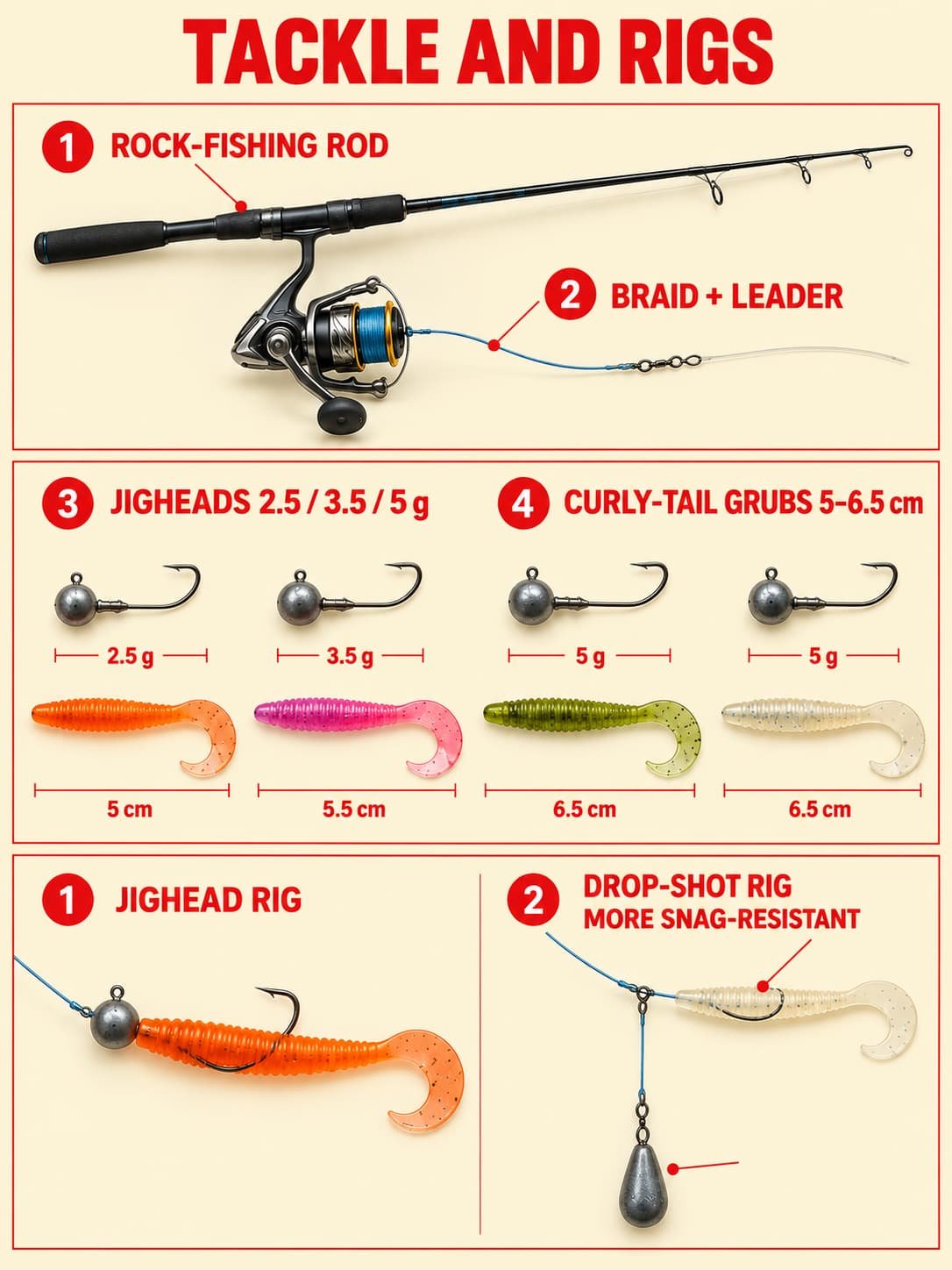
Use a light spinning rod, a spinning reel, braided main line, and a leader for the light-jig method. Pair the setup with small jigheads and soft plastics. Around a breakwater, choose a rod with enough backbone to turn a hooked fish and move the fish away from the rocks.
| Tackle | Specification or feature |
|---|---|
| Rod | Light rock-fishing spinning rod with enough backbone to control fish near structure |
| Reel | Spinning reel |
| Main line | Braid |
| Leader | A separate line section between the braid and terminal tackle |
| Jigheads | 2.5 g, 3.5 g, and 5 g |
| Curly-tail grubs | 5–6.5 cm, including 5 cm, 5.5 cm, and 6.5 cm examples |
A leader is the line section closest to the lure or rig. The braid-plus-leader setup separates the main line from the tackle working around the rocks. Check the leader for abrasion after contact with rough surfaces.
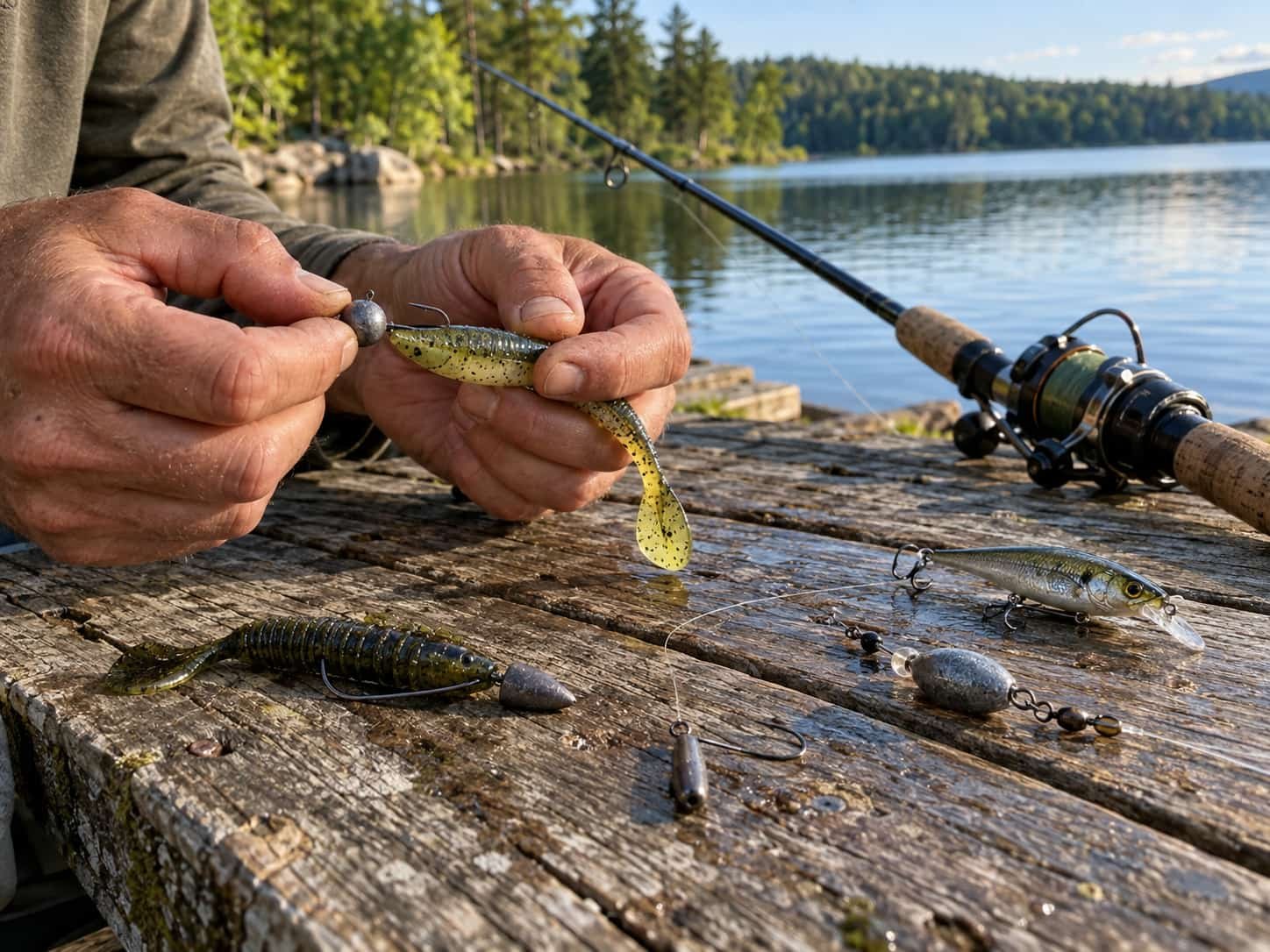
A curly-tail grub is a soft-plastic lure with a curved tail that moves as water passes over the lure. The grubs in the setup range from 5 to 6.5 cm. Keep the lure body straight on the hook so the tail can move freely.
How do you choose jighead weight and soft-plastic size?
Choose among the 2.5 g, 3.5 g, and 5 g jigheads according to whether the lure reaches the bottom and remains controllable. Match the jighead to a 5–6.5 cm soft plastic. The useful combination allows short hops followed by a controlled, natural fall beside the rocks.
Bottom contact tells you whether a jighead suits the spot. If the lure keeps sweeping above the target rocks, the current or depth may exceed what the selected weight can manage. The 2.5–5 g range suits the method only where you can control the presentation.
Which rig should you use around rocks?
Use a jighead rig when you can hop the lure beside rocks without repeatedly trapping the head or hook. Consider a drop-shot rig when separating the lure from the bottom weight helps you present the bait near crevices. Both rigs need careful placement because rocky ground can snag tackle.
A jighead rig combines a weighted hook with a soft-plastic lure threaded onto the hook. The jighead carries the lure down, and a short rod lift raises the head and plastic together. Keep the lure straight and leave the tail clear to move.
Snags are a practical reason to change the rig or presentation. If the same retrieve repeatedly wedges the jighead, adjust the casting angle or use the alternative rig. Repeating a cast through the same trapping gap usually leaves the underlying problem unchanged.
How does a drop-shot rig change the presentation?
A drop-shot rig places the hook and soft plastic above a separate sinker attached below the hook. The sinker provides bottom contact while the lure can move above the rocks. That separation can reduce the lure’s contact with the bottom, although the sinker and exposed hook can still snag.
The hook belongs above the sinker in a drop-shot rig. That arrangement distinguishes the rig from a jighead, where the weight and hook form one unit. Keeping the line under suitable tension helps maintain the separation between the lure and the bottom weight.
How should you work a soft plastic near the bottom?
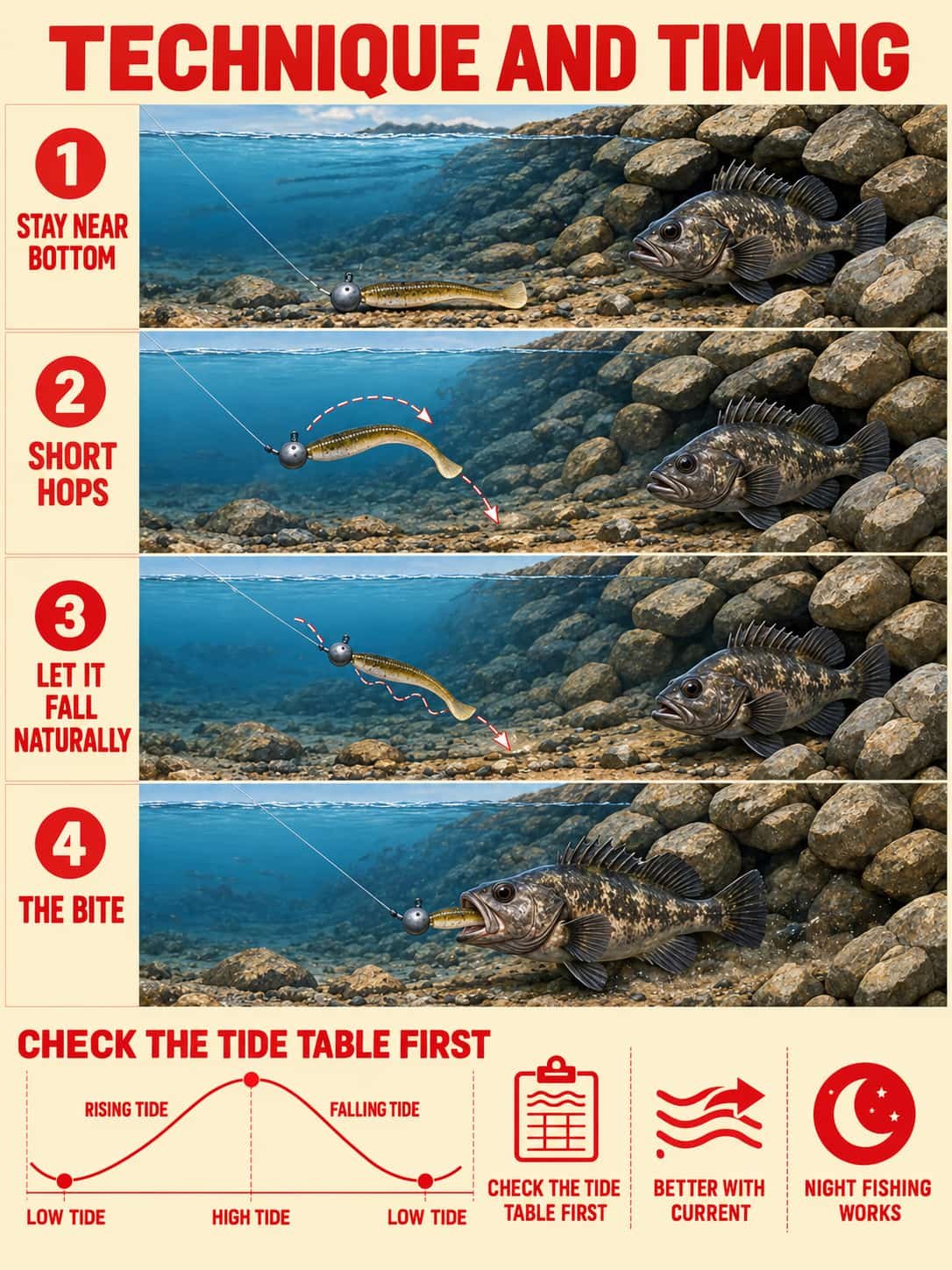
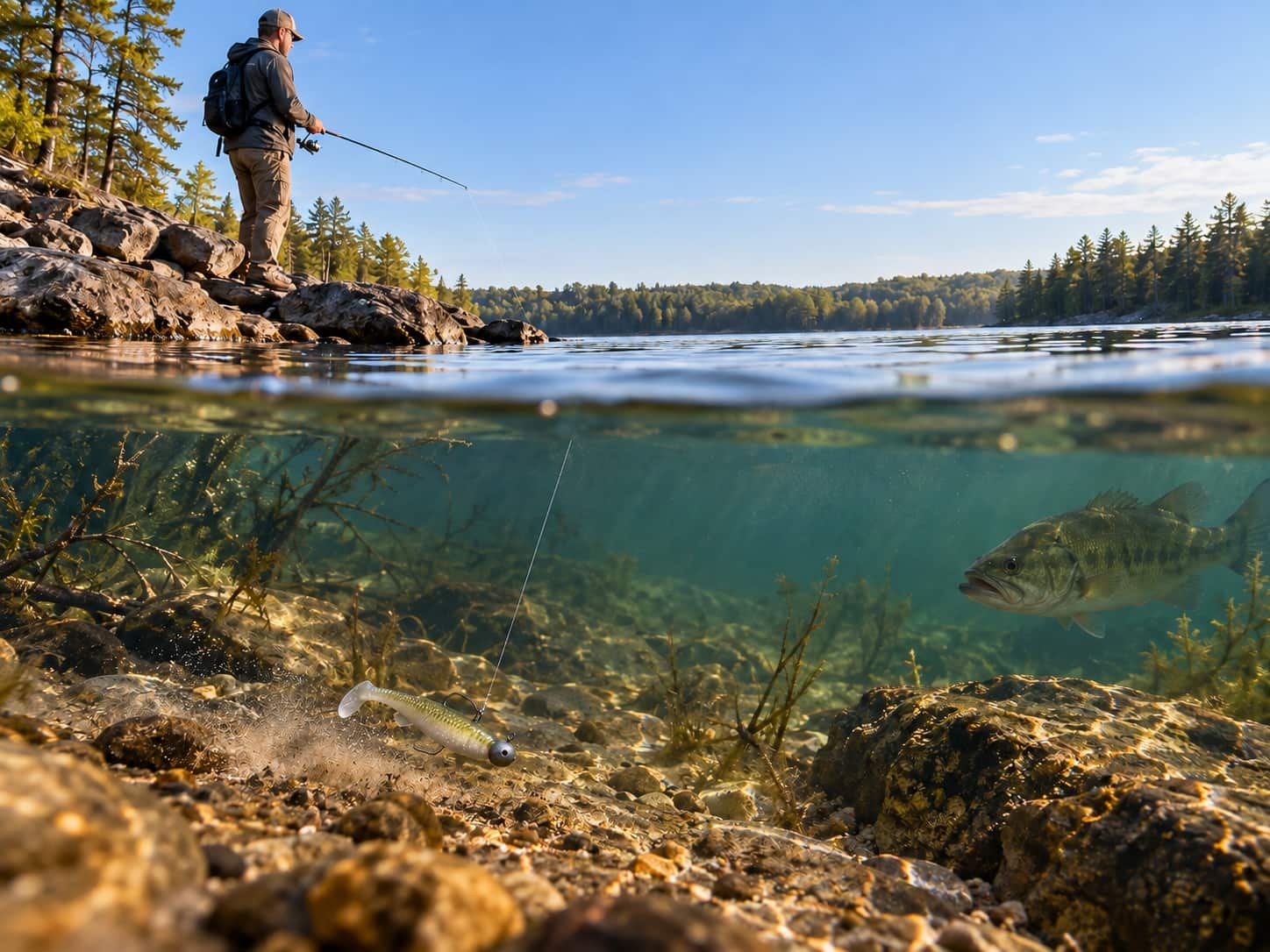
Work a soft plastic with short hops followed by a natural fall, keeping the lure close to the bottom and beside rocky cover. Use enough movement to animate the lure without pulling the presentation far above the fish. Slow the retrieve so the lure spends time near the crevices.
- Let the lure reach the target depth. Allow the jighead to sink near the bottom beside the selected rocks.
- Lift the lure with a short hop. Make a small rod movement that raises the jighead and brings the soft plastic to life.
- Let the lure fall naturally. Lower the rod and manage the line so you can follow the descent without pulling the lure away.
- Repeat along the structure. Work the lure past the rock edges and openings within reach.
Short hops keep a curly-tail grub moving beside the fish’s shelter. Let the tail work during each lift and fall. You can retrieve slowly while keeping the soft plastic active and close to the rocky bottom.
The fall deserves as much attention as the lift. A fast, continuous retrieve can carry the soft plastic away from the rocky bottom. Short lifts and controlled descents keep the lure working around the habitat you chose before casting.
What should you do when a rockfish takes the lure?
Move a hooked rockfish away from the rocks promptly while maintaining controlled pressure. A fish hooked beside a crevice can retreat into the same shelter you targeted. Use the rod’s backbone to guide the fish toward clearer water, and keep the line from going slack during that initial movement.
Your casting position affects your ability to control the fish. Before presenting the lure, identify the direction that leads away from the rock face or boulder pile. That choice gives you a practical route to follow when the fish takes the lure.
Steady pressure helps you keep control during the first part of the fight. Match the pressure to your tackle rather than trying to wrench the fish out with an uncontrolled pull. The immediate aim is to clear the shelter and keep the line moving away from sharp rocks.
When should you fish rocky shoreline structure?
Check the local tide table before heading out and pay attention to moving water around the rocks. Periods with current deserve attention, and night fishing offers another option. Plan around the actual flow at the spot, then keep the lure controllable as the water level and current change.
A tide is the rise and fall of water level. A tidal current is the horizontal movement of water associated with the tide. High and low water do not automatically identify the strongest flow or the time of slack current at every shoreline.
Moving water makes lure control part of the timing decision. Watch whether the selected jighead still reaches the rocky bottom and whether you can follow the fall. Keep the presentation near the target habitat as conditions change.
Does night fishing work for grass rockfish?
Night fishing is a workable option for grass rockfish around suitable rocky habitat. Keep the same priorities after dark: identify the structure, present a moving soft plastic near the bottom, and control a hooked fish before the fish reaches a crevice. Darkness changes the conditions but preserves the basic approach.
Knowing the layout helps you place the lure after dark. A familiar breakwater base or rocky shoreline gives you identifiable targets for the same short-hop presentation. Night fishing does not remove the need to choose the rocks and the casting angle carefully.
What does a simple breakwater approach look like?
A simple breakwater approach starts with a reachable rocky base, a controllable jighead, and a clear direction for moving a hooked fish. Work a small soft plastic beside the submerged stones with short hops and natural falls. Adjust the rig when repeated snags show that the presentation keeps entering trapping gaps.
Consider a breakwater with large stones at the foot and smaller rubble along the edge. Choose a visible opening beside a boulder, then cast so the lure can descend along the outer face. Choose a 2.5 g, 3.5 g, or 5 g jighead with a 5–6.5 cm grub according to bottom contact.
A familiar shoreline can still offer useful rockfish habitat. Look closely at the rock edges and crevices you can reach, keep the lure near the bottom, and leave room to control the fish. Check current local fishing rules and area closures before fishing the spot.
More to Explore
Related Articles
More guides in Fishing Techniques
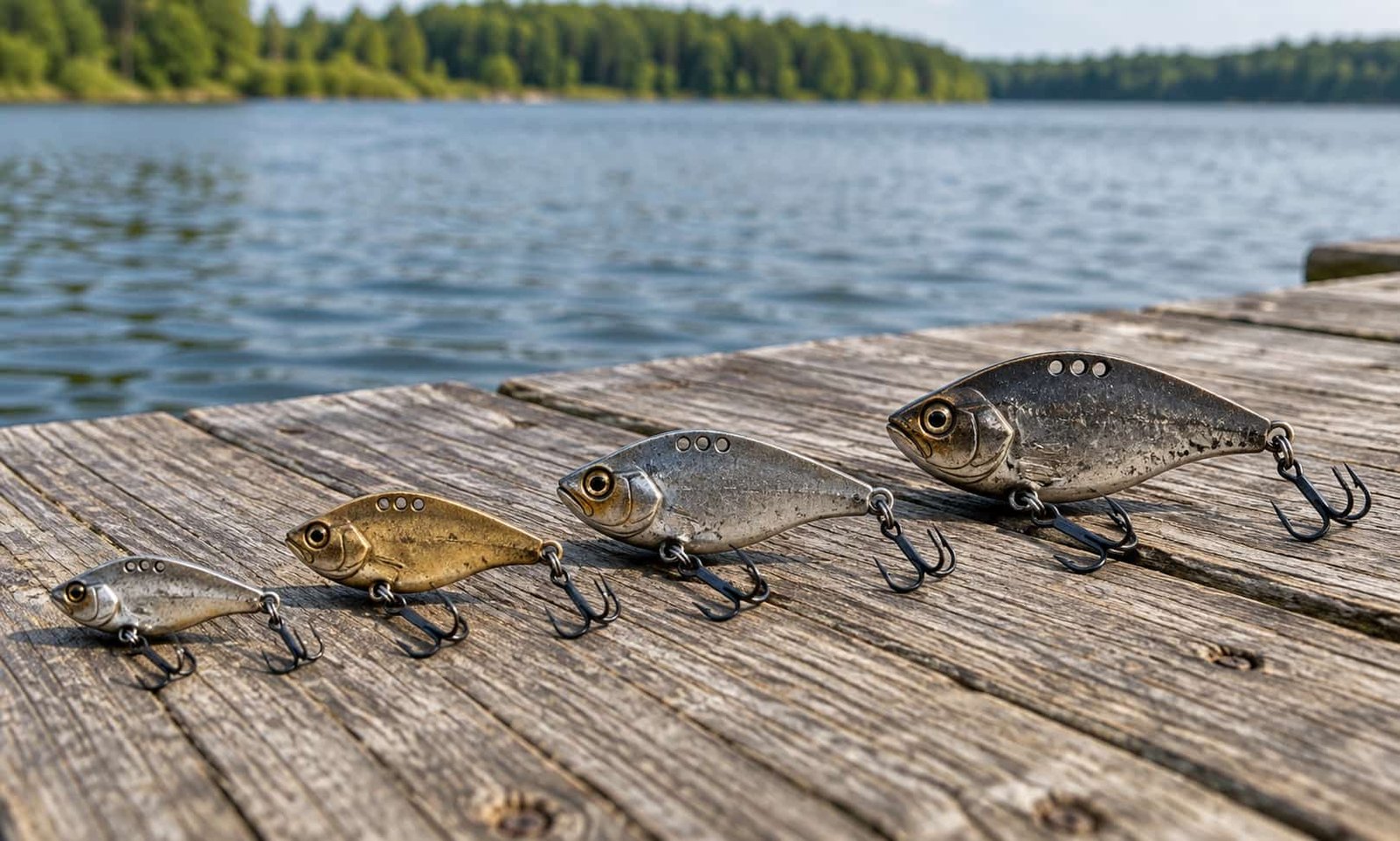
Learn how to choose a blade bait by weight, vibration, flash, and profile. See how a thin body affects the action and how to work the lure effectively.
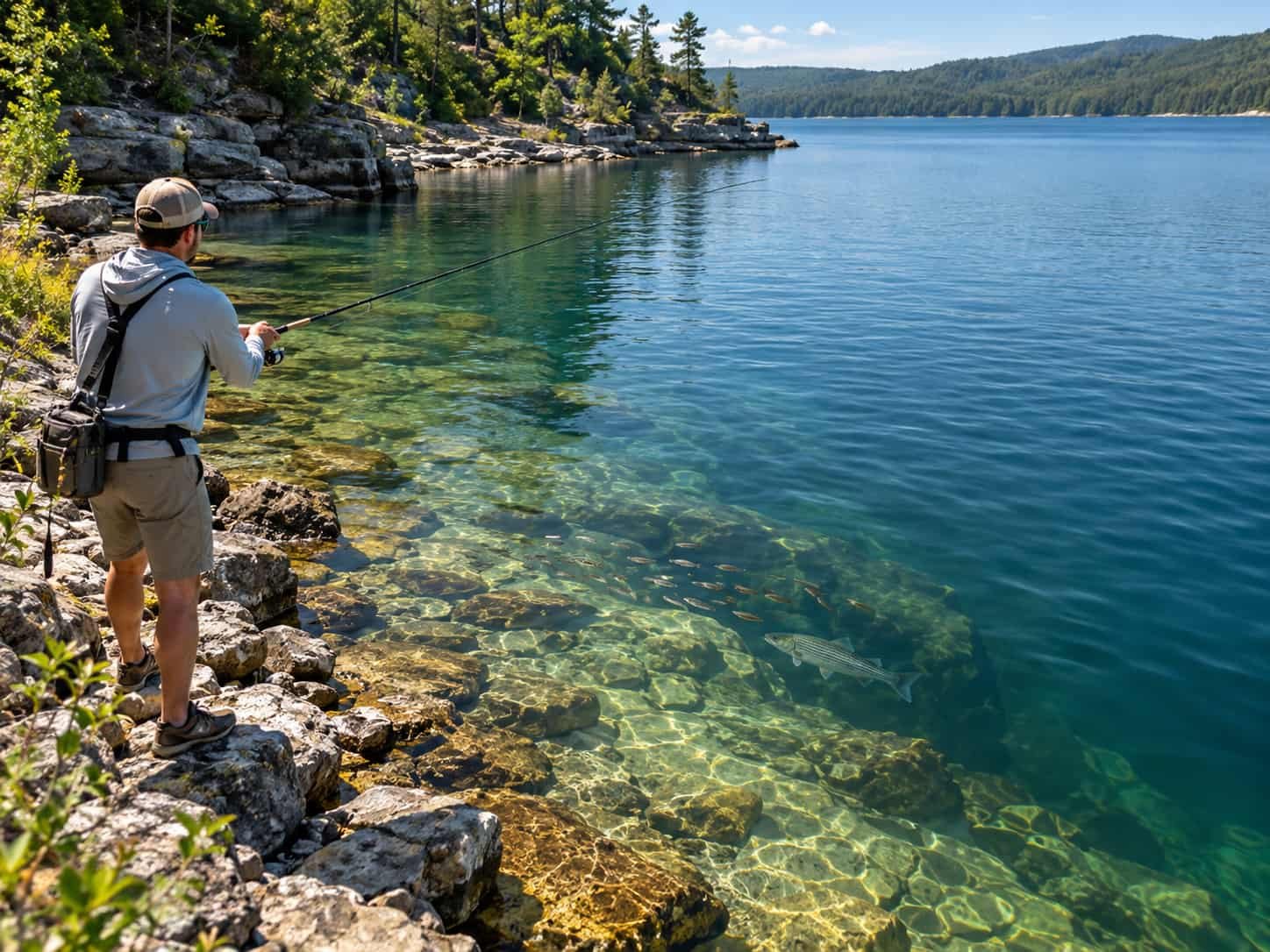
Learn how to find fish in new water with a metal jig, a slow bottom search, and a closer look at the shallow-to-deep break.
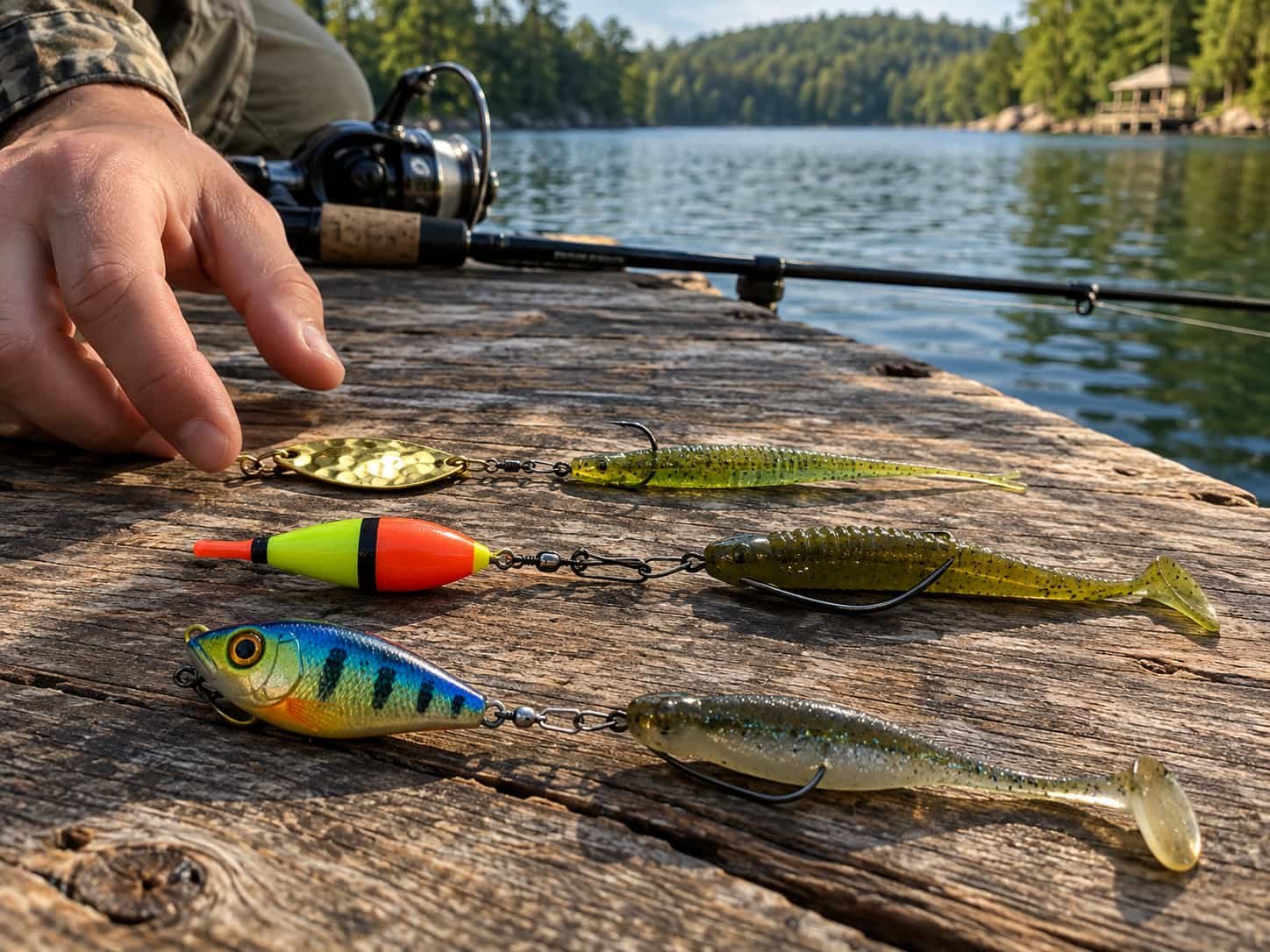
These weird fishing rigs combine hard baits and soft plastics in unexpected ways. See how each setup is built and whether one fits your next trip.
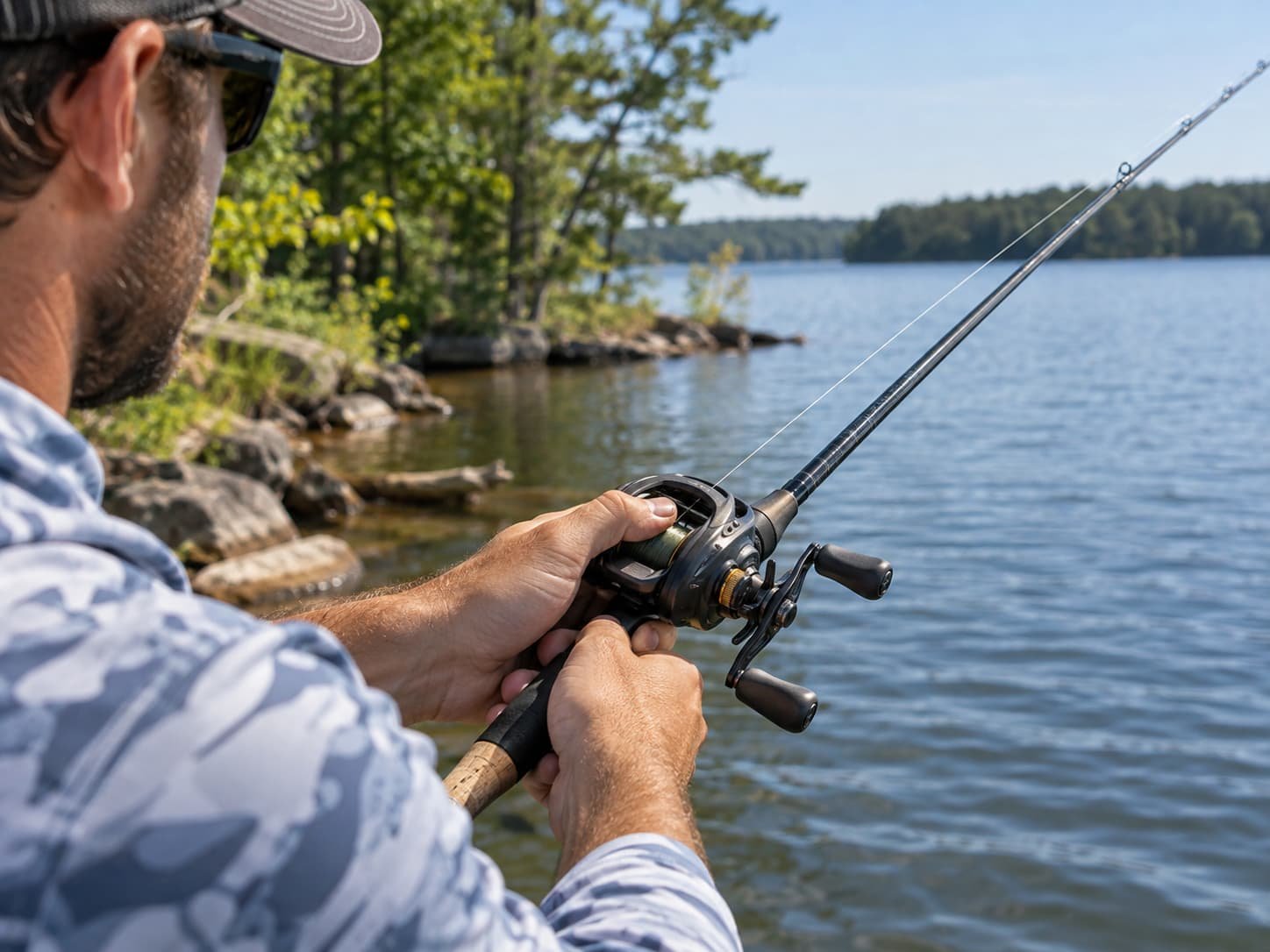
New to baitcasting? Learn how to prevent backlash on a baitcaster by setting the brakes, adjusting spool tension, and feathering the spool with your thumb.
New bank, different cover? Learn lure fishing rigs for beginners and when to use a jighead, Texas rig, drop shot, Carolina rig, or minnow lure.
Learn how to retrieve fishing lures by reading fish behavior. From sharp jerks to slow drags, adjust your presentation and make every move count.
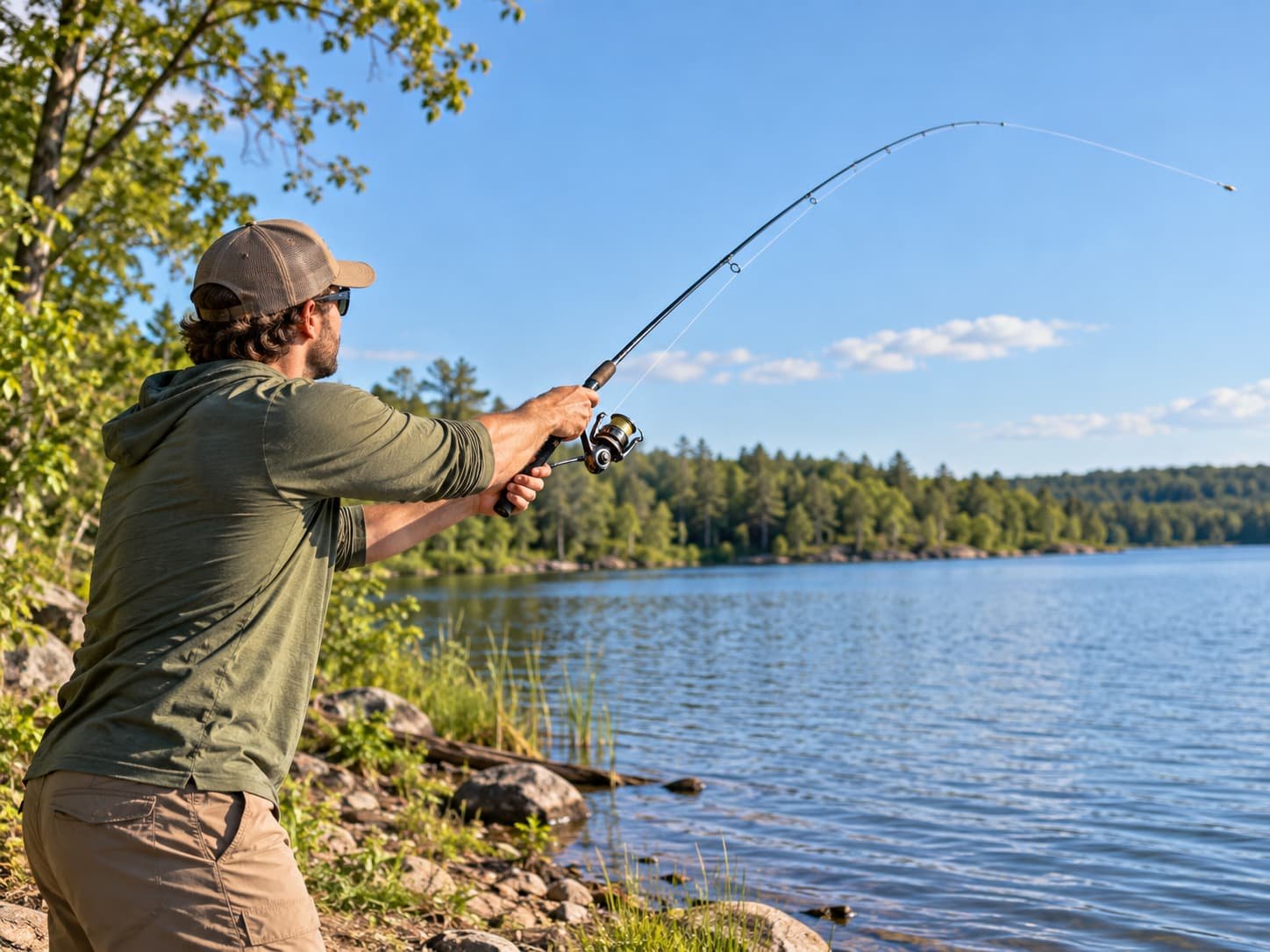
See how to cast a spinning reel from start to finish: hold the line, open the bail, swing forward, and use your finger to control where the lure lands.
Fall crucian carp fishing tips for choosing where to fish. See why shallow edges, vegetation, and nearby cover deserve a closer look.