How to Choose a Blade Bait That Fits the Water You Fish
- Category
- Fishing Techniques
- Date
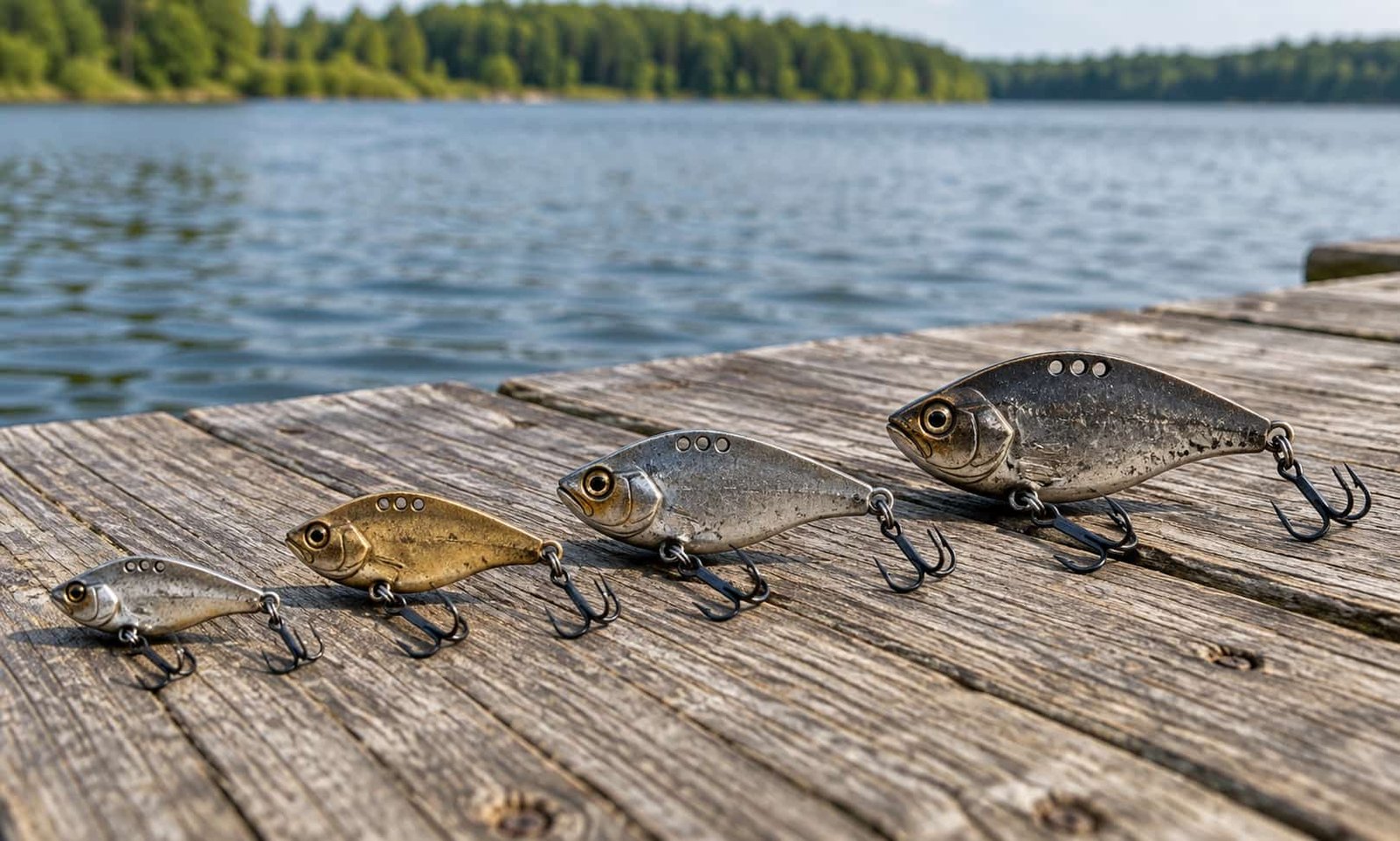
When you’re not sure how deep the fish are holding, learning how to choose a blade bait starts with more than casting distance. The right weight should help you reach the target depth, stay in control through the water column, and keep your retrieve consistent.
The guide below breaks down blade bait weight for shallow, mid-depth, and deeper water, then shows three practical retrieves you can use to search different layers and adjust as fish activity changes.
| Topic | Key Features or Conditions | Details |
|---|---|---|
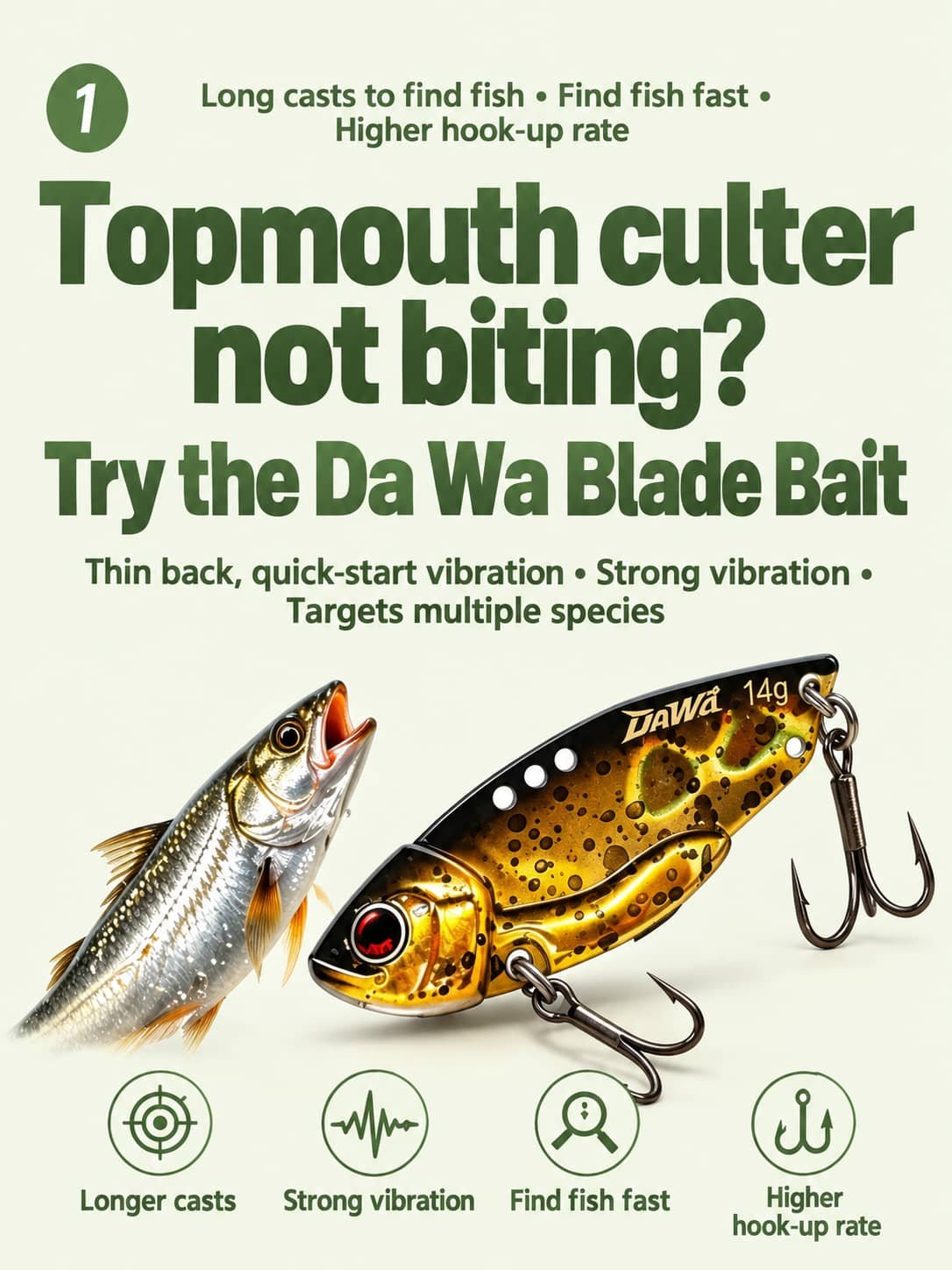
| Blade bait performance | Long casts and fast fish location | Thin-back design starts vibrating quickly, produces strong vibration, and helps fish detect the lure. |
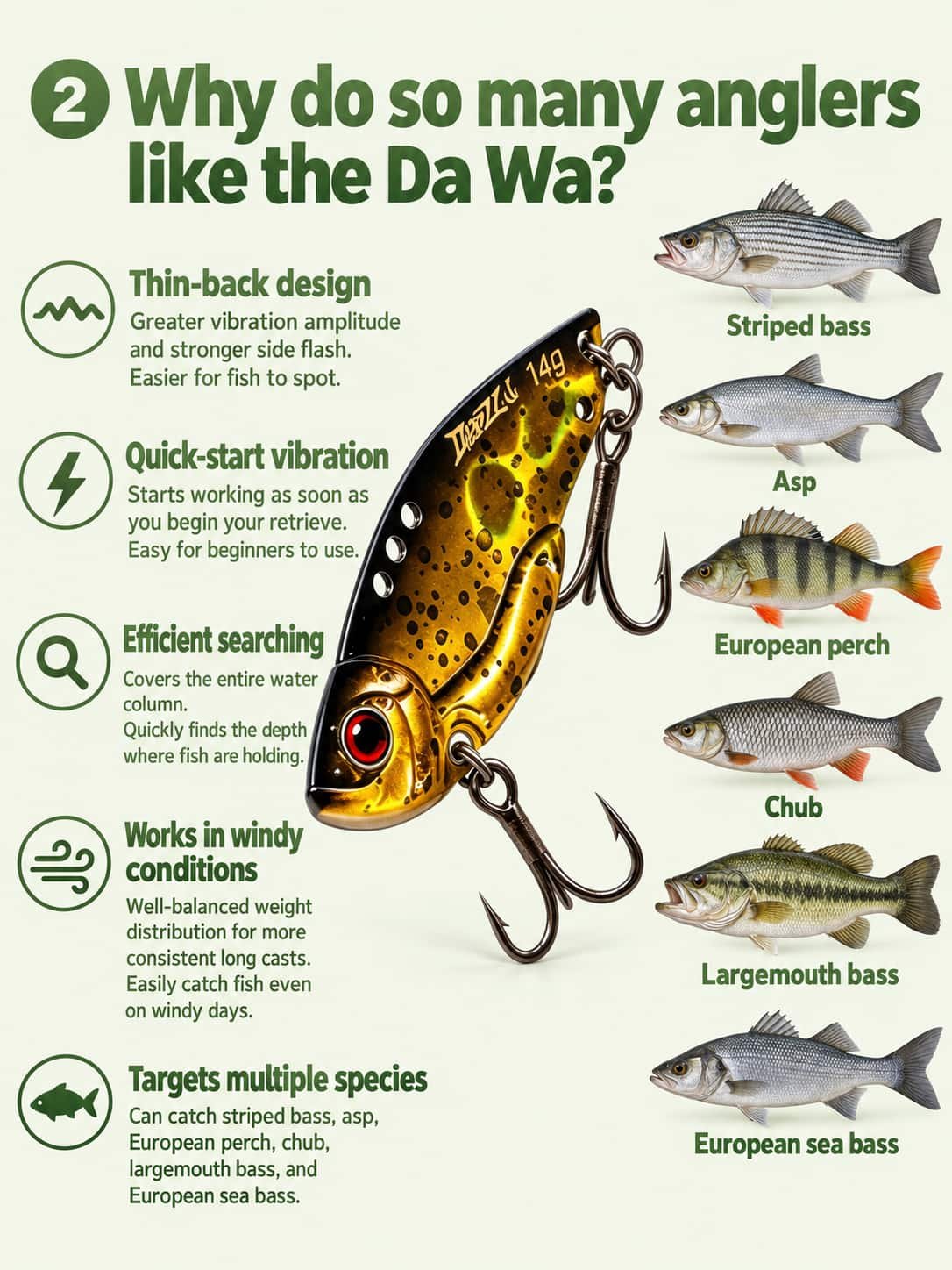
| Target species | Freshwater and coastal predators | Striped bass, asp, European perch, chub, largemouth bass, and European sea bass. |
| Thin-back design | Greater vibration amplitude and stronger side flash | Makes the lure easier for fish to spot. |
| Quick-start vibration | Action begins as soon as the retrieve starts | Easy for beginners to use. |
| Searching efficiency | Covers the entire water column | Helps locate the depth where fish are holding. |
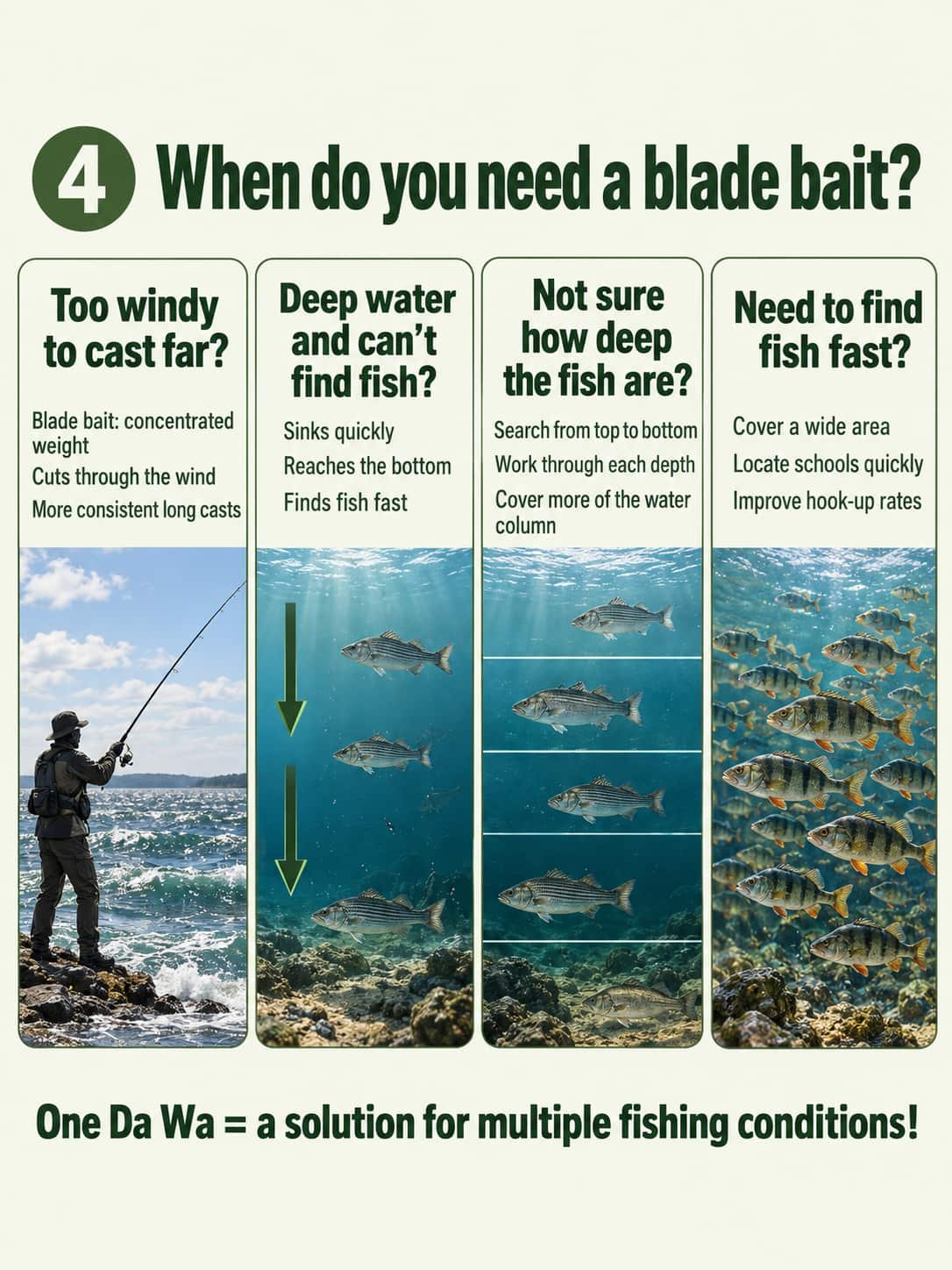
| Windy conditions | Concentrated, well-balanced weight | Cuts through the wind for more consistent long casts. |
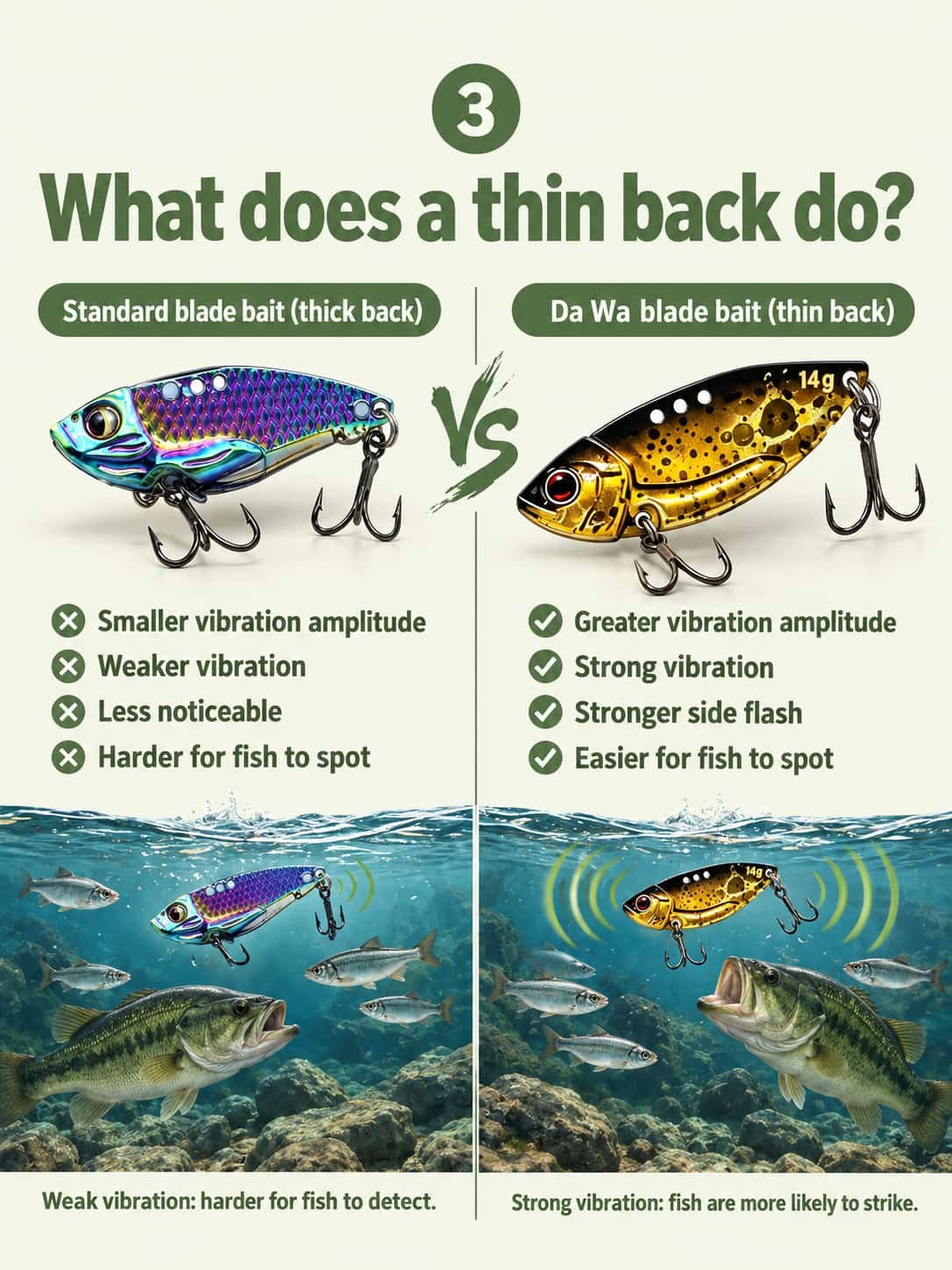
| Thick-back blade bait | Smaller vibration amplitude and weaker vibration | Less noticeable and harder for fish to detect. |
| Thin-back blade bait | Greater vibration amplitude, strong vibration, and stronger side flash | Easier for fish to detect; fish are more likely to strike. |
| Deep-water fishing | Fast sinking | Reaches the bottom and helps find fish quickly. |
| Unknown fish depth | Search from top to bottom | Work through each depth to cover more of the water column. |
| Finding fish quickly | Search a wide area | Locate schools quickly and improve hook-up rates. |
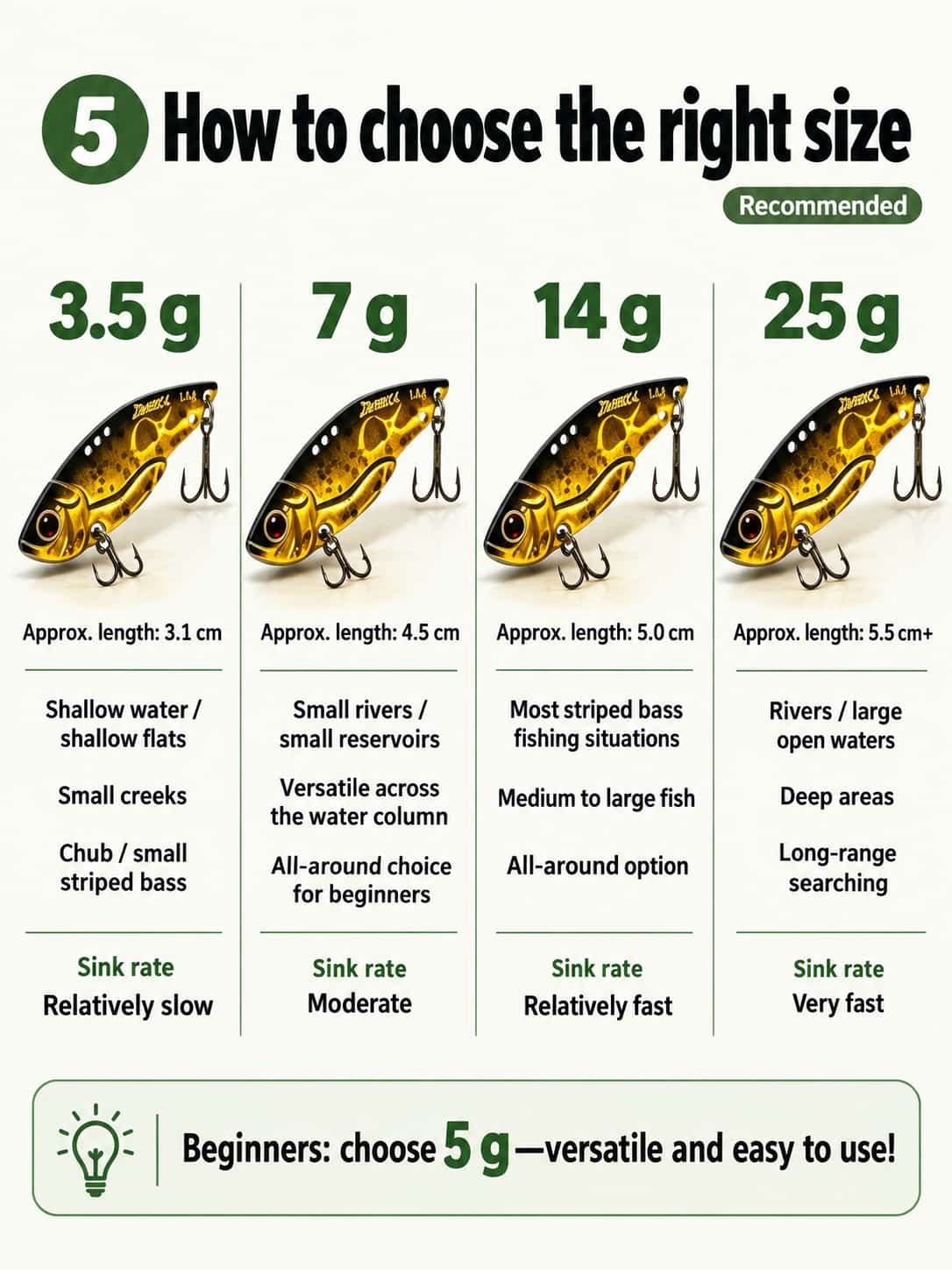
| Lure Weight | Approximate Length | Fishing Conditions and Targets | Sink Rate |
|---|---|---|---|
| 3.5 g | 3.1 cm | Shallow water, shallow flats, and small creeks; chub and small striped bass. | Relatively slow |
| 7 g | 4.5 cm | Small rivers and small reservoirs; versatile across the water column and an all-around choice for beginners. | Moderate |
| 14 g | 5.0 cm | Most striped bass fishing situations; medium to large fish and an all-around option. | Relatively fast |
| 25 g | 5.5 cm+ | Rivers, large open waters, and deep areas; long-range searching. | Very fast |
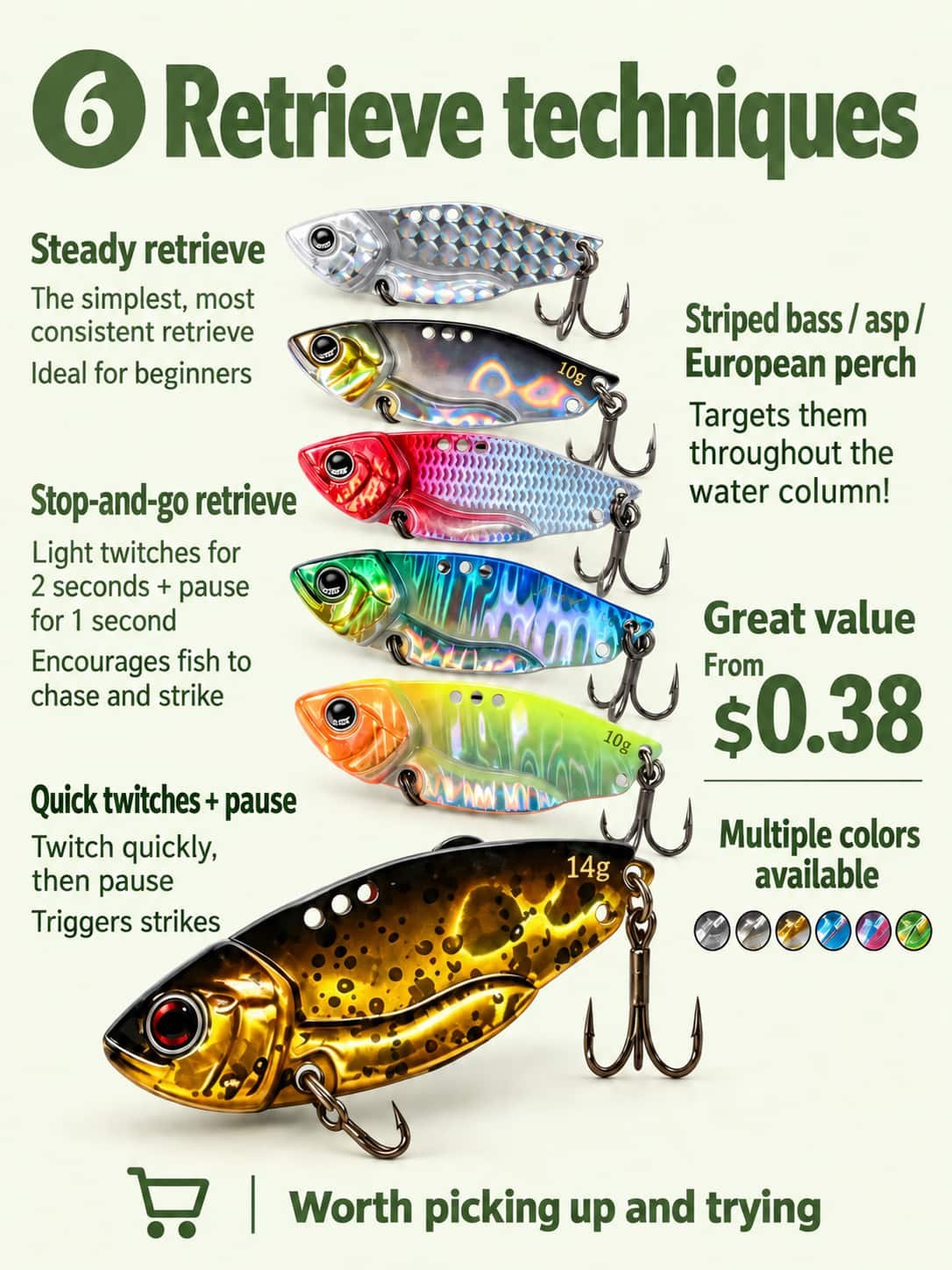
| Retrieve Technique | How to Work the Lure | Purpose or Benefit |
|---|---|---|
| Steady retrieve | Reel at a consistent speed. | The simplest, most consistent retrieve; ideal for beginners. |
| Stop-and-go retrieve | Use light twitches for 2 seconds, then pause for 1 second. | Encourages fish to chase and strike. |
| Quick twitches + pause | Twitch quickly, then pause. | Triggers strikes. |
More to Explore
Related Articles
More guides in Fishing Techniques
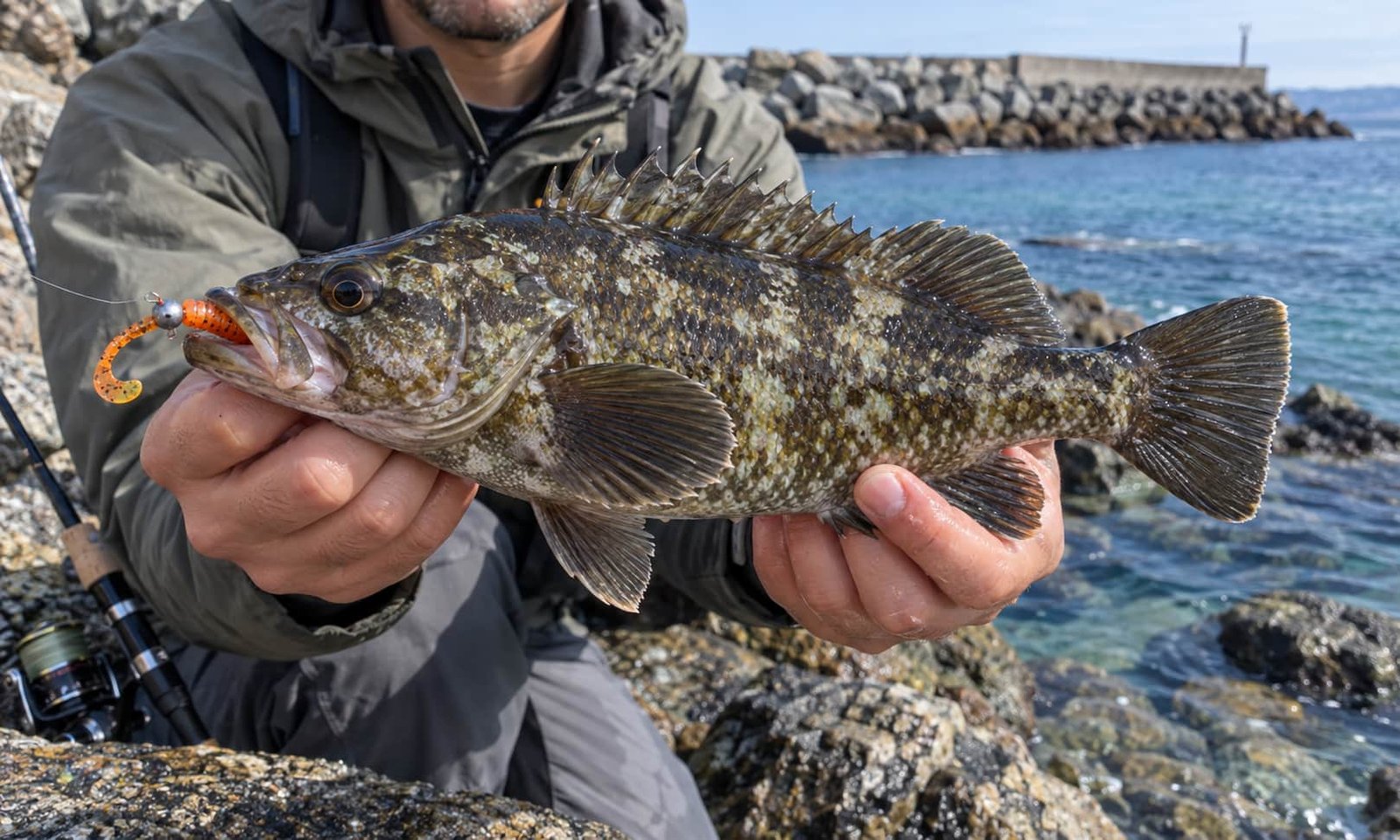
Learn how to catch rockfish from shore by reading the structure first. Target crevices, rocky edges, and the base of breakwaters, then keep your soft plastic close to the bottom where fish are likely to hold.
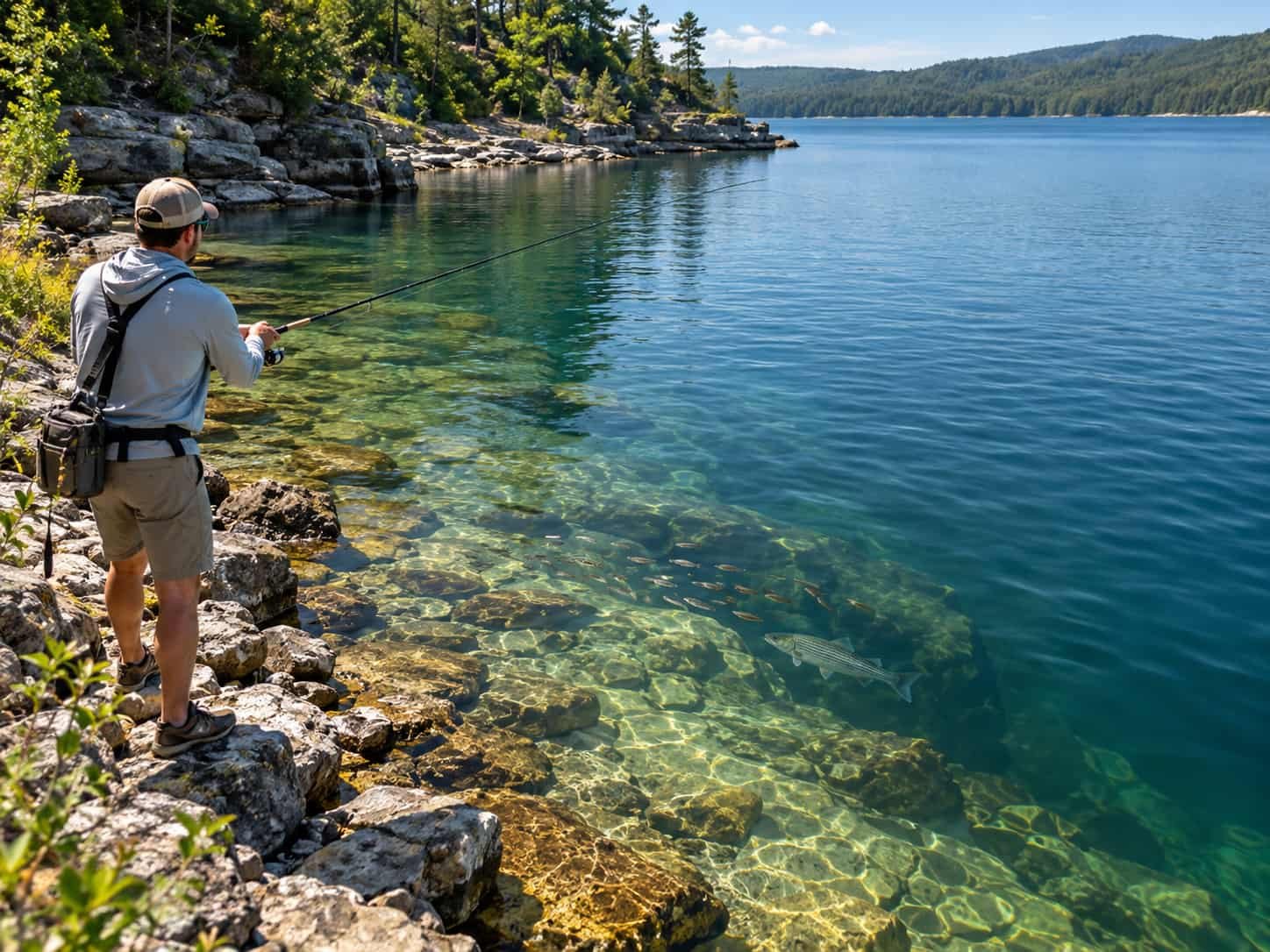
Learn how to find fish in new water with a metal jig, a slow bottom search, and a closer look at the shallow-to-deep break.
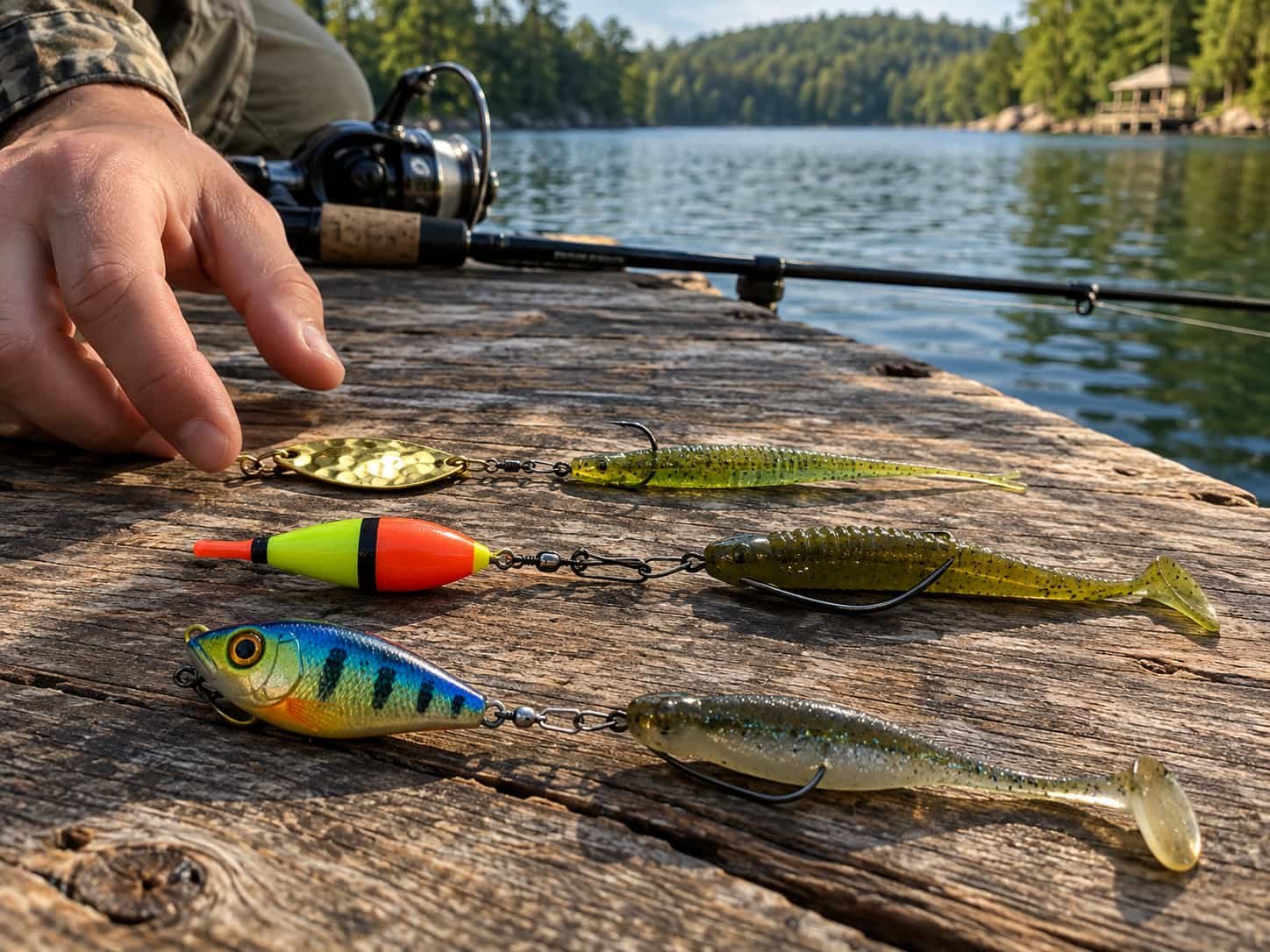
These weird fishing rigs combine hard baits and soft plastics in unexpected ways. See how each setup is built and whether one fits your next trip.
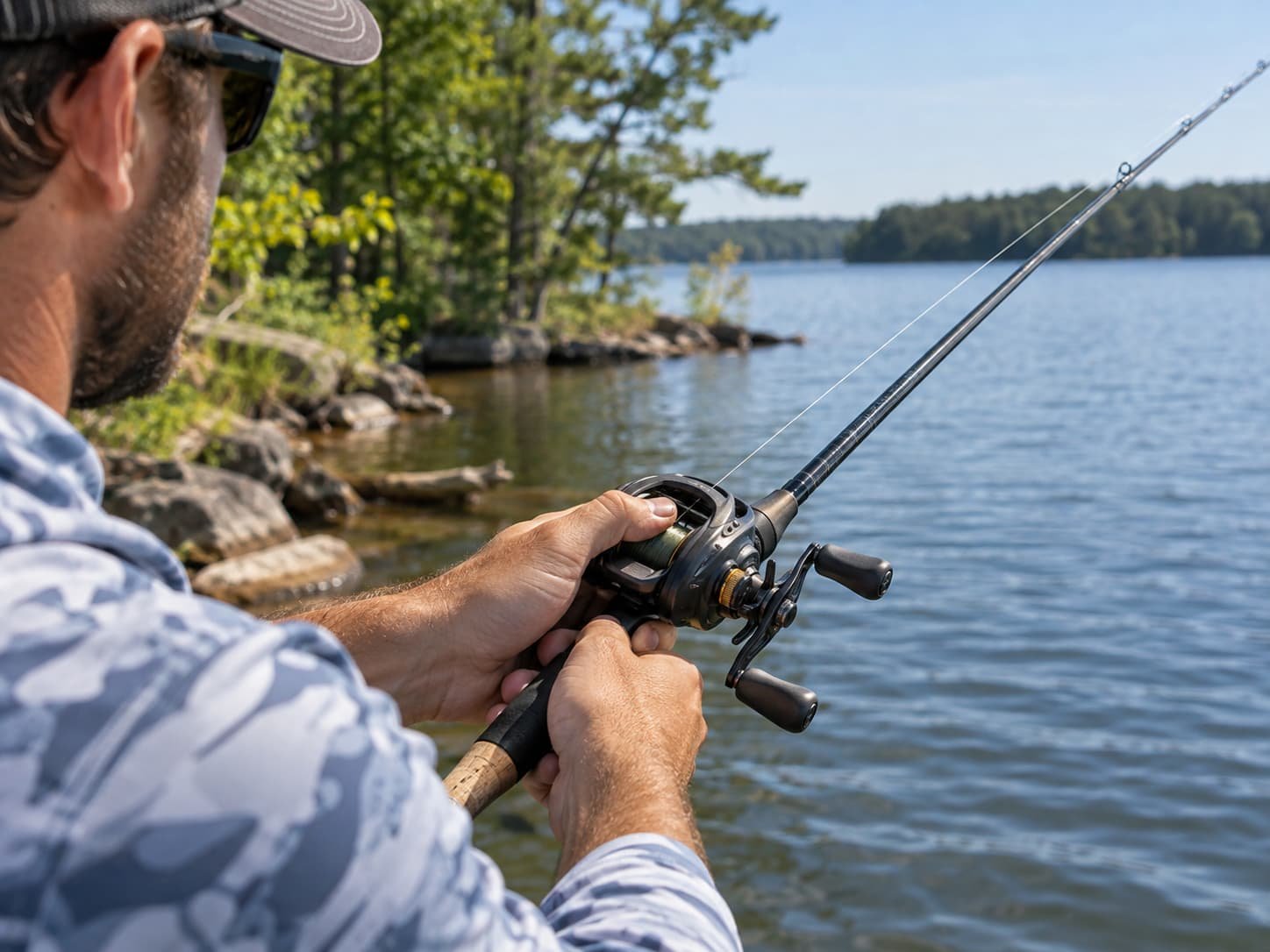
New to baitcasting? Learn how to prevent backlash on a baitcaster by setting the brakes, adjusting spool tension, and feathering the spool with your thumb.
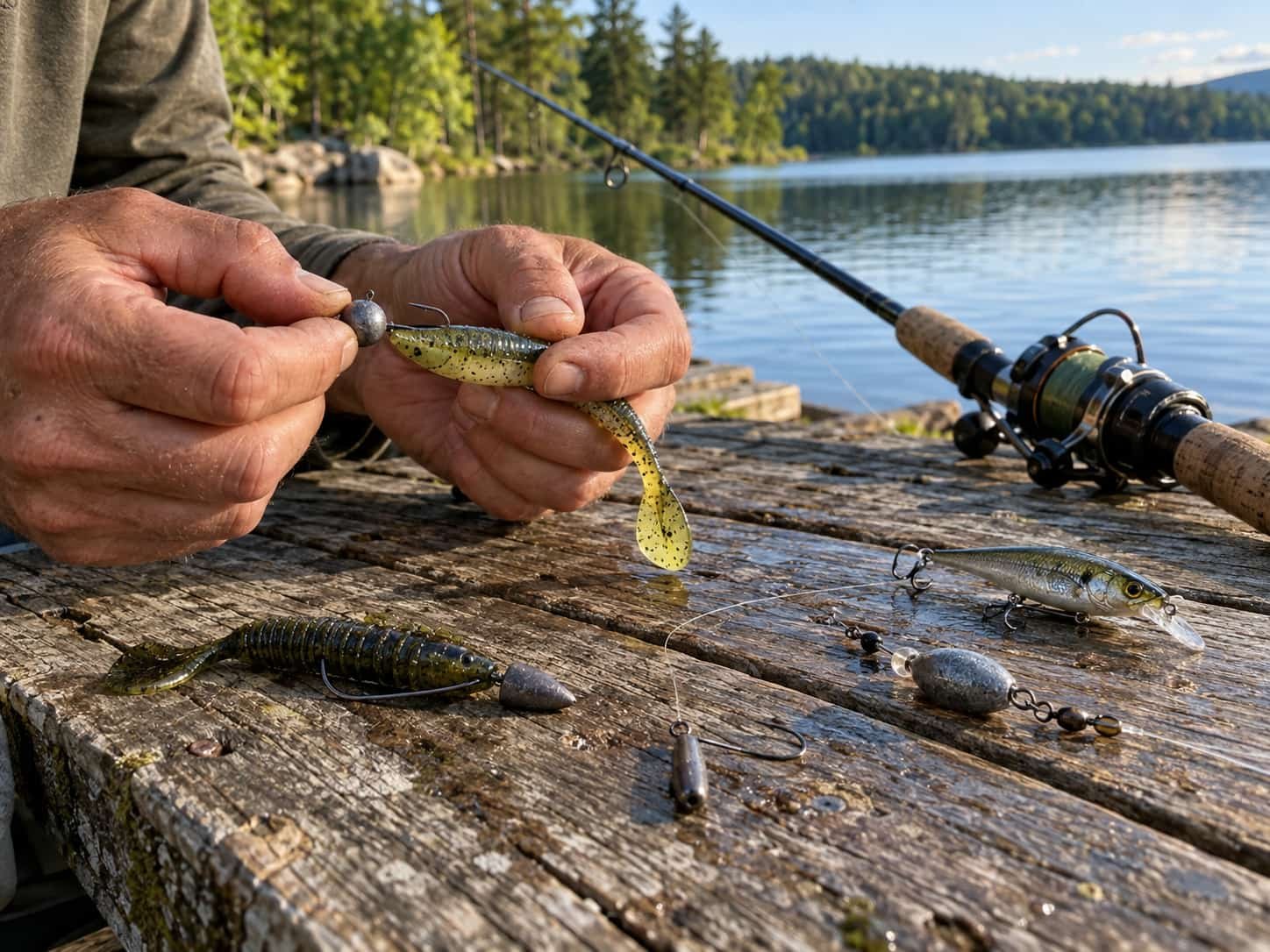
New bank, different cover? Learn lure fishing rigs for beginners and when to use a jighead, Texas rig, drop shot, Carolina rig, or minnow lure.
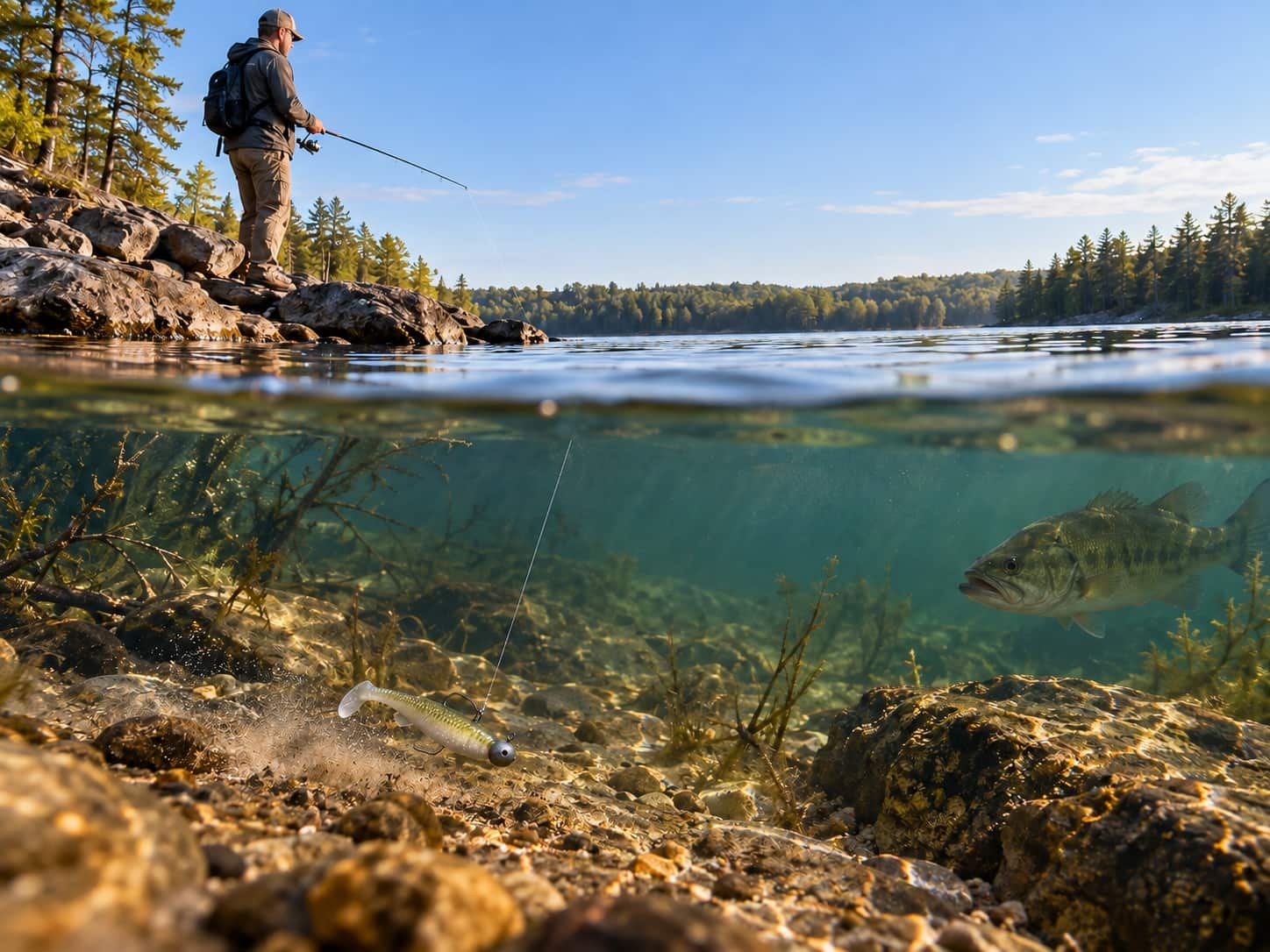
Learn how to retrieve fishing lures by reading fish behavior. From sharp jerks to slow drags, adjust your presentation and make every move count.
See how to cast a spinning reel from start to finish: hold the line, open the bail, swing forward, and use your finger to control where the lure lands.
Fall crucian carp fishing tips for choosing where to fish. See why shallow edges, vegetation, and nearby cover deserve a closer look.