Common Mistakes Made By Novice Lure Fishermen
- Category
- Fishing Techniques
- Date
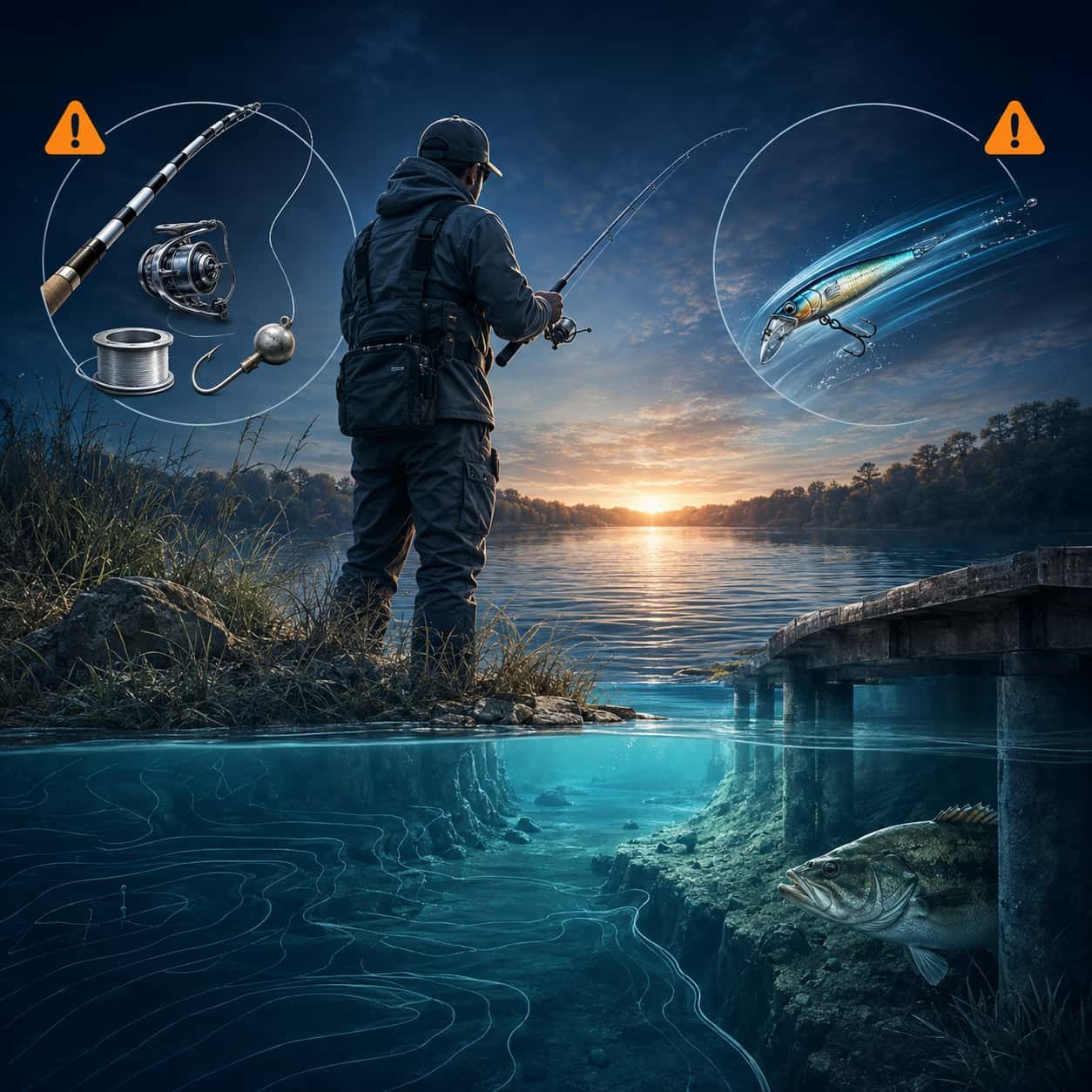
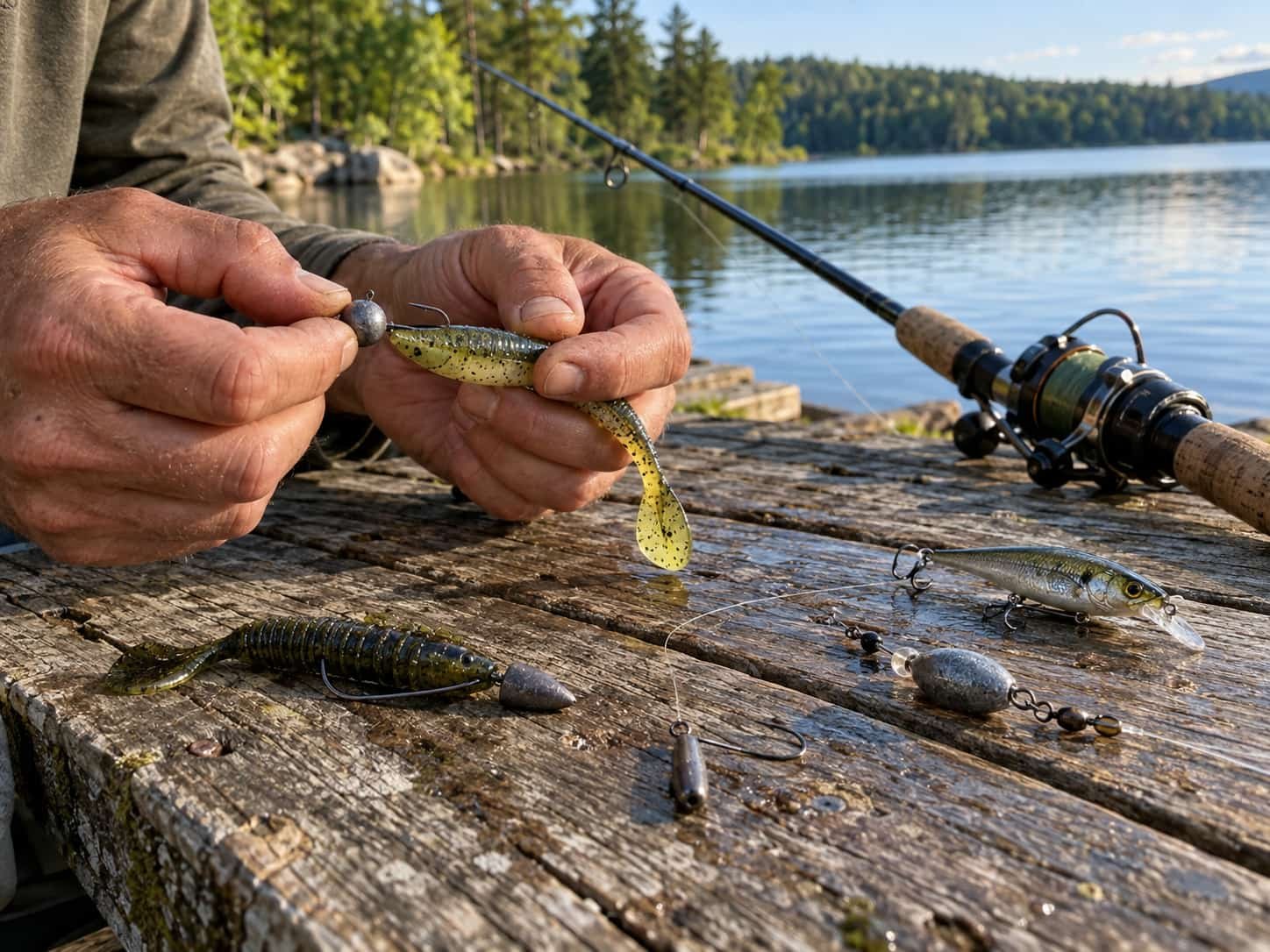
Most beginner lure fishing mistakes happen before a fish ever gets a good look at the bait. When your rod, reel, line, and jighead are poorly matched, casting feels awkward and the lure loses much of the action it was designed to have.
Then comes the next problem: fishing too fast and casting without a plan. Slow your retrieve, give the lure time to work, and focus your casts around places that naturally hold fish, such as grass edges, bridge pilings, current breaks, and depth changes.
Get those three things right: match your tackle, slow down, and choose each target with a reason. Do that on your next trip, and every cast will start working for you instead of becoming another guess.
How does mismatched tackle make lure fishing harder?
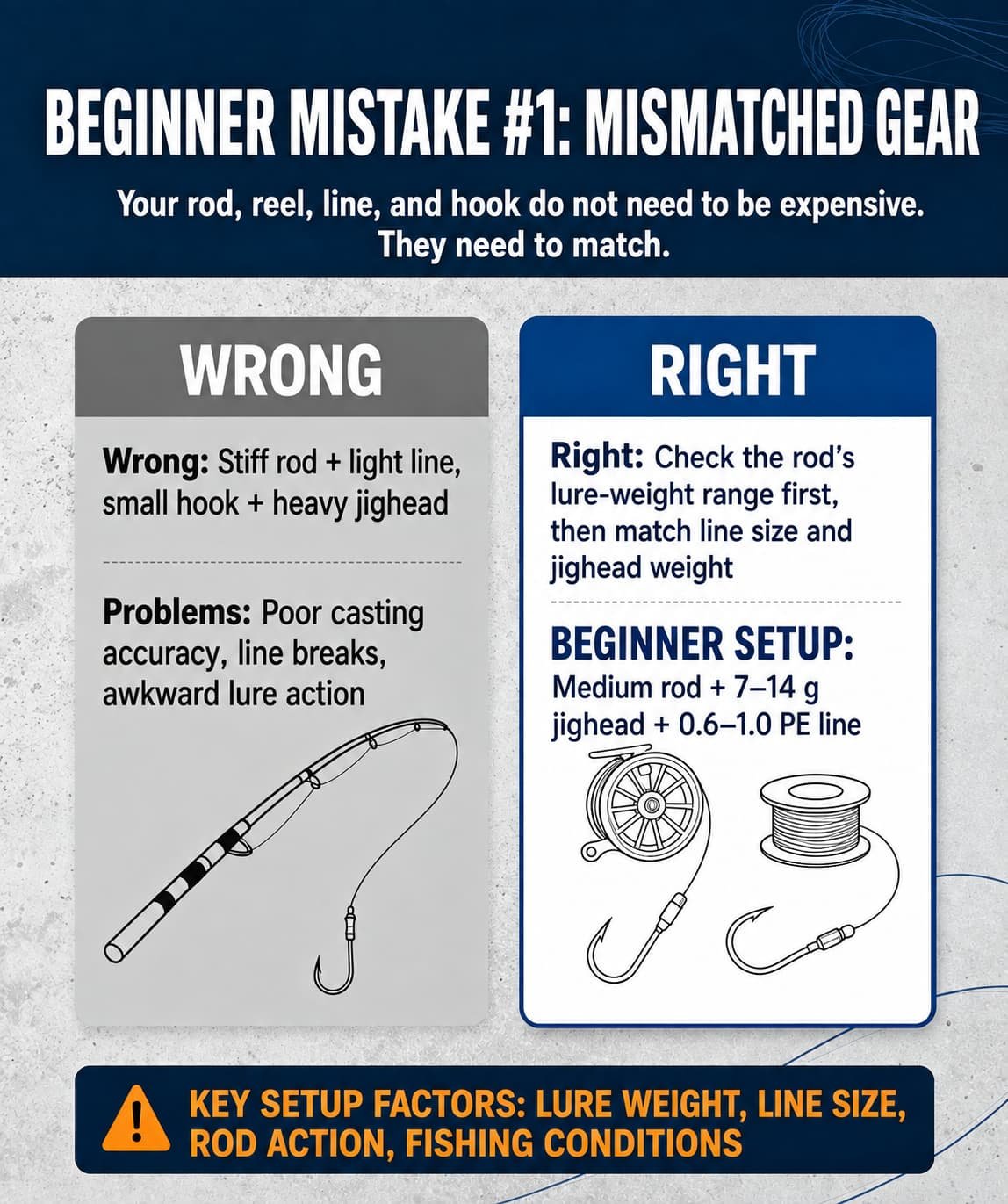
Mismatched tackle can reduce casting accuracy, contribute to line breaks, and make lure movement awkward. A stiff rod paired with light line, or a small hook paired with an unsuitable heavy jighead, can create problems. Start with the rod’s lure-weight rating, then match the line, hook, and jighead to the setup and fishing conditions.
What should you check on the rod before choosing a jighead?
Check the rod’s recommended lure-weight range before selecting a jighead. That rating tells you the lure weights the rod is intended to cast. Then check the line size and hook-and-jighead combination. The aim is a balanced setup that lets you cast accurately and control the lure without an obvious mismatch.
A jighead is a weighted hook used to carry and work a lure. Choose the jighead weight alongside the rod’s rating; do not select the weight in isolation. Hook size also belongs in that check, especially when a small hook is paired with a heavy head.
What beginner tackle combination can you use as a starting point?
A medium-power rod, a 7–14 g jighead, and PE #0.6–1.0 braided line provide one starting combination to consider. Use those figures as a setup example, then check the rod’s actual lure-weight rating and the fishing conditions. The components still need to suit each other before you cast.
The jighead range of 7–14 g is approximately 1/4–1/2 oz. PE #0.6–1.0 is a line-size designation, not a pound-test rating. Check the line manufacturer’s stated breaking strength rather than reading those PE numbers as pounds or kilograms.
How can reeling too fast spoil your retrieve?
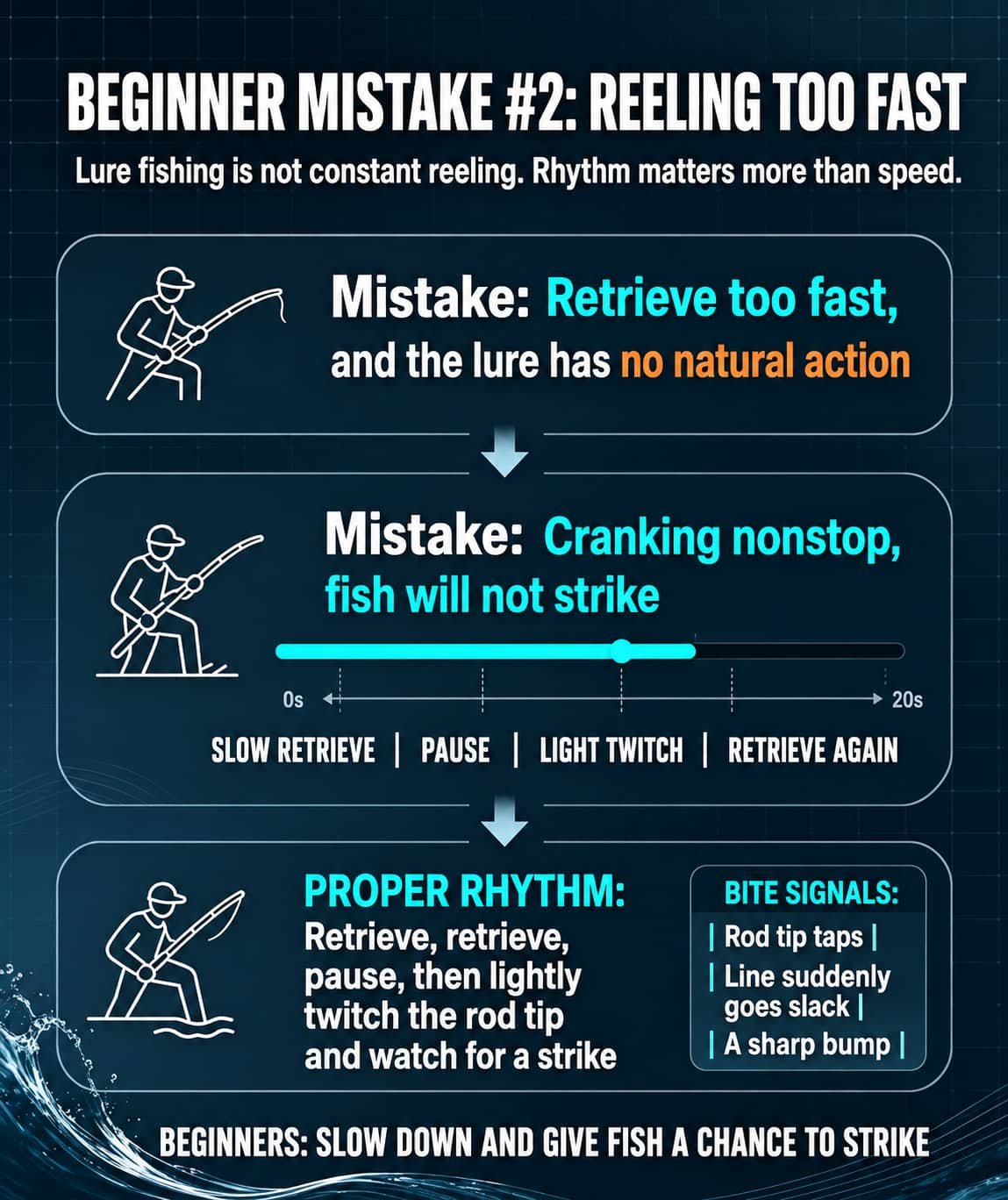
Reeling too fast can make the lure’s movement look unnatural and leave little variation in the presentation. A retrieve is the way you bring the lure back after a cast. For the stop-and-go approach here, use a slow retrieve, pause, add a light rod-tip twitch, and then retrieve again.
How do you work a slow retrieve with pauses and twitches?
Retrieve slowly, stop turning the reel handle, and then give the rod tip a light twitch before resuming the retrieve. A pause means stopping the retrieve; a twitch is a small rod-tip movement that moves the lure. Keep the sequence controlled so you can follow each change in the presentation.
Use this order as a simple practice rhythm:
- Retrieve slowly.
- Pause the retrieve.
- Twitch the rod tip lightly.
- Retrieve again and watch for a strike.
The 0–20-second timeline illustrates the order of the retrieve, pause, and twitch. The sequence does not assign a set duration to each movement, so use the rhythm as a practice guide rather than timing every retrieve to 20 seconds.
What bite signals should you watch for during the retrieve?
Watch for taps at the rod tip, sudden slack in the line, or a sharp bump during the retrieve. Those changes can signal a strike. Watch the line and rod tip during pauses and twitches, and stay alert when you start retrieving again.
How do you choose a likely fish-holding spot before casting?
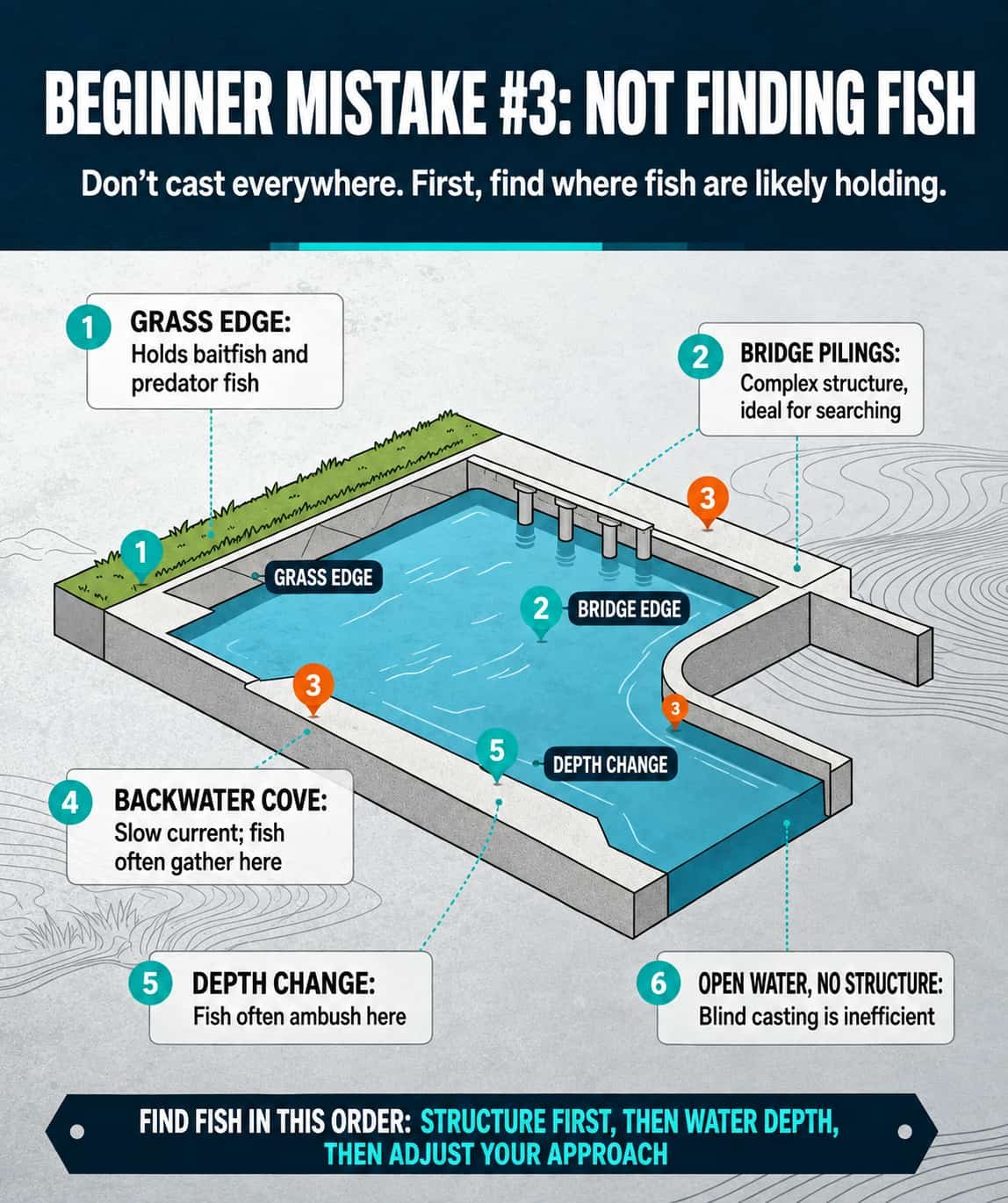
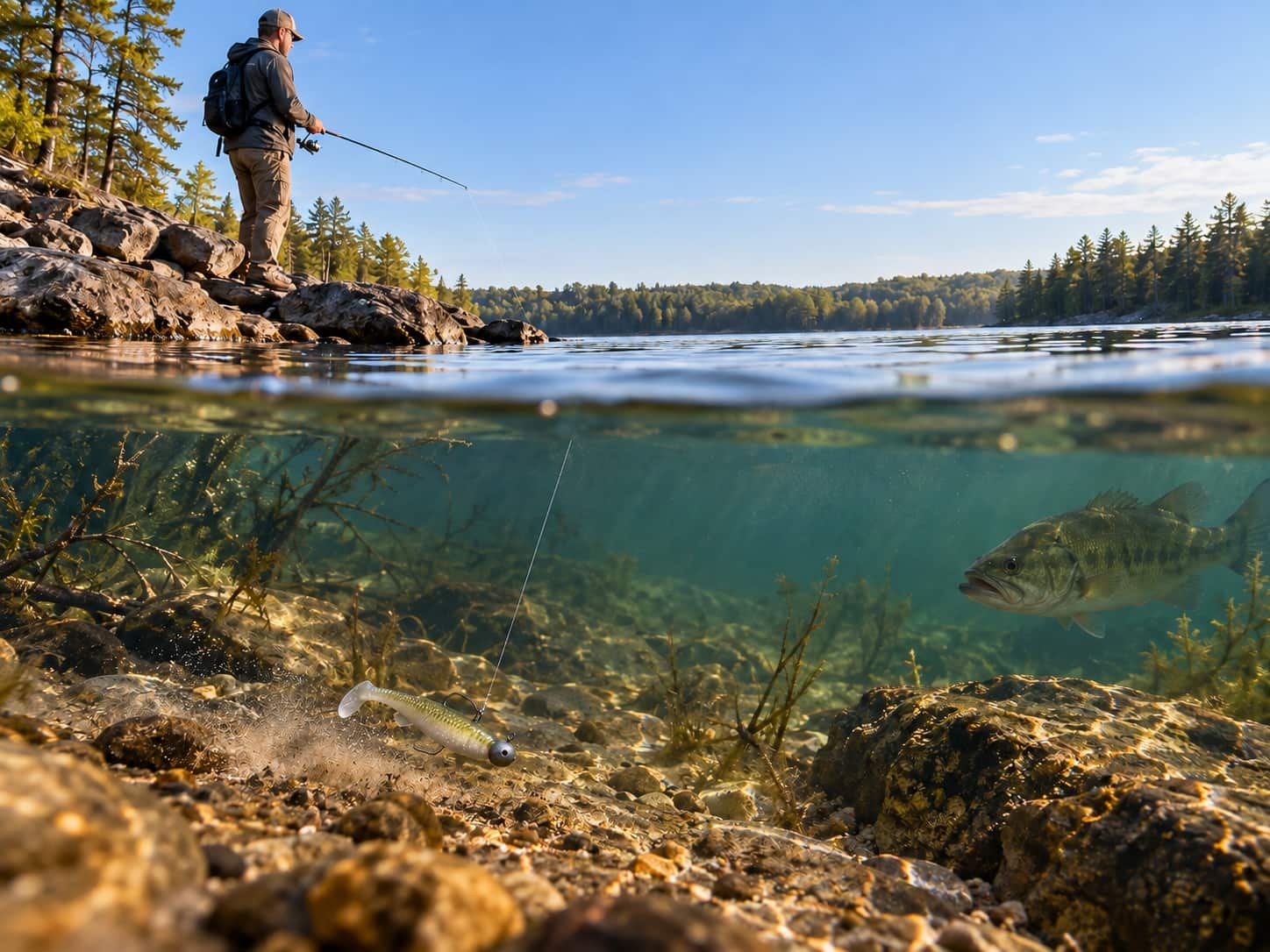
Choose a visible feature before casting across open water without a target. Vegetation edges, bridge pilings, backwater coves, and depth changes offer specific places to search. Start with structure, consider the water depth, and then adjust the presentation. That order makes each cast part of a search instead of a guess.
A fish-holding spot is an area where fish may gather, shelter, or wait to feed. The practical task is to identify a reason for fish to use a location before sending the lure there. A clear target also helps you decide which water to search next.
Why should you check vegetation edges and bridge pilings?
Vegetation edges can hold baitfish and predatory fish, while bridge pilings provide structure worth searching. A vegetation edge is the boundary between aquatic plants and open water. Bridge pilings are the supports beneath a bridge. Both features give a beginner a defined target instead of an undirected cast across open water.
Why should you check backwater coves and depth changes?
Backwater coves offer slower current where fish may gather, while depth changes provide places where fish may wait to ambush prey. A backwater cove is a sheltered pocket away from the main flow. A depth change is a transition between shallower and deeper water. Check both when those features are present.
Before your next cast, check the tackle match, choose a retrieve you can control, and pick a likely holding spot. Those three checks give you a practical way to correct beginner lure fishing mistakes.
More to Explore
Related Articles
More guides in Fishing Techniques
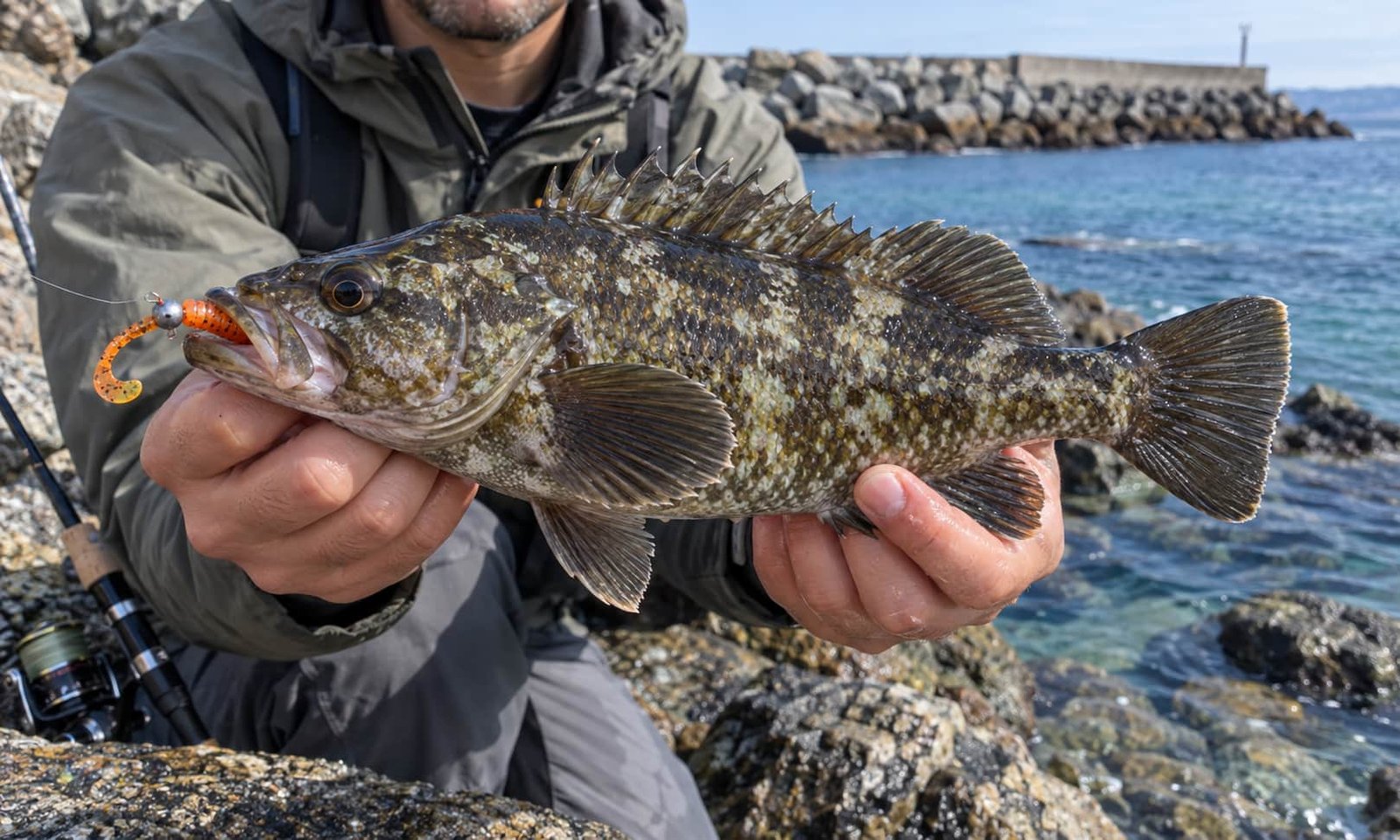
Learn how to catch rockfish from shore by reading the structure first. Target crevices, rocky edges, and the base of breakwaters, then keep your soft plastic close to the bottom where fish are likely to hold.
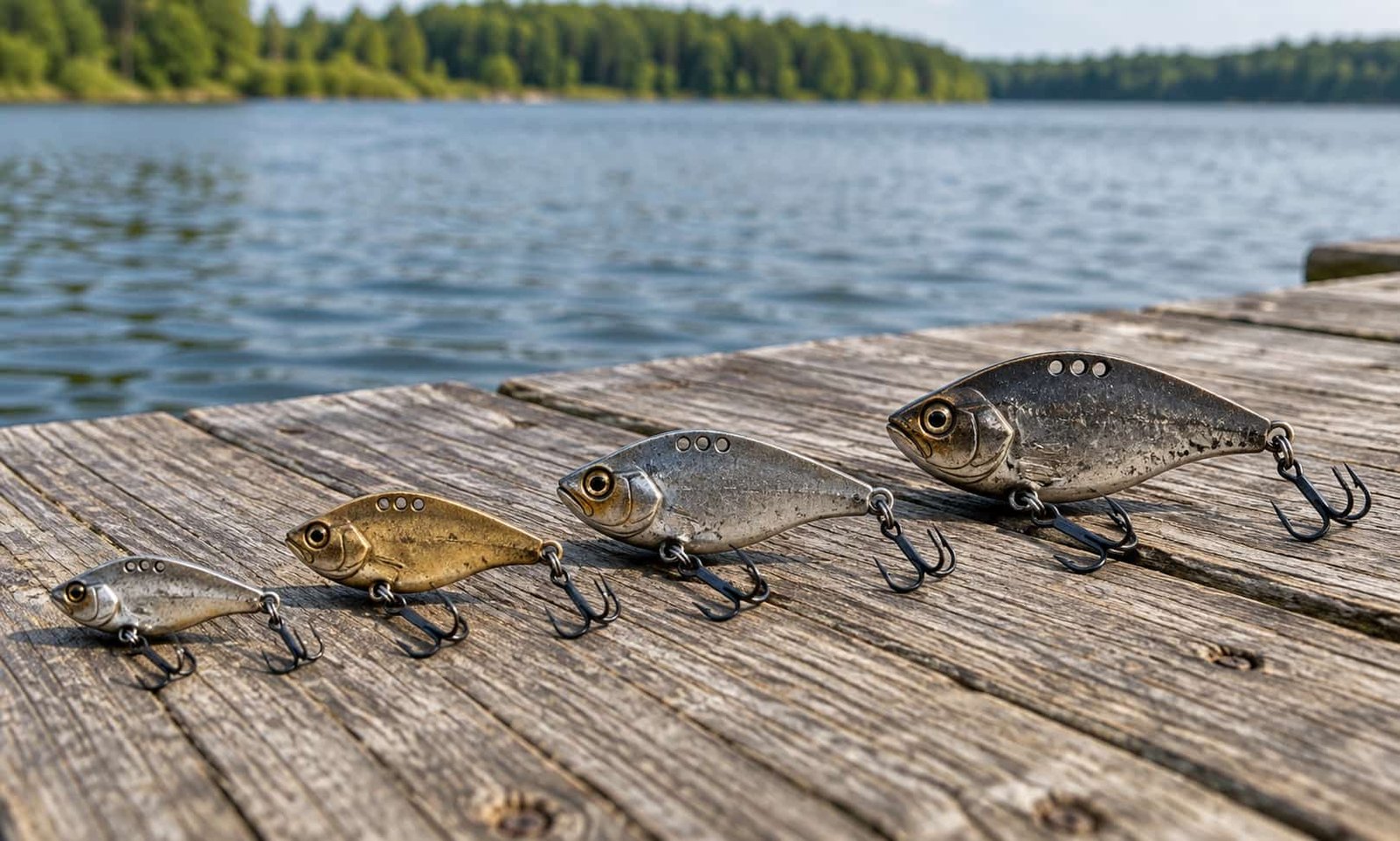
Learn how to choose a blade bait by weight, vibration, flash, and profile. See how a thin body affects the action and how to work the lure effectively.
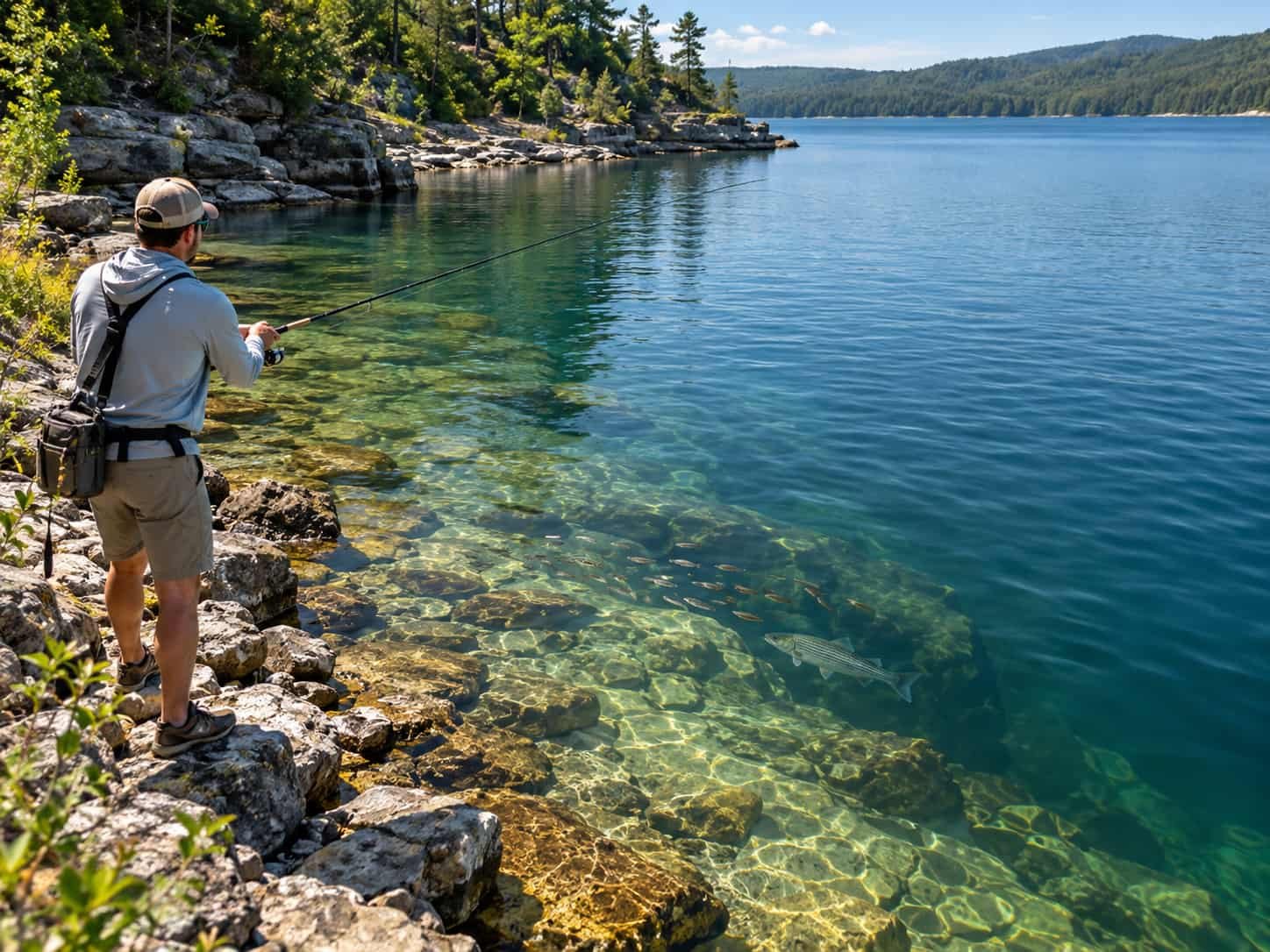
Learn how to find fish in new water with a metal jig, a slow bottom search, and a closer look at the shallow-to-deep break.
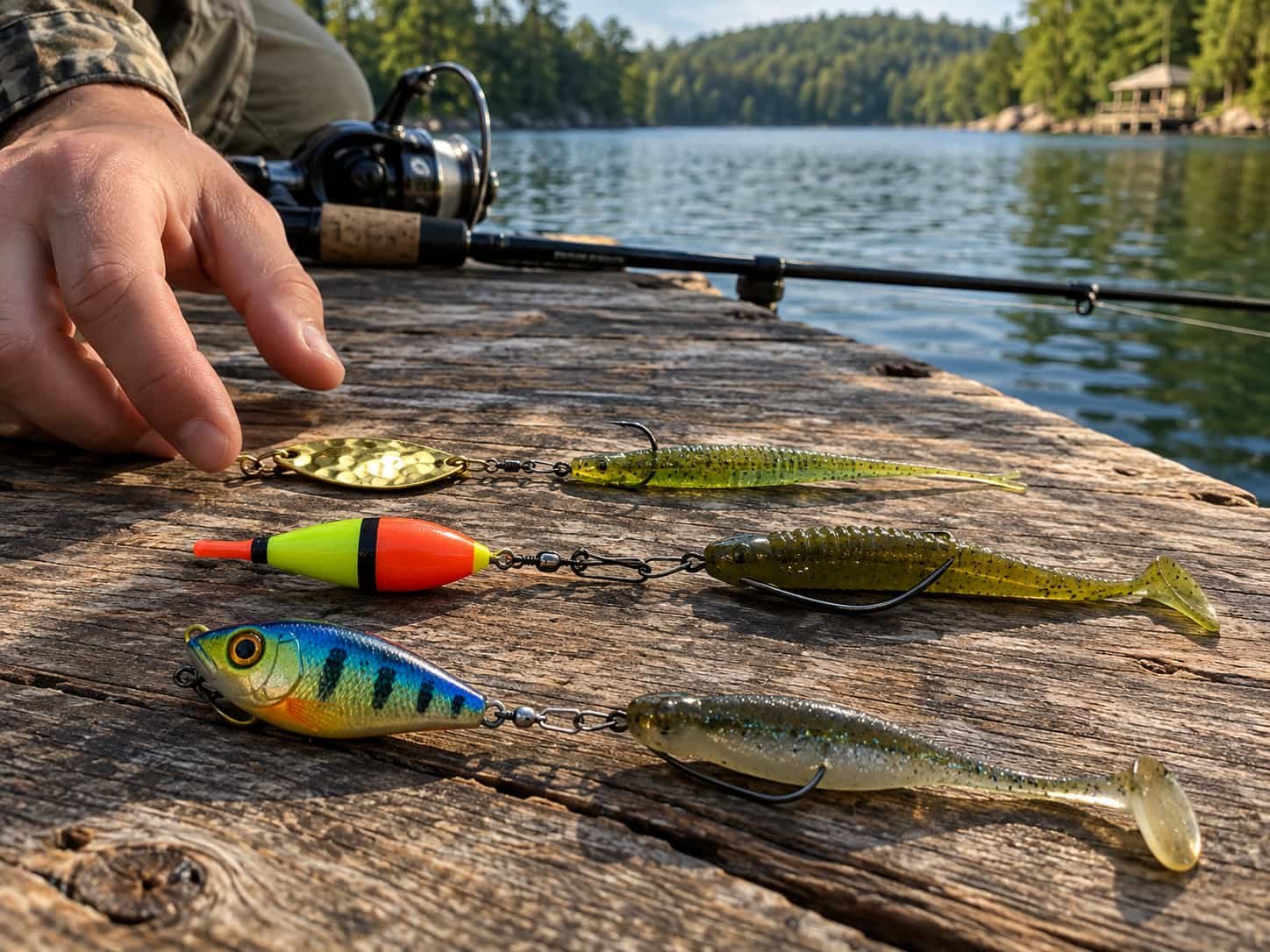
These weird fishing rigs combine hard baits and soft plastics in unexpected ways. See how each setup is built and whether one fits your next trip.
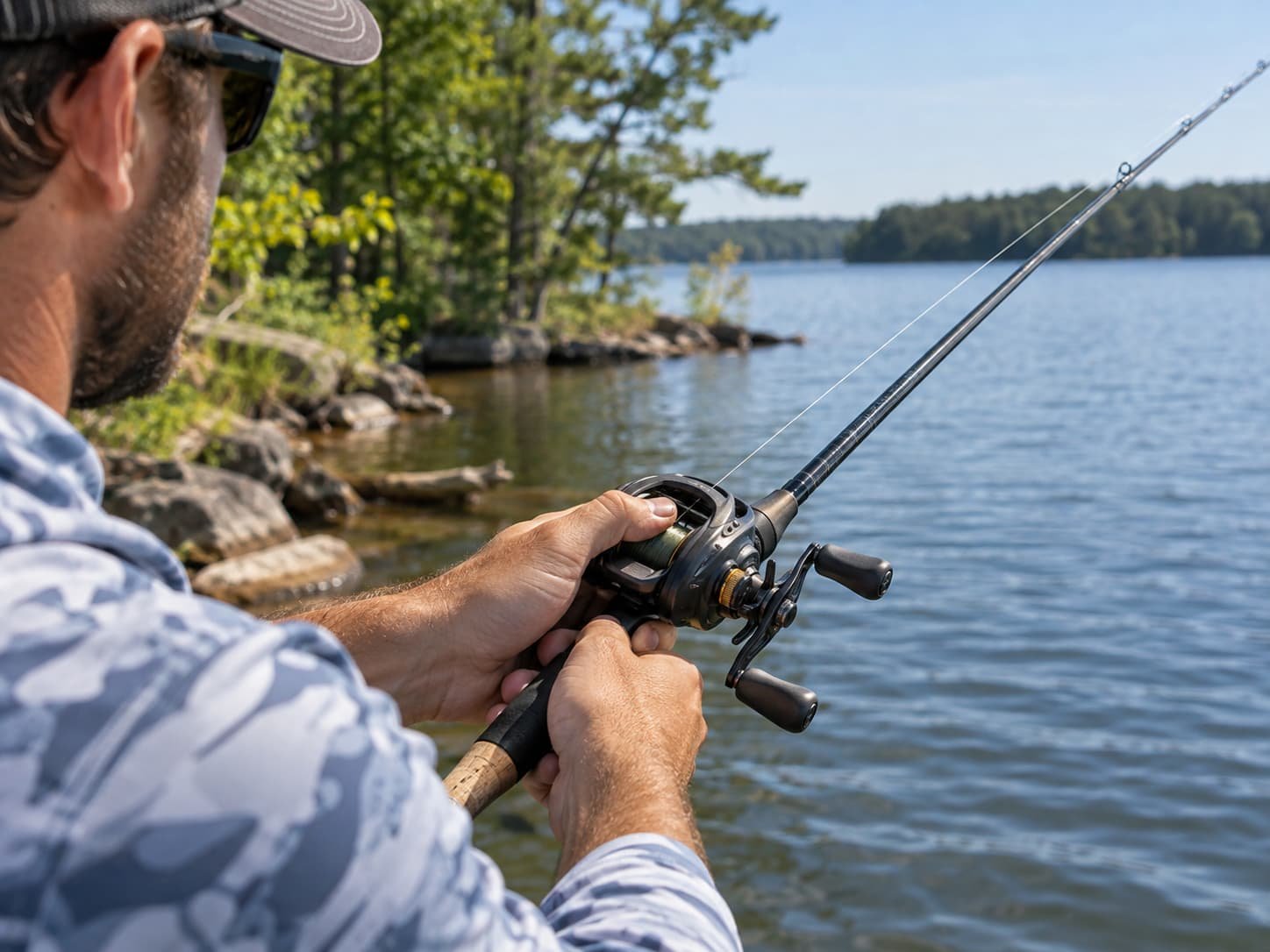
New to baitcasting? Learn how to prevent backlash on a baitcaster by setting the brakes, adjusting spool tension, and feathering the spool with your thumb.
New bank, different cover? Learn lure fishing rigs for beginners and when to use a jighead, Texas rig, drop shot, Carolina rig, or minnow lure.
Learn how to retrieve fishing lures by reading fish behavior. From sharp jerks to slow drags, adjust your presentation and make every move count.
See how to cast a spinning reel from start to finish: hold the line, open the bail, swing forward, and use your finger to control where the lure lands.