How should beginners choose soft lures for lure fishing?

- Category
- Fishing lure
- Date
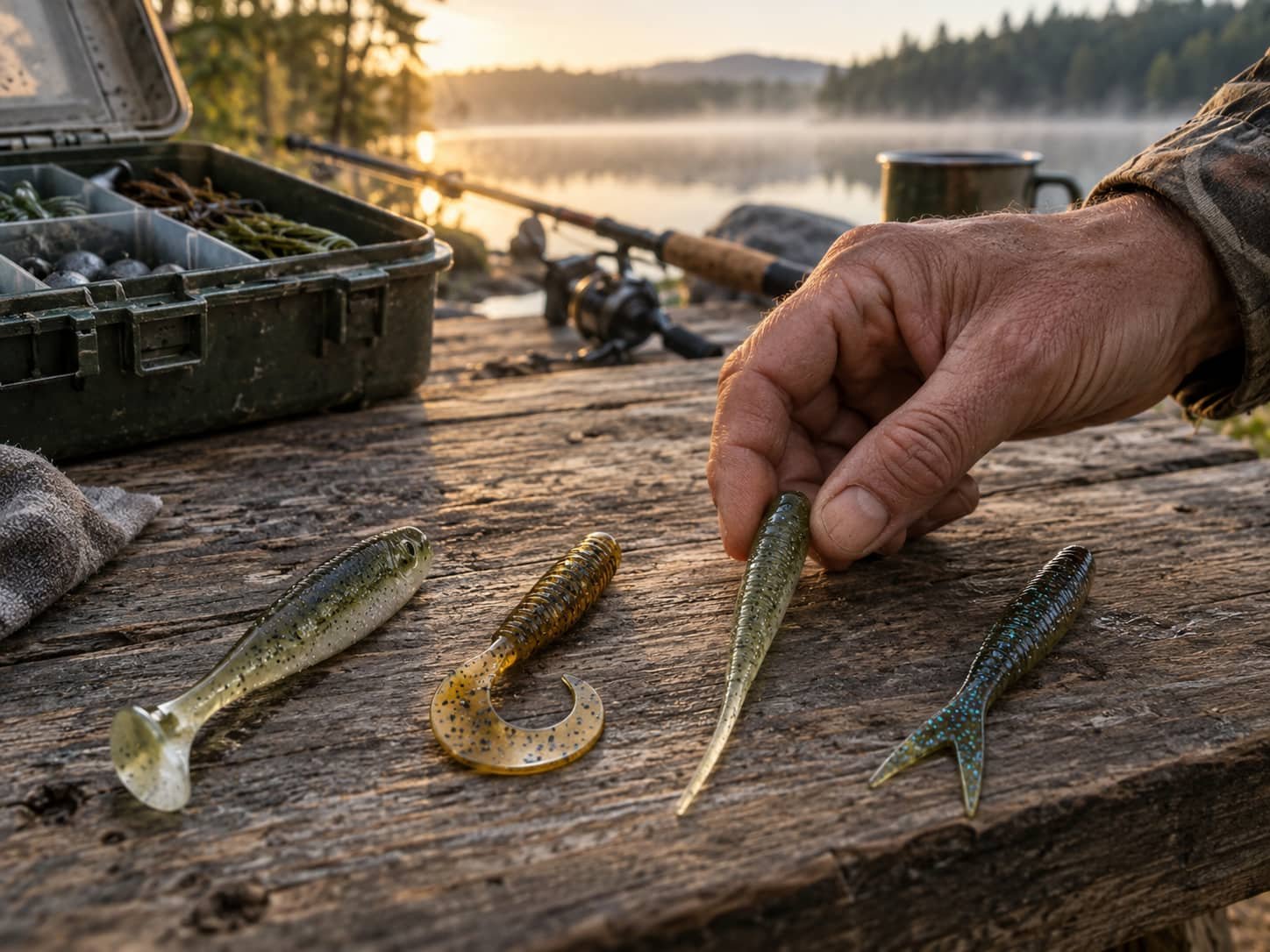
A lot of beginners choose soft-plastic lures by color first, but the tail design and the way the bait moves often matter more once it hits the water.
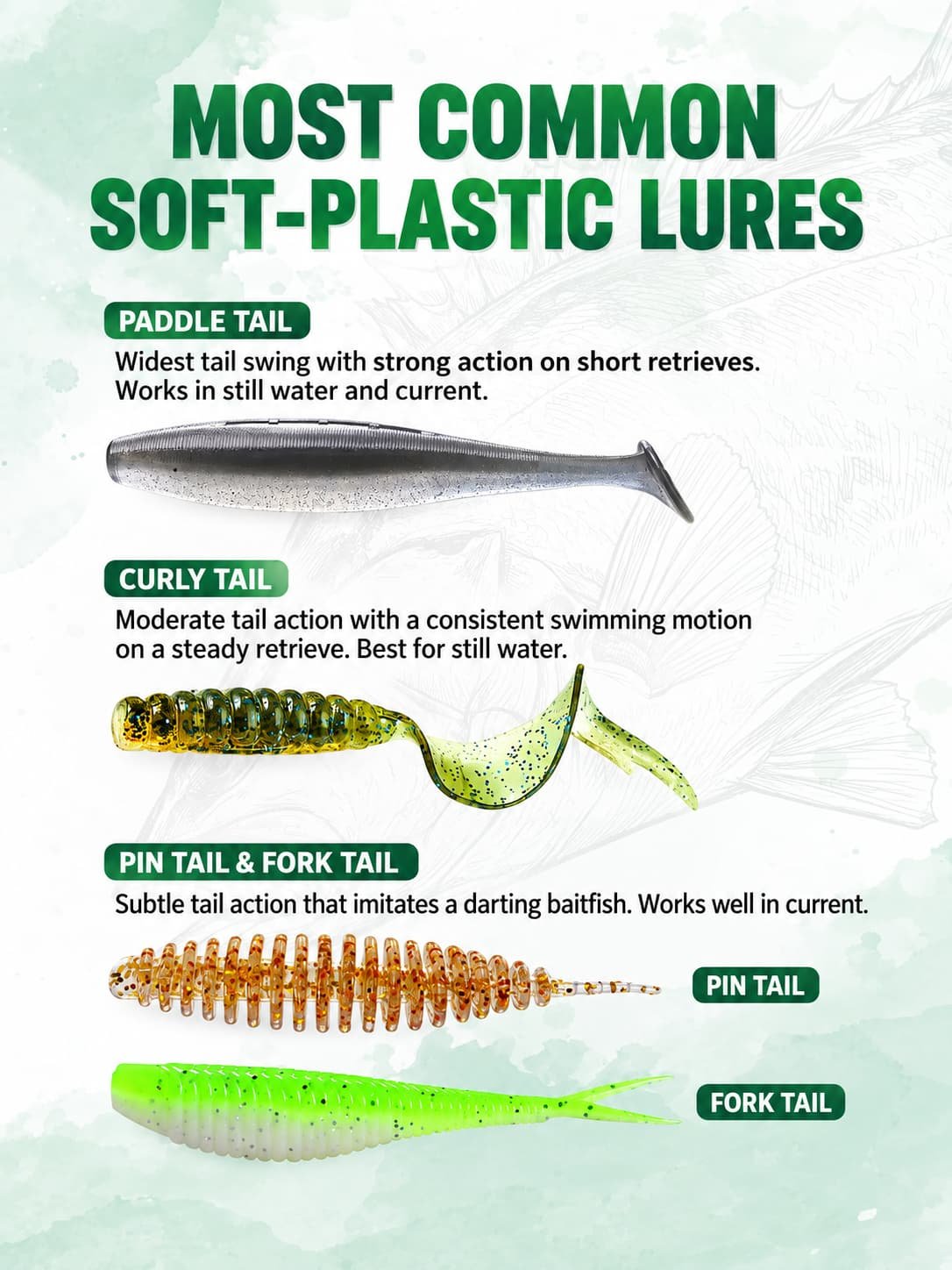
A paddle tail gives off noticeable vibration, a curly tail keeps working even at slower speeds, and a pin tail offers a much subtler presentation when fish are cautious or pressured. Each profile has its own job.
Learn how these soft baits move, then match the tail style to the water, retrieve speed, and mood of the fish. Choosing the right action will usually do more for your presentation than simply switching colors.
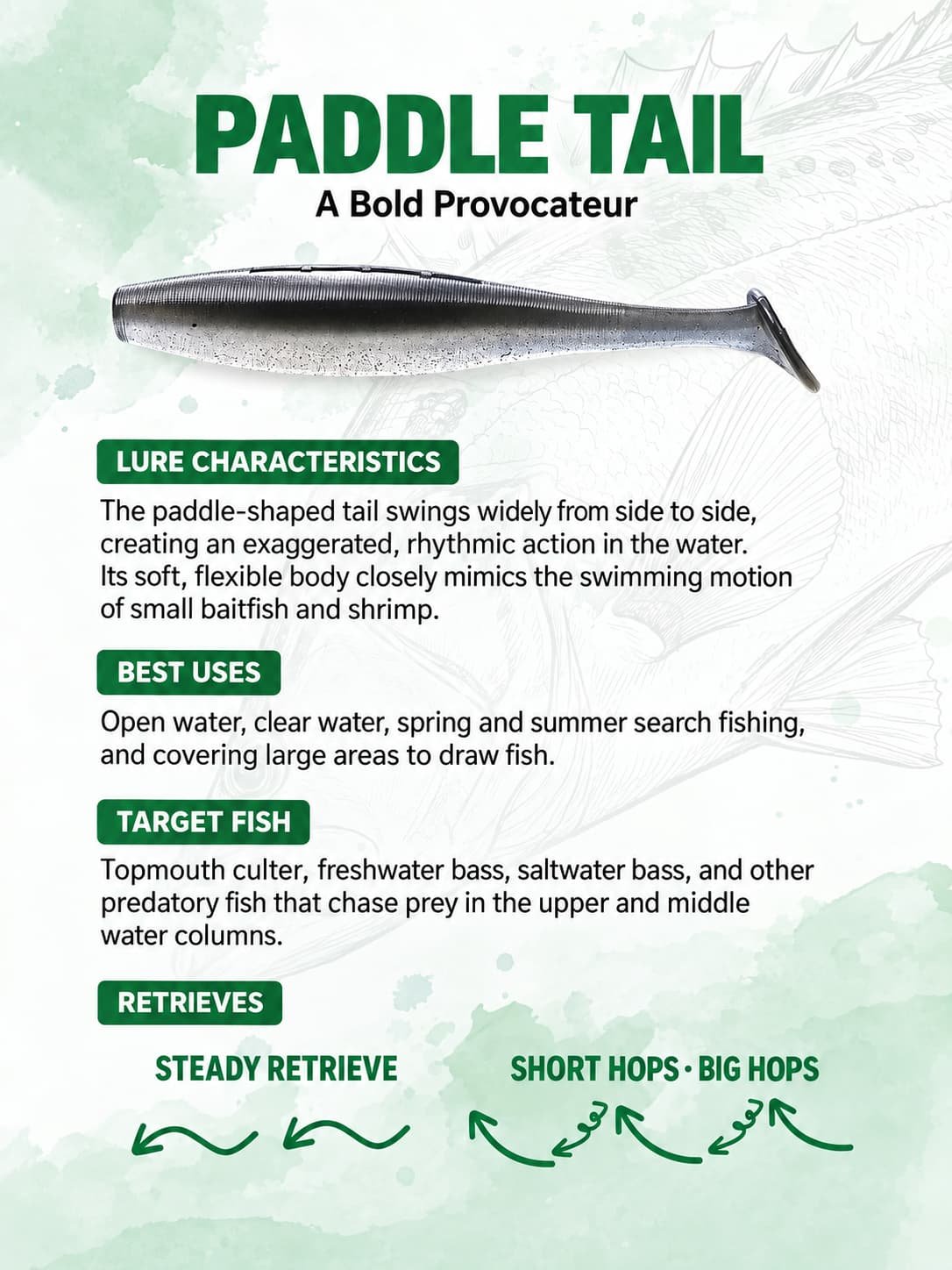
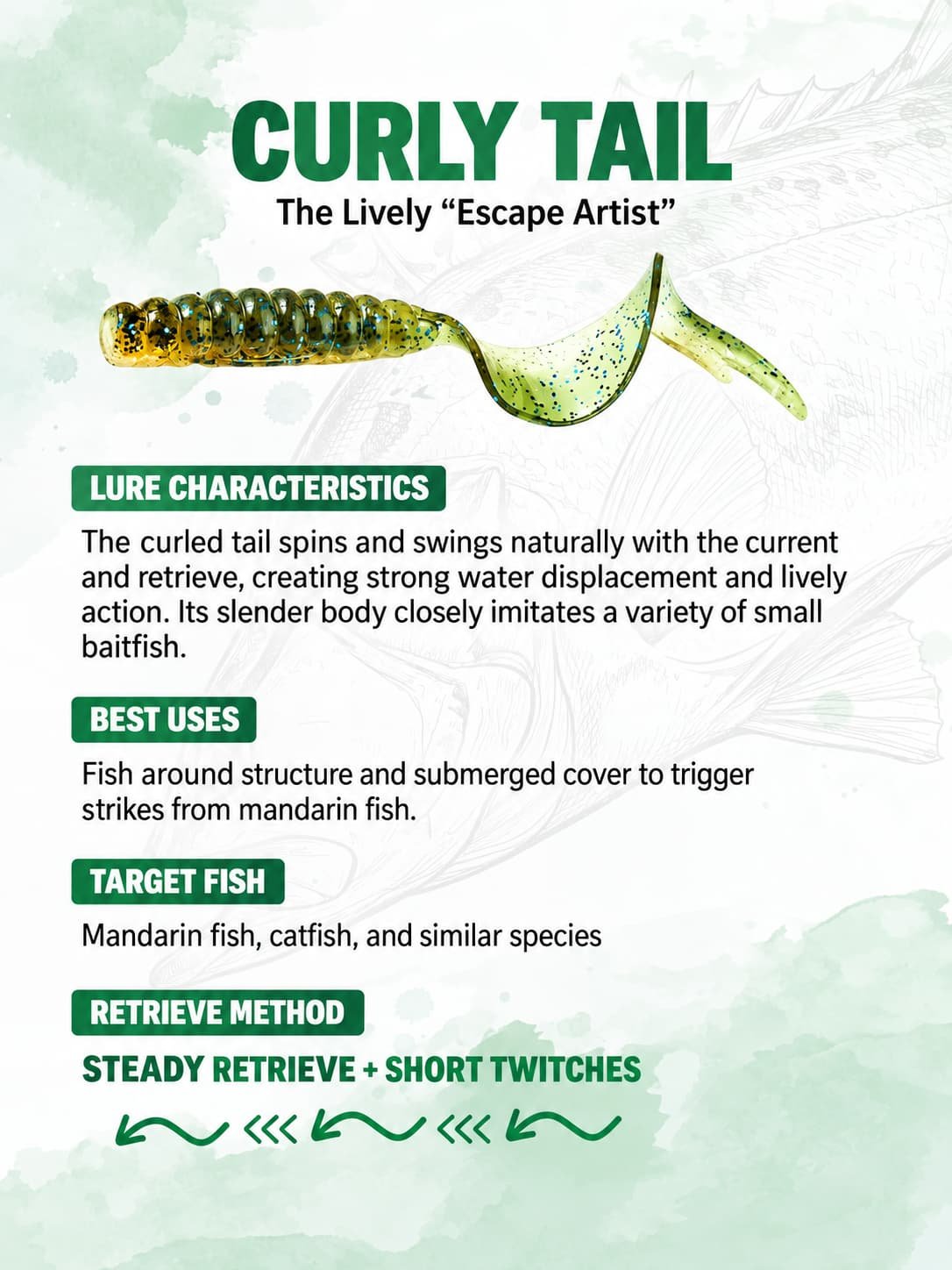
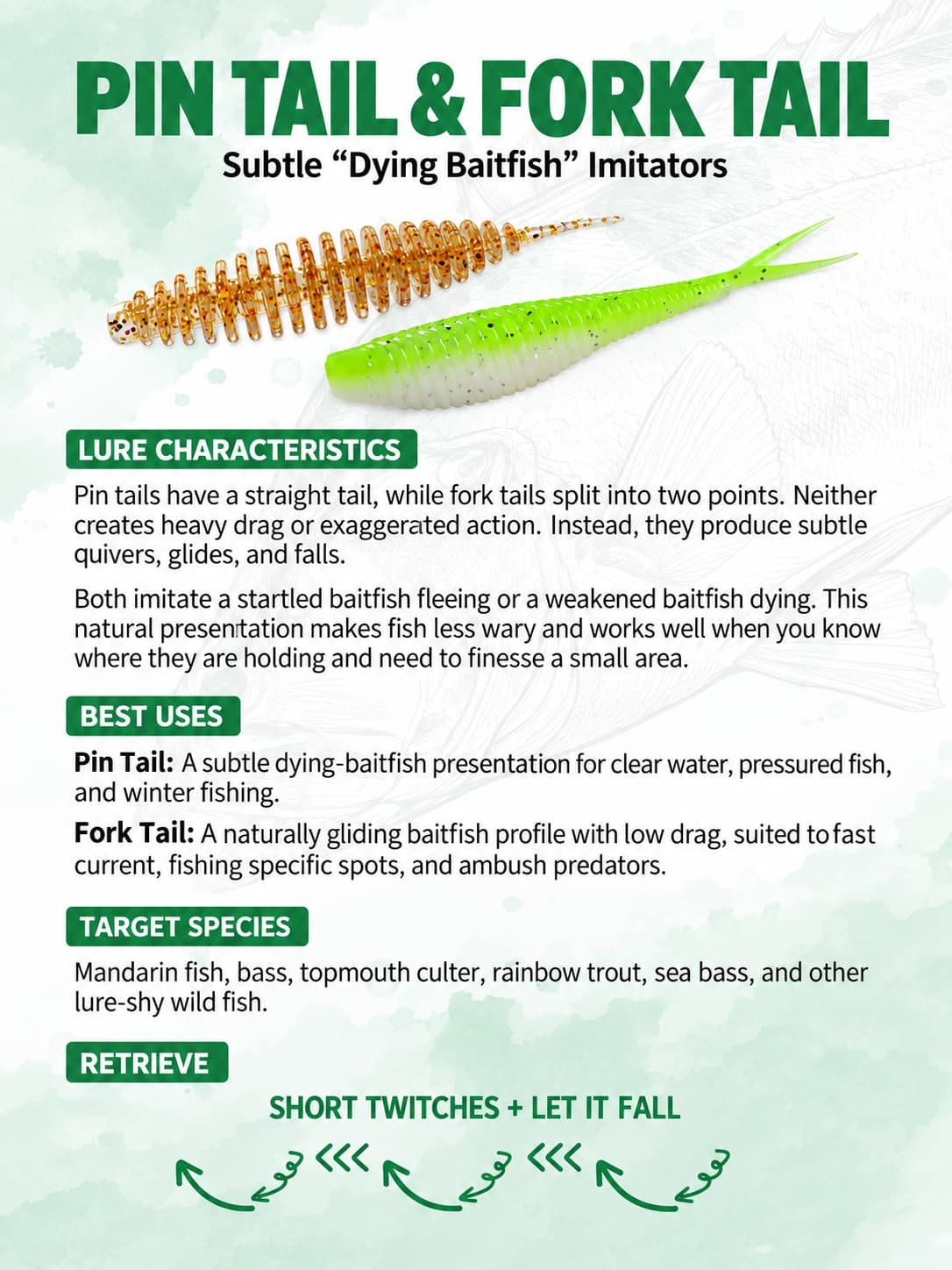
| Image | Lure Type | Action | Best Uses | Target Species | Retrieve |
|---|---|---|---|---|---|
| 1 | Soft-Plastic Lure Overview | Paddle tails create strong vibration; curly tails produce steady action; pin tails and fork tails offer subtle baitfish movement | Choose according to current, water clarity, fish activity, and fishing pressure | Depends on the lure style and fishing conditions | Adjust retrieve speed, twitches, and pauses to match the tail design |
| 2 | Paddle Tail | The paddle-shaped tail swings widely from side to side, creating strong vibration. The soft body imitates small baitfish and shrimp | Open water, clear water, spring and summer search fishing, and covering large areas | Topmouth culter, freshwater bass, saltwater bass, and other predators feeding in the upper and middle water columns | Steady retrieve, short hops, or big hops |
| 3 | Curly Tail | The curled tail spins and swings with the current or retrieve, creating water displacement and lively action | Around structure and submerged cover where predatory fish ambush prey | Mandarin fish, catfish, and similar species | Steady retrieve with short twitches |
| 4 | Pin Tail | The straight tail produces subtle quivers, glides, and falls that imitate a weak or dying baitfish | Clear water, pressured fish, winter fishing, and small areas where fish locations are known | Mandarin fish, bass, topmouth culter, rainbow trout, sea bass, and other lure-shy fish | Short twitches followed by a natural fall |
| 5 | Fork Tail | The split tail has low drag and glides naturally like a fleeing baitfish | Fast current, fishing specific spots, and targeting ambush predators | Mandarin fish, bass, topmouth culter, rainbow trout, sea bass, and other lure-shy fish | Short twitches followed by a natural fall |
More to Explore
Related Articles
More guides in Fishing lure
Favorite lure color not getting bites? Learn how to choose lure colors for water clarity, light, and fish activity, from bright soft plastics to natural baitfish patterns.
Compare the best lures for trophy fish in plain English. See how six options move, where they work best, and which ones fit your next trip.
Learn how to fish a popper lure, from picking a weight for shallow or open water to working the surface with short twitches and pauses.
Hard baits vs soft baits explained through four fishing situations. See what to cast in open water, heavy cover, or murky water.
Learn how to choose flies for fly fishing by reading the water, matching the hatch, and picking the right fly size and color for each situation.
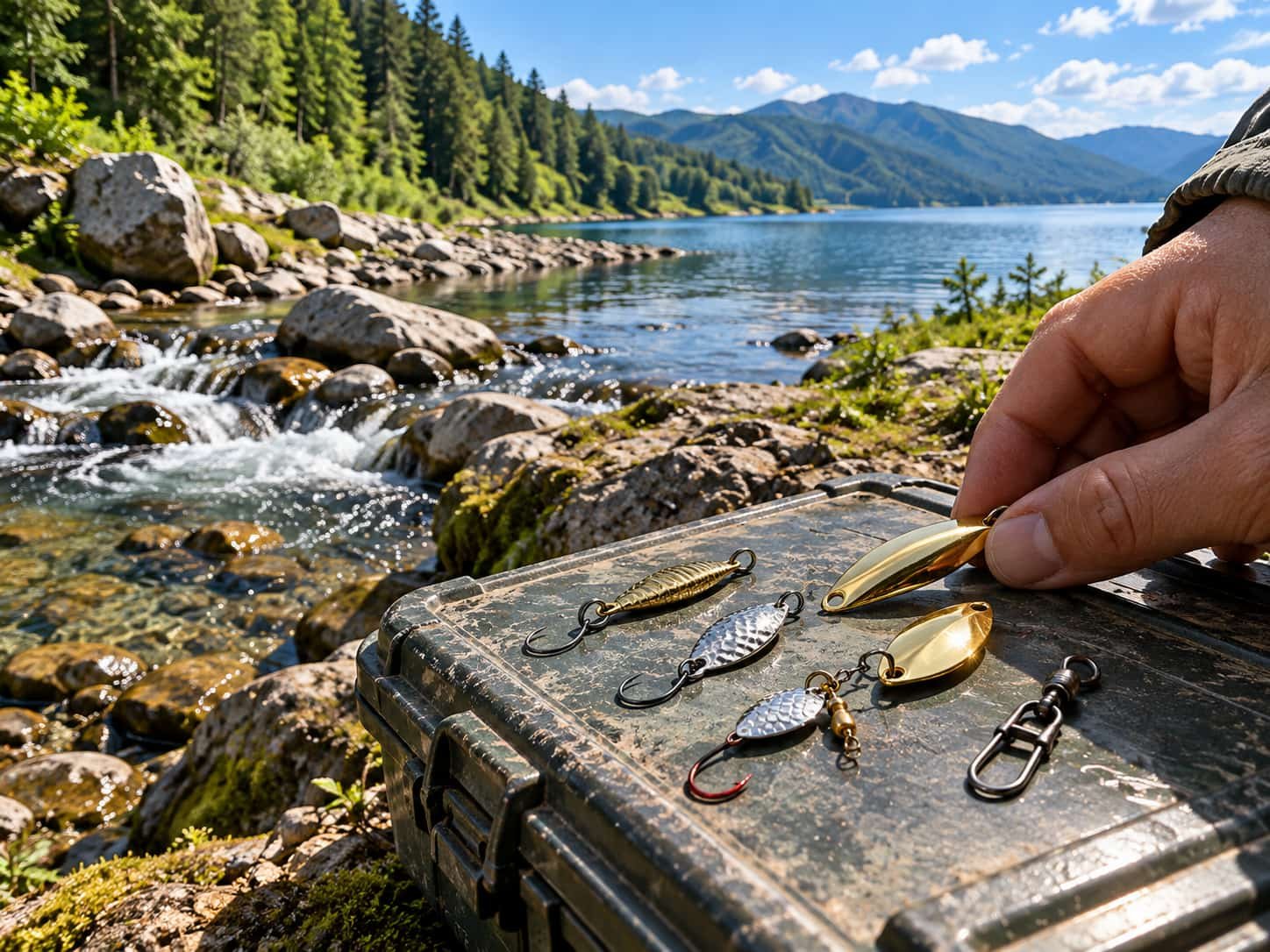
Learn how to choose micro spoons by shape, depth, and current so you can match your lure to the water before your first cast.
See how the best micro fishing lures compare, from versatile metal jigs to more technical options that take a little practice. Learn where each lure fits best and choose your next one with more confidence.
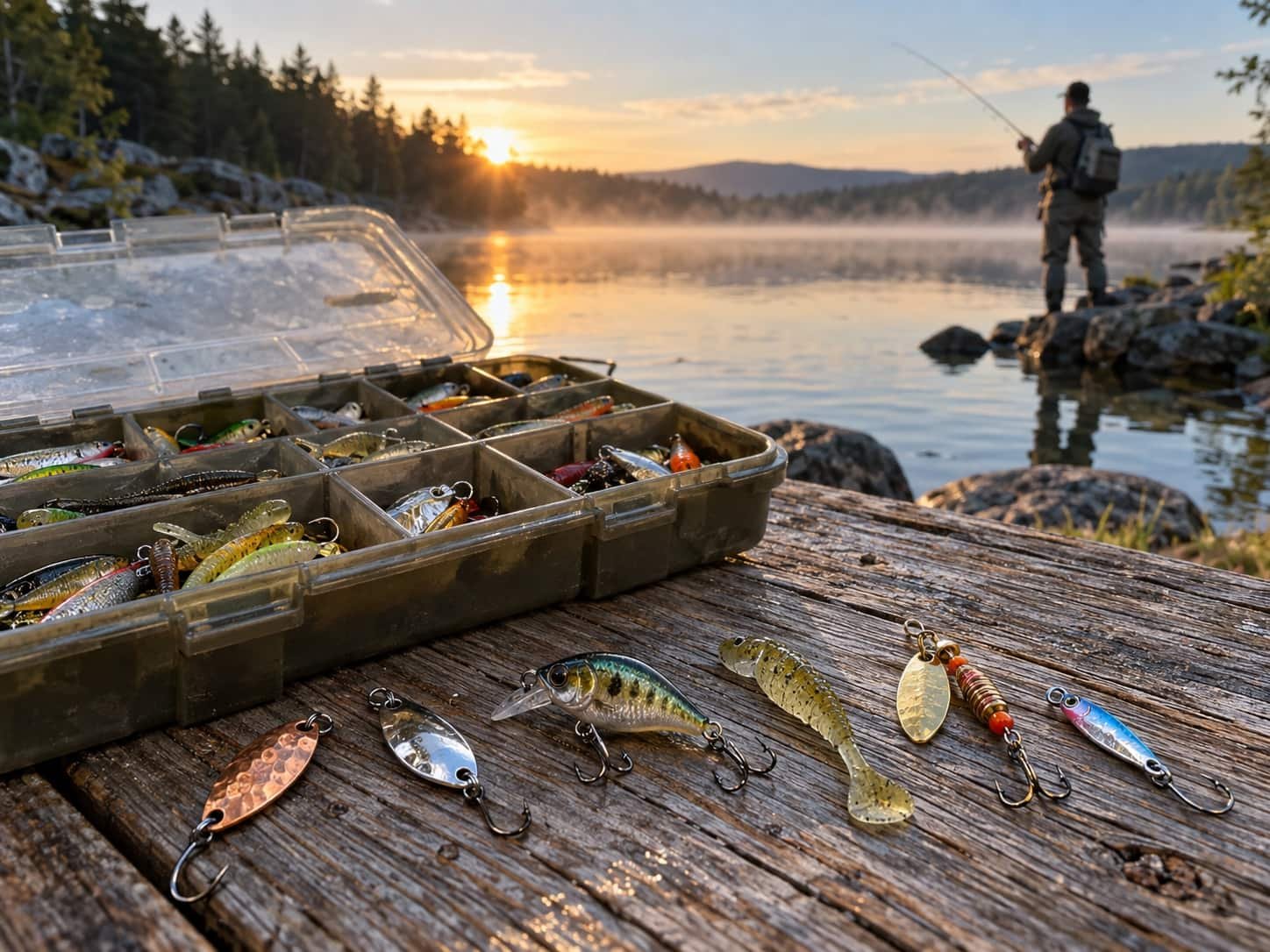
Not sure which lure to start with? This guide breaks down the best fishing lures for beginners and explains four simple, proven options that are easy to learn and worth keeping in your tackle box.