Hard Baits vs Soft Baits Fish Won’t Bite? When to Switch
- Category
- Fishing lure
- Date
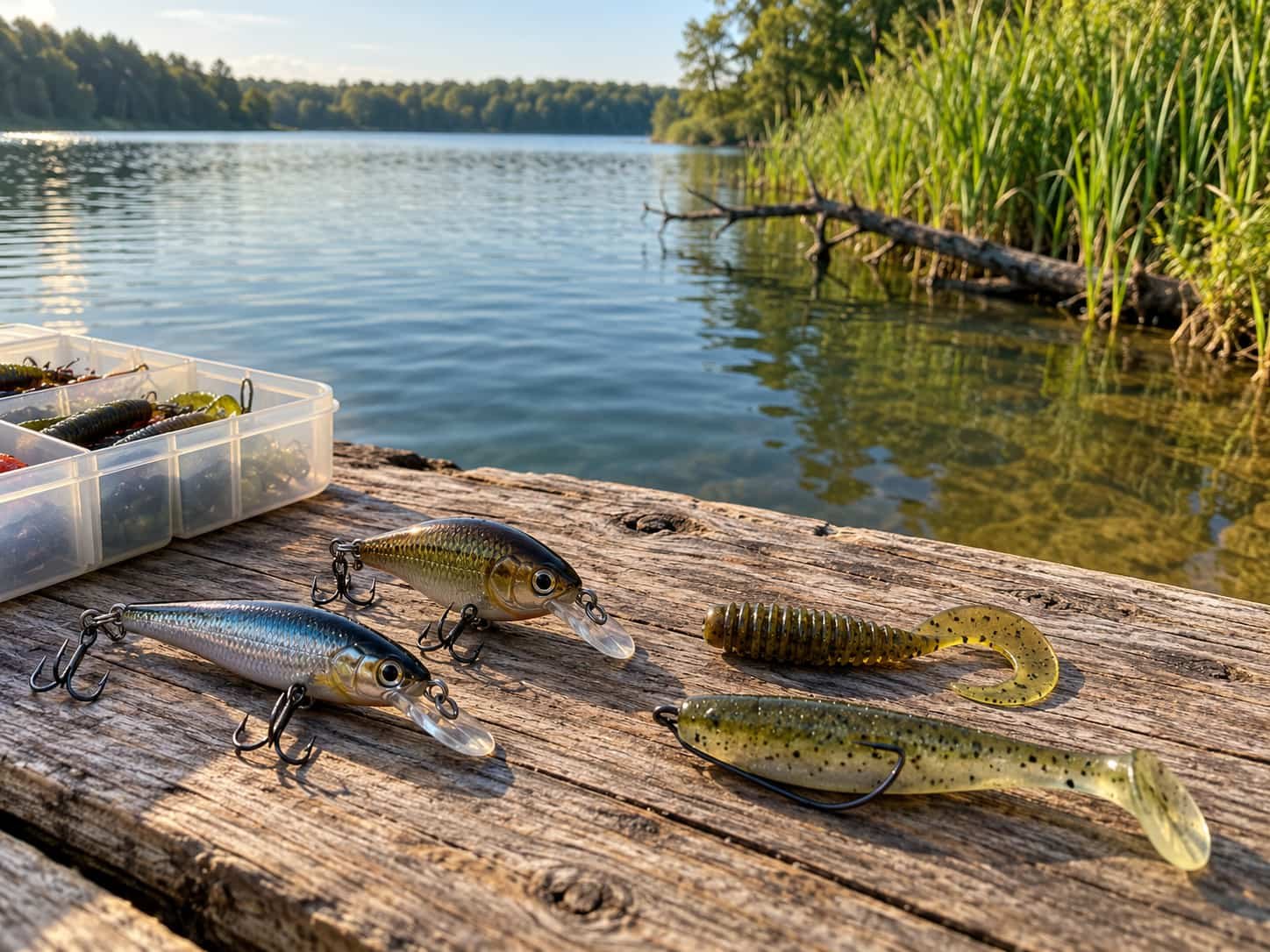
Before your next cast, take a quick look at the cover, water clarity, and how fish are reacting to your lure. Those clues can point you toward a better starting choice.
When comparing hard baits vs soft baits, think about how each one fits the water in front of you. Hard baits are useful for covering open water and finding active fish, while weedless soft plastics can work through grass, brush, and fallen timber with fewer hang-ups.
Use the guide below to match your lure style, rigging, and retrieve to the conditions instead of choosing by habit alone.
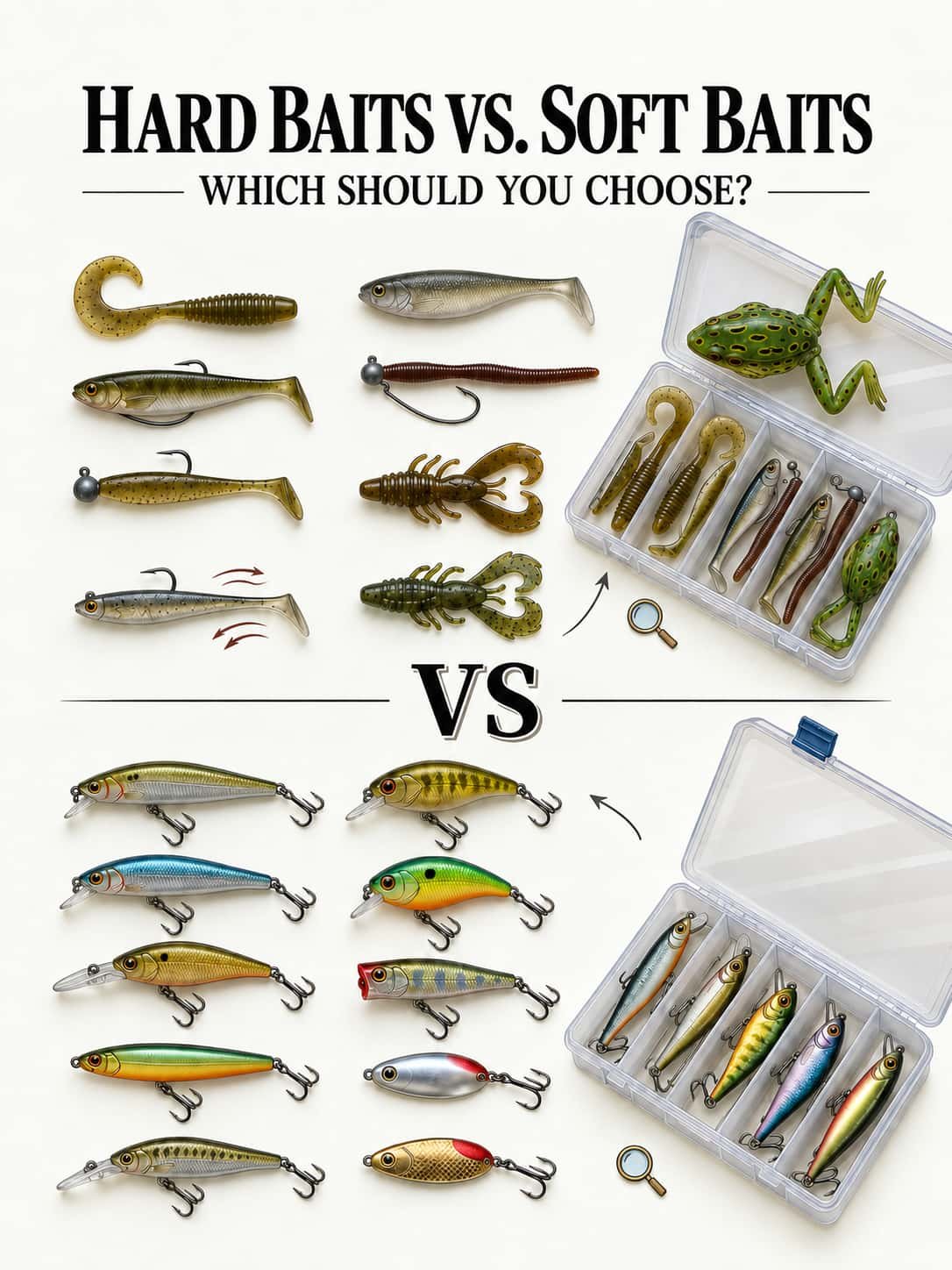
| Topic | Content |
|---|---|
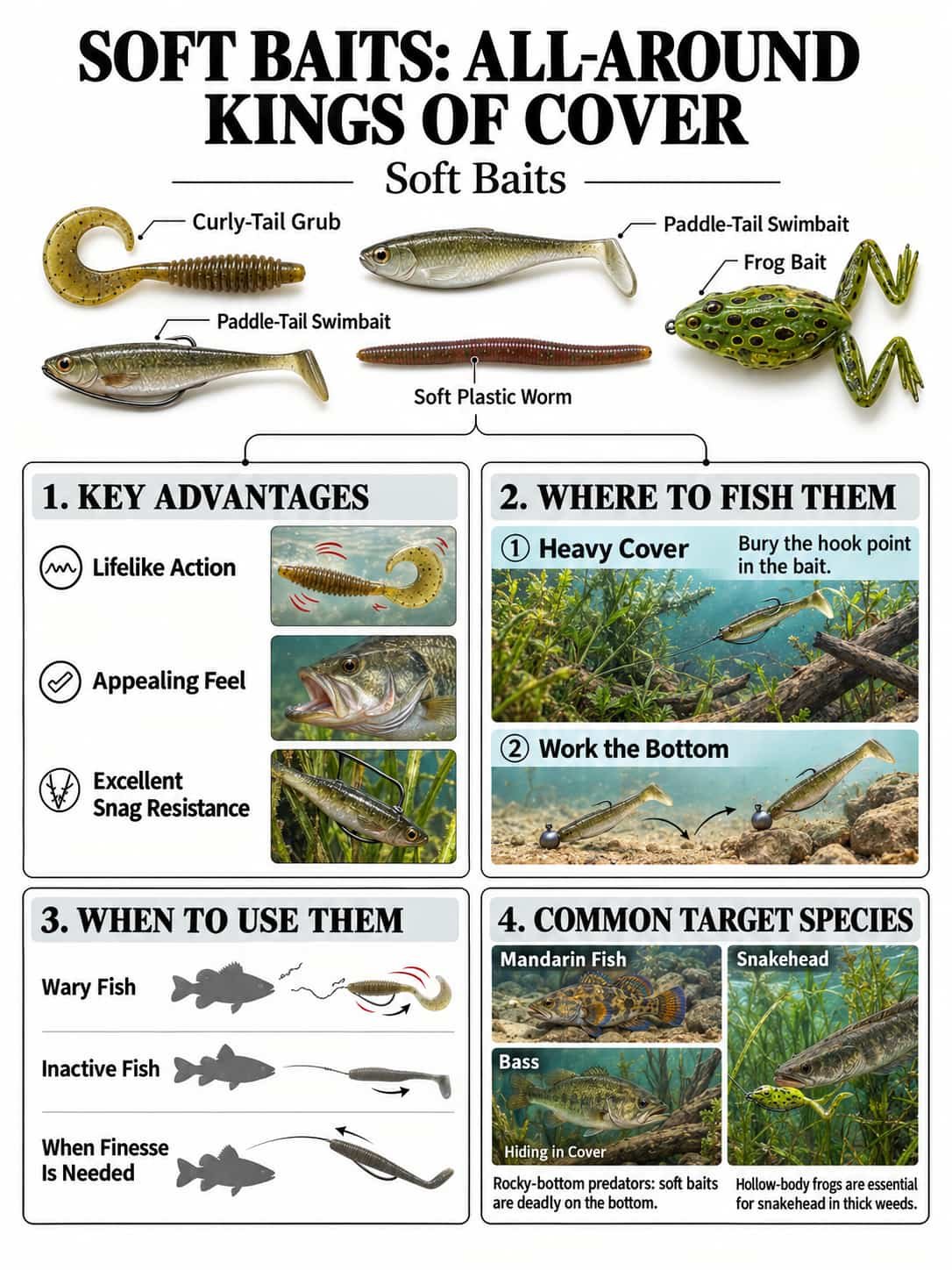
| Bait types | Curly-tail grubs, paddle-tail swimbaits, soft plastic worms, and frog baits. |
| Key advantages | Lifelike action, an appealing feel, and excellent snag resistance. |
| Fishing heavy cover | Fish around fallen timber, weeds, and aquatic vegetation. The hook point can be buried in the bait for a weedless presentation. |
| Working the bottom | Keep the bait near the bottom. The illustration shows a jighead-rigged soft bait hopping over rocky bottom. |
| When to use them | When fish are wary or inactive, or when a finesse presentation is needed. |
| Mandarin fish and bass | The illustrations show mandarin fish around rocky bottom and bass holding in cover. The caption highlights the effectiveness of bottom-fished soft baits. |
| Snakehead | The illustration shows a snakehead in aquatic vegetation. The caption recommends hollow-body frogs for fishing thick weeds. |
| Topic | Content |
|---|---|
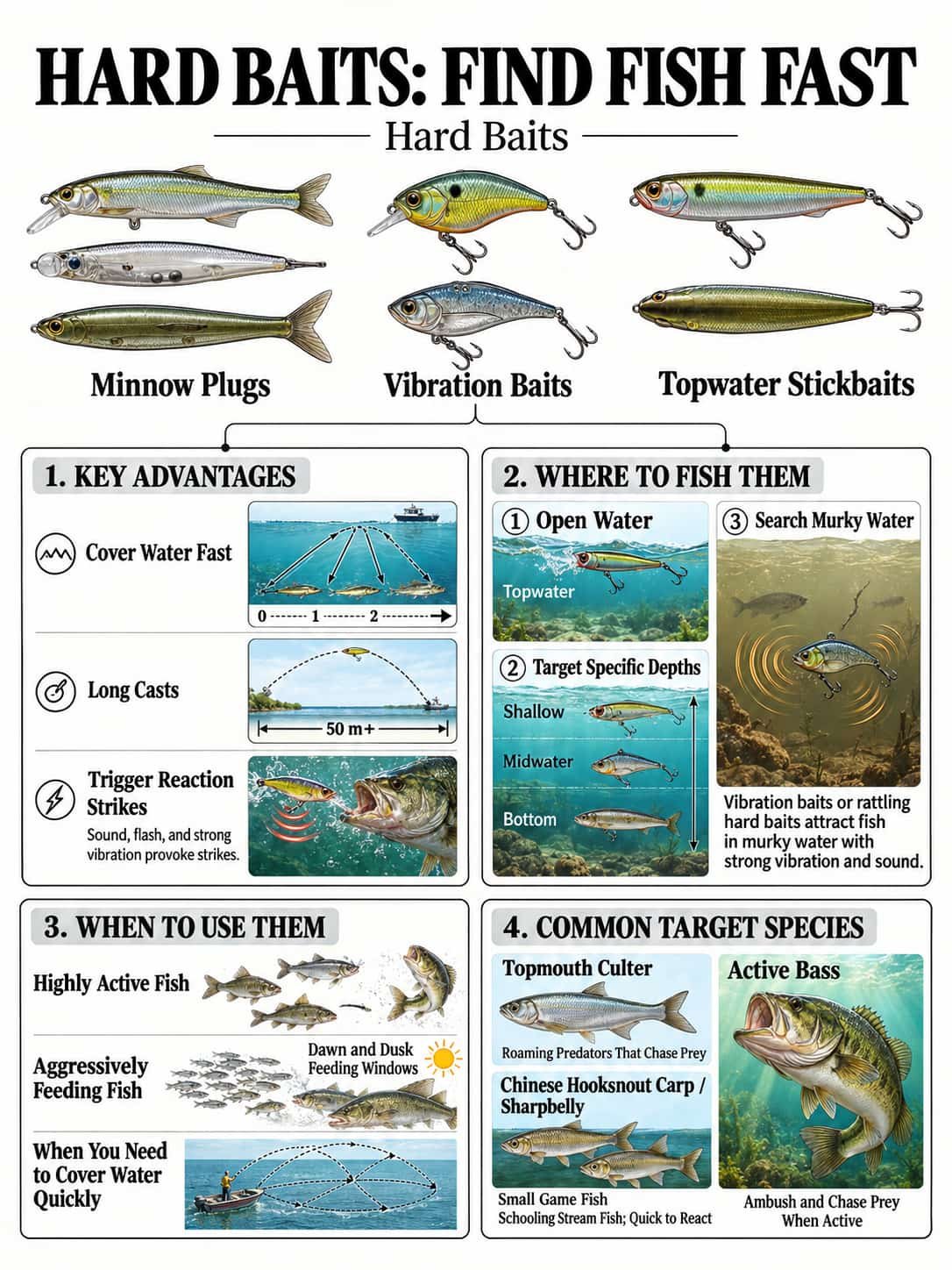
| Lure categories | Minnow plugs, vibration baits, and topwater stickbaits. |
| Finding fish quickly | Cover water efficiently. The illustration shows fan casting to search an area. |
| Casting distance | The casting diagram shows 50 m+. |
| Triggering strikes | Sound, flash, and strong vibration help trigger reaction strikes. |
| Open water | Fish in open water; the illustration shows a topwater lure. |
| Targeting specific depths | The diagram shows three zones: shallow water, midwater, and the bottom. |
| Murky water | Vibration baits or rattling hard baits attract fish through strong vibration and sound. |
| When to use them | When fish are highly active or feeding aggressively, during dawn and dusk feeding windows, or when you need to cover a large area quickly. |
| Topmouth culter | Roaming predators that chase prey. |
| Chinese hooksnout carp / sharpbelly | Small game fish that school in streams and react quickly. |
| Active bass | Fish that ambush or chase prey when actively feeding. |
| Fishing Scenario | Lure Choice | Presentation |
|---|---|---|
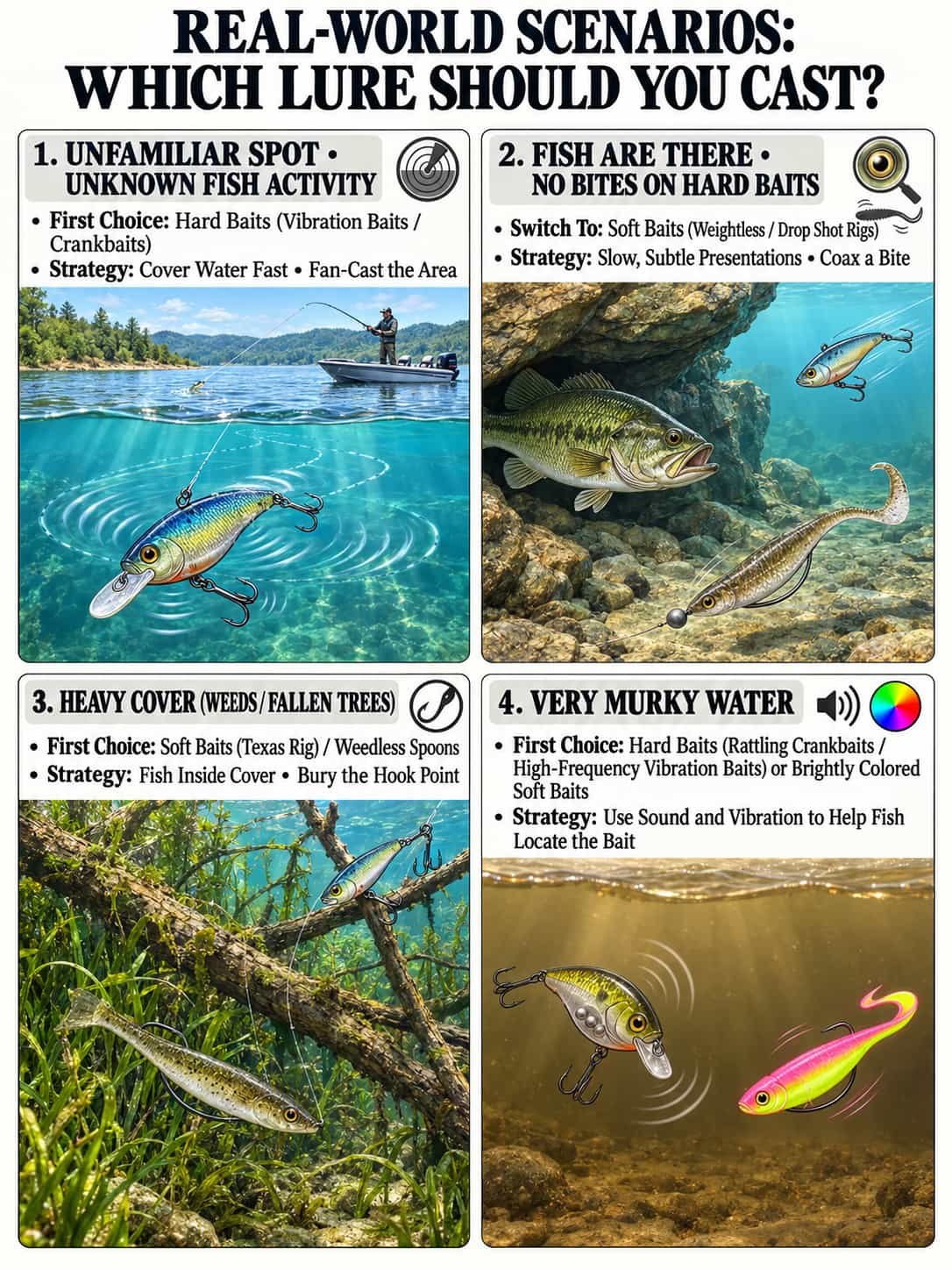
| 1. An unfamiliar spot with unknown fish activity | Start with hard baits: vibration baits or crankbaits. | Cover water quickly and fan-cast the area to locate fish. |
| 2. Fish are present but will not bite hard baits | Switch to soft baits on weightless rigs or drop shot rigs. | Use slow, subtle presentations to coax a bite. |
| 3. Heavy cover: weeds or fallen timber | Choose Texas-rigged soft baits or weedless spoons. | Work the bait into the cover. Bury the hook point in the soft bait. |
| 4. Very murky water | Choose rattling crankbaits, high-frequency vibration baits, or brightly colored soft baits. | Use sound and vibration to help fish locate the lure. |
More to Explore
Related Articles
More guides in Fishing lure
Favorite lure color not getting bites? Learn how to choose lure colors for water clarity, light, and fish activity, from bright soft plastics to natural baitfish patterns.
Compare the best lures for trophy fish in plain English. See how six options move, where they work best, and which ones fit your next trip.
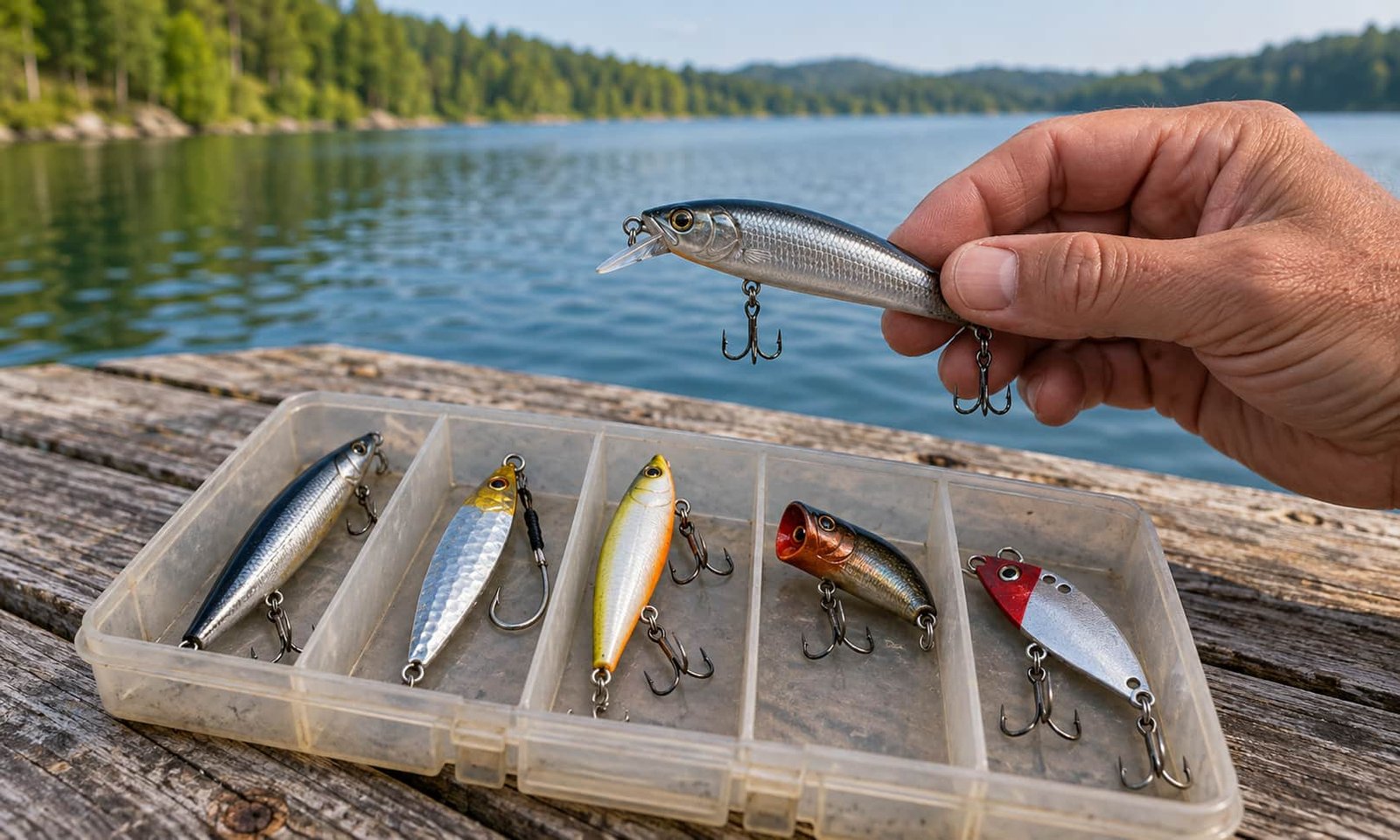
Learn how to fish a popper lure, from picking a weight for shallow or open water to working the surface with short twitches and pauses.
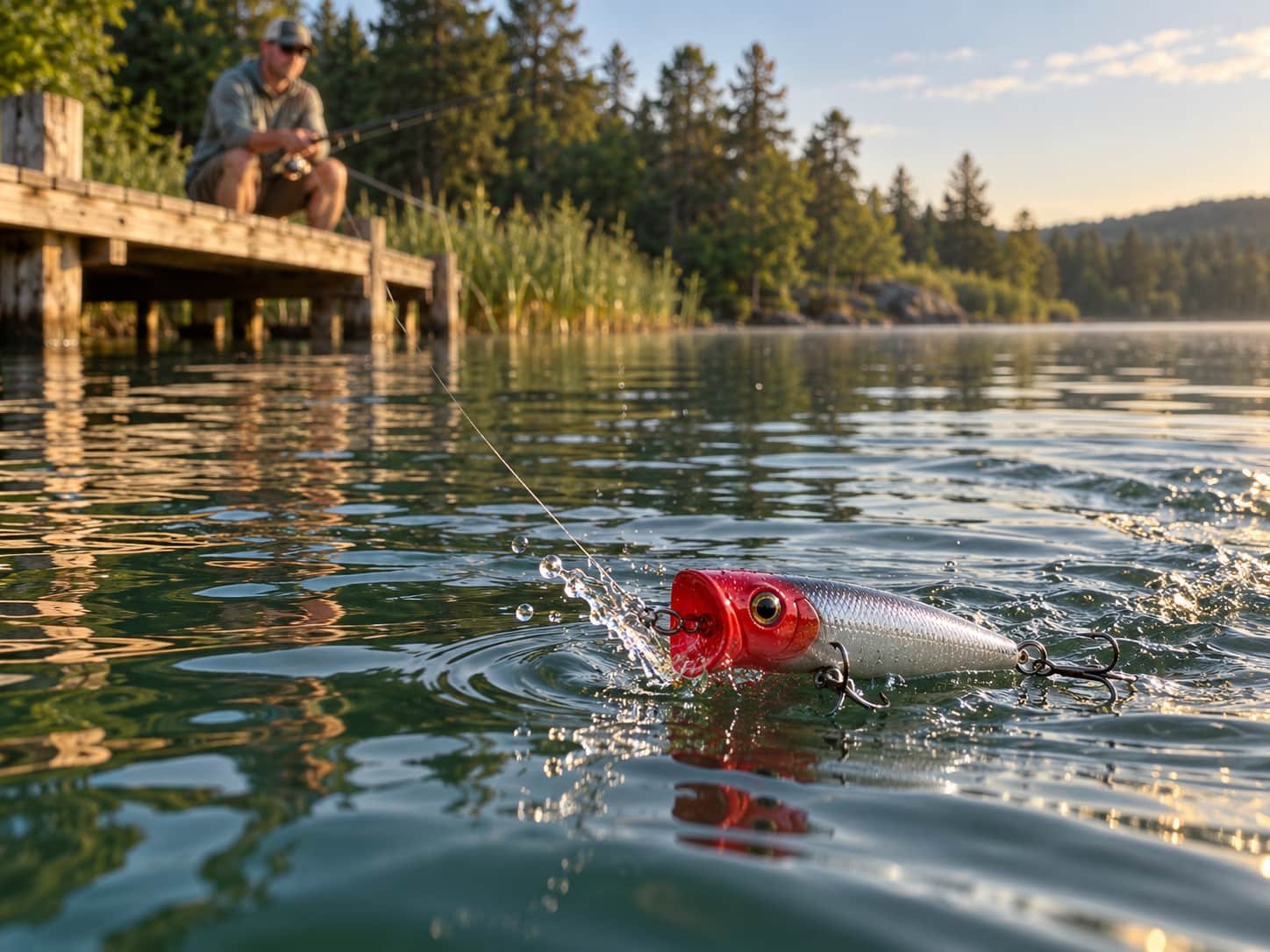
Learn how to choose flies for fly fishing by reading the water, matching the hatch, and picking the right fly size and color for each situation.
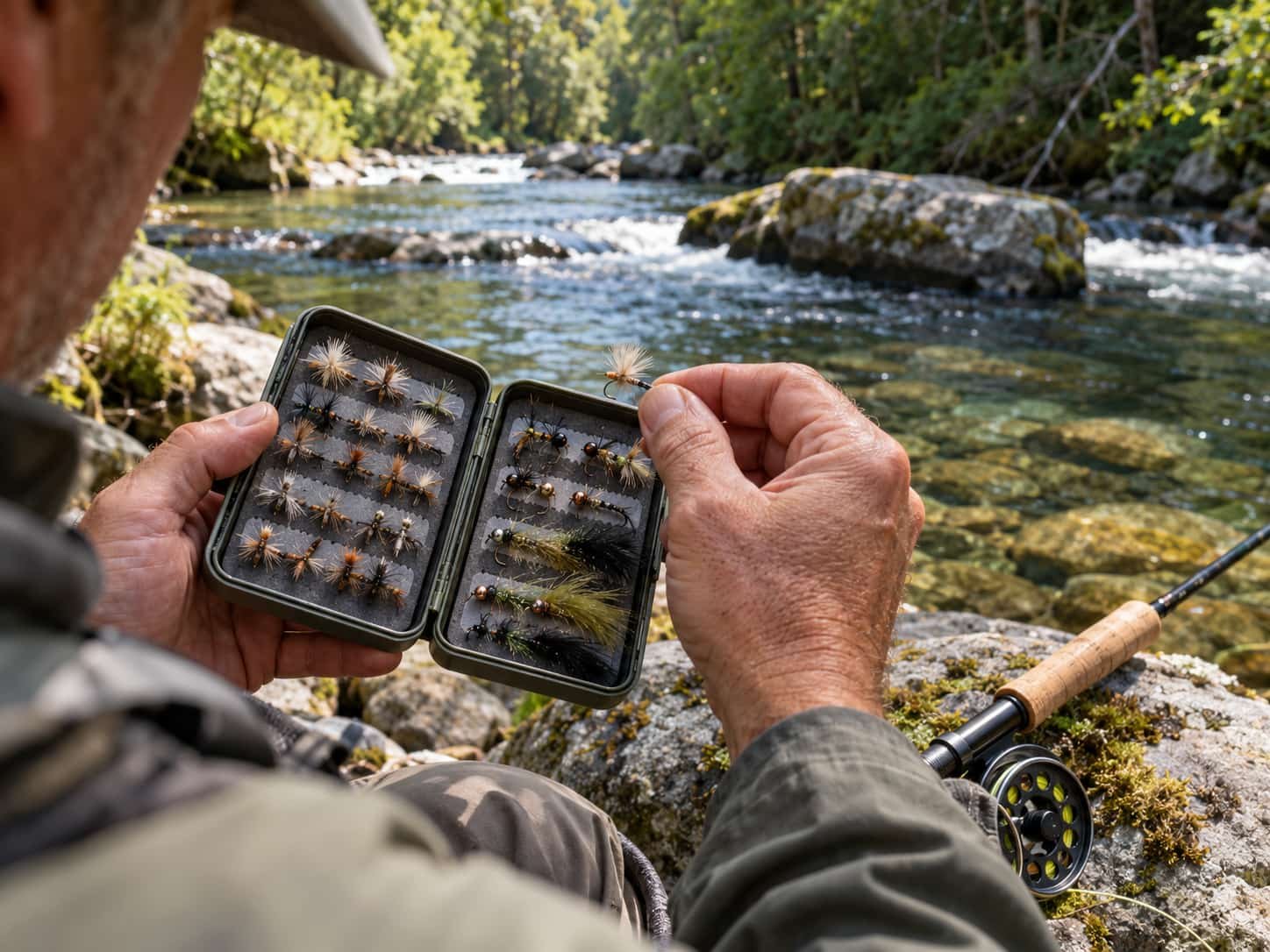
Learn how to choose micro spoons by shape, depth, and current so you can match your lure to the water before your first cast.
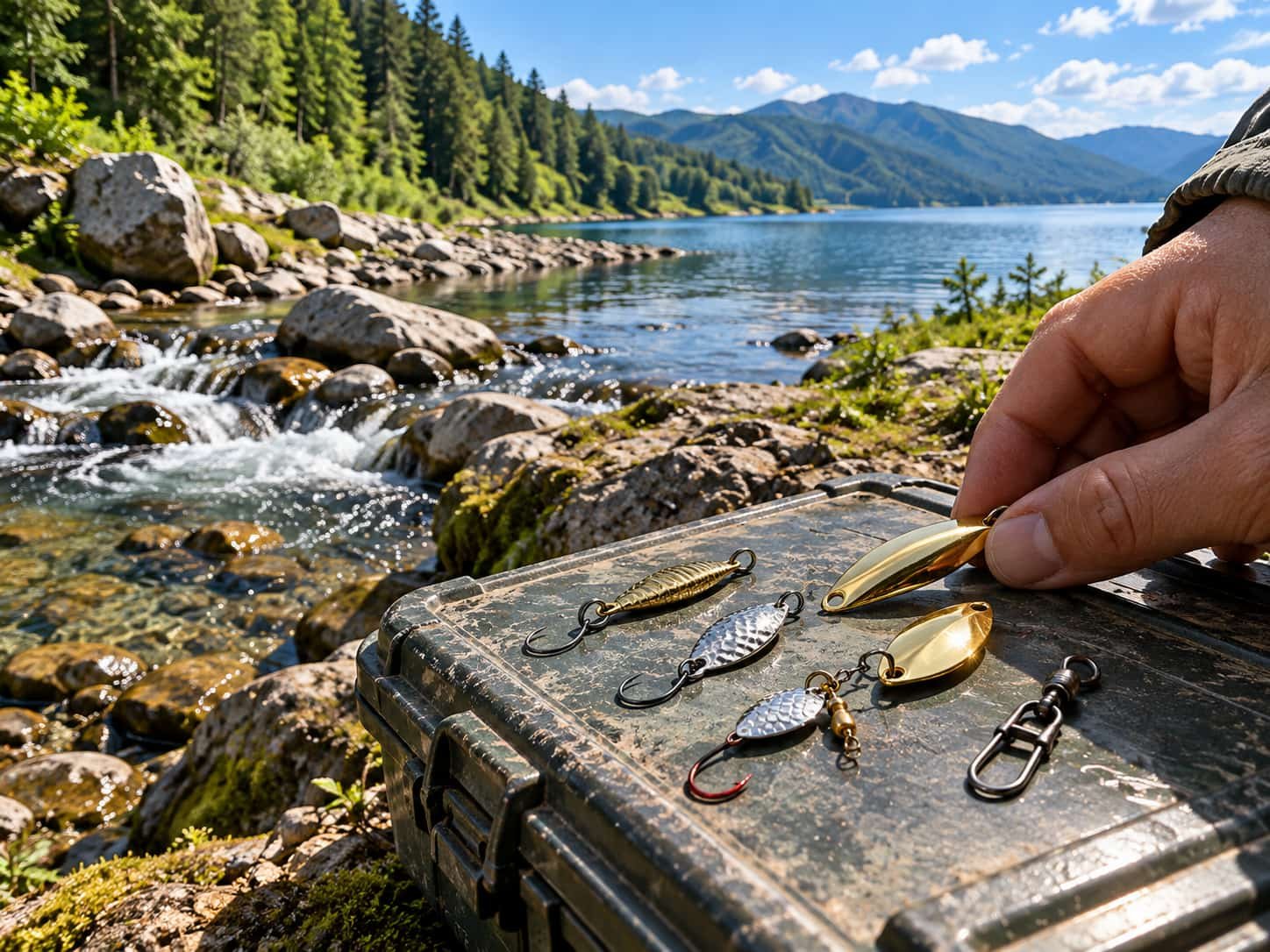
See how the best micro fishing lures compare, from versatile metal jigs to more technical options that take a little practice. Learn where each lure fits best and choose your next one with more confidence.
Not sure which lure to start with? This guide breaks down the best fishing lures for beginners and explains four simple, proven options that are easy to learn and worth keeping in your tackle box.
Learn how to choose the right metal jig weight for changing wind, current, depth, and casting distance so your jig reaches the target zone and stays there longer.