How to Choose Lure Colors When Your Favorite Gets No Bites
- Category
- Fishing lure
- Date
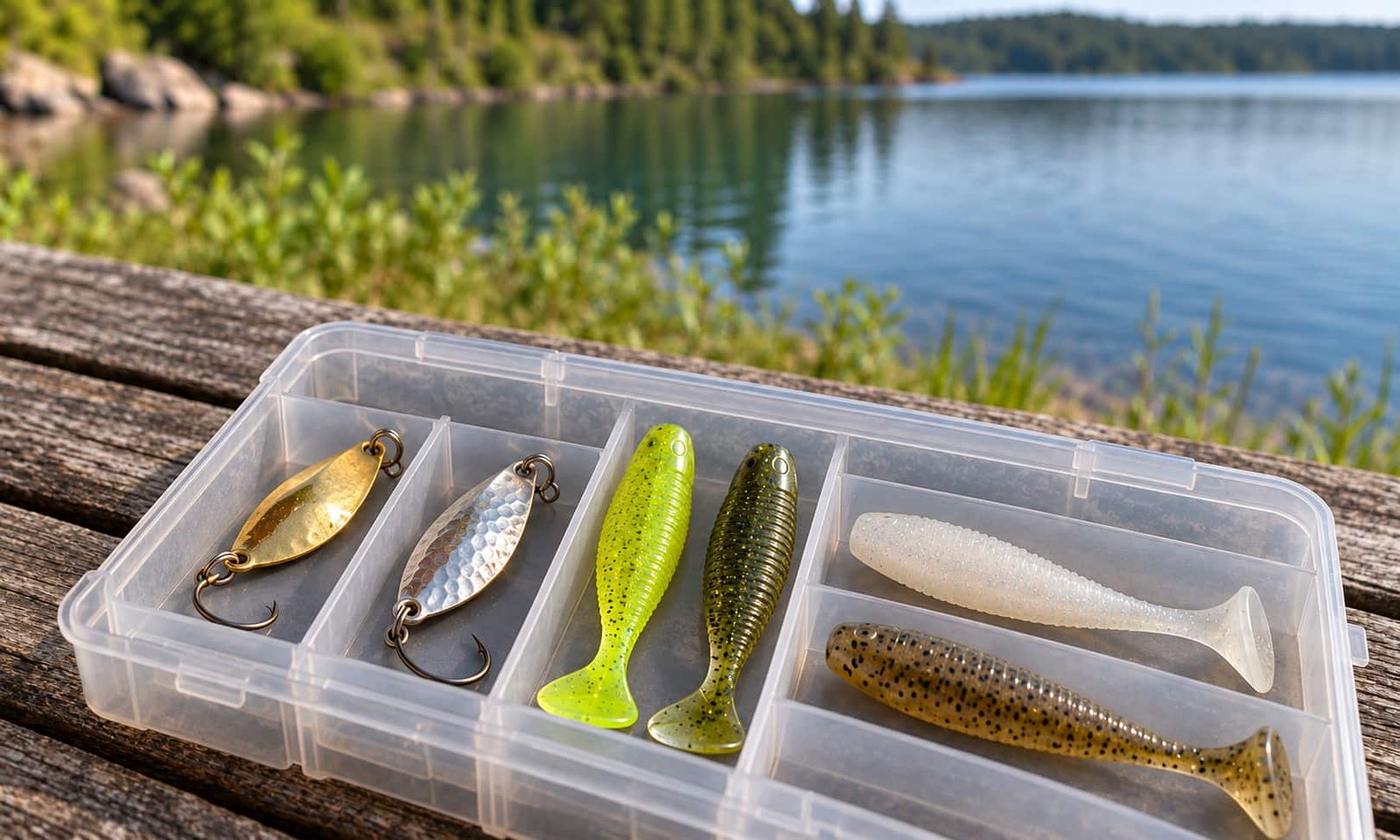
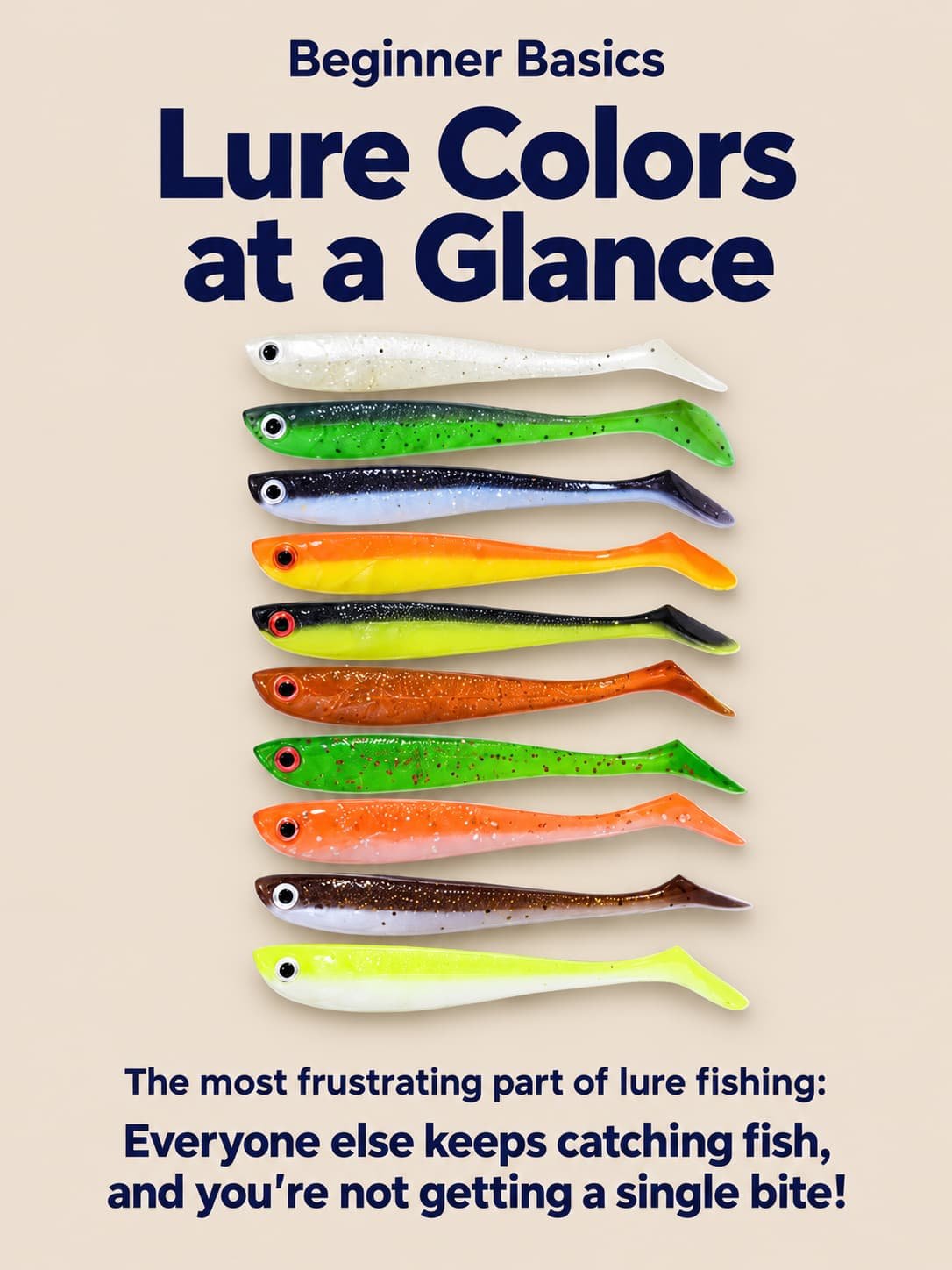
Watching someone nearby catch fish while your line stays quiet can make you second-guess every lure in your tackle box. Learning how to choose lure colors gives you a more reliable place to start.
The guide below compares spoon finishes and soft-plastic colors based on water clarity, available light, and fish activity. Use those conditions to narrow your choices before the next cast instead of changing colors at random.
| Topic | Lure Type | Colors | Guidance or Comment |
|---|---|---|---|
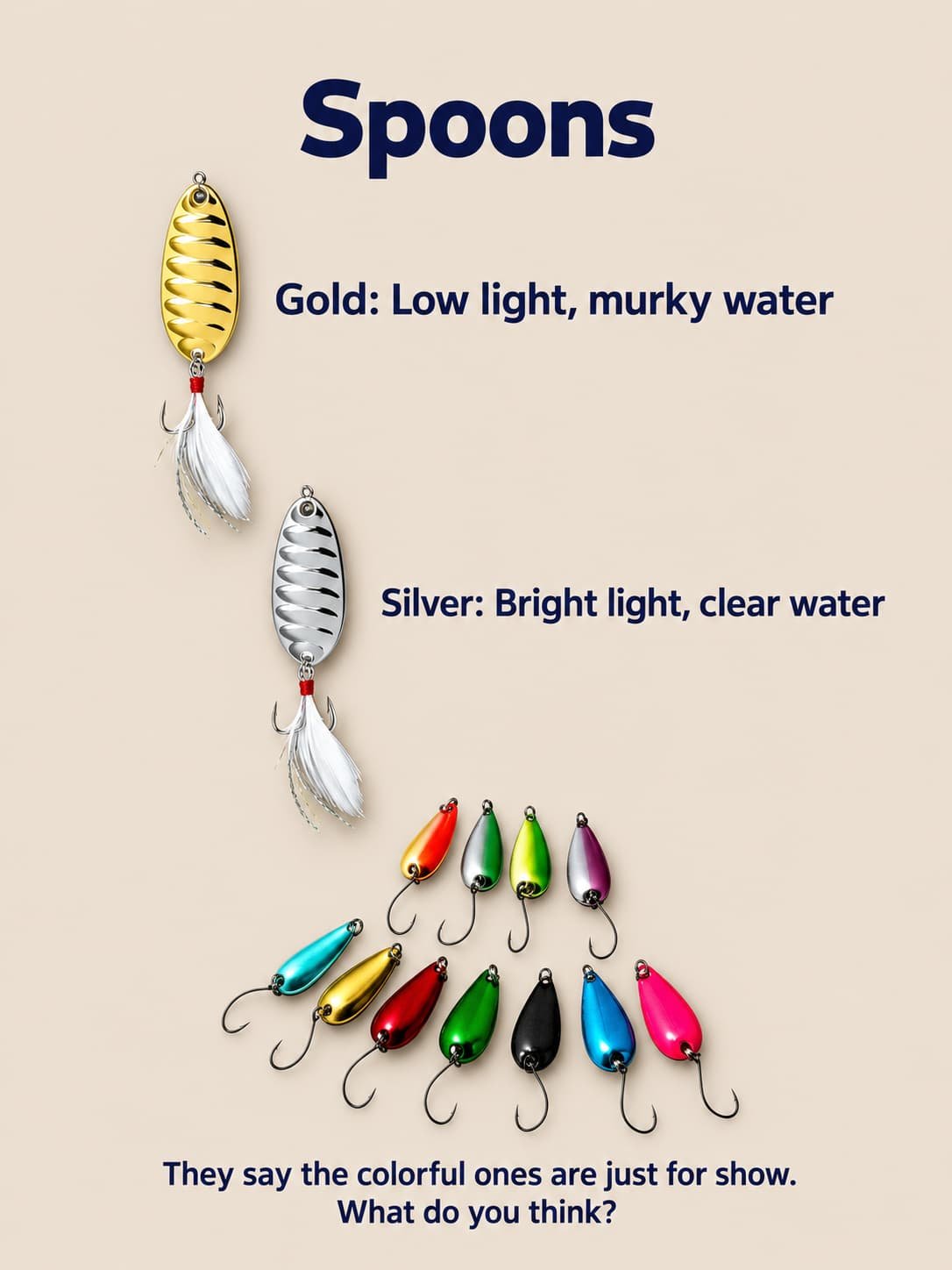
| Light and water clarity | Spoons | Gold | Low light, murky water. |
| Light and water clarity | Spoons | Silver | Bright light, clear water. |
| Colorful lure designs | Spoons | Various colors | They say the colorful ones are just for show. What do you think? |
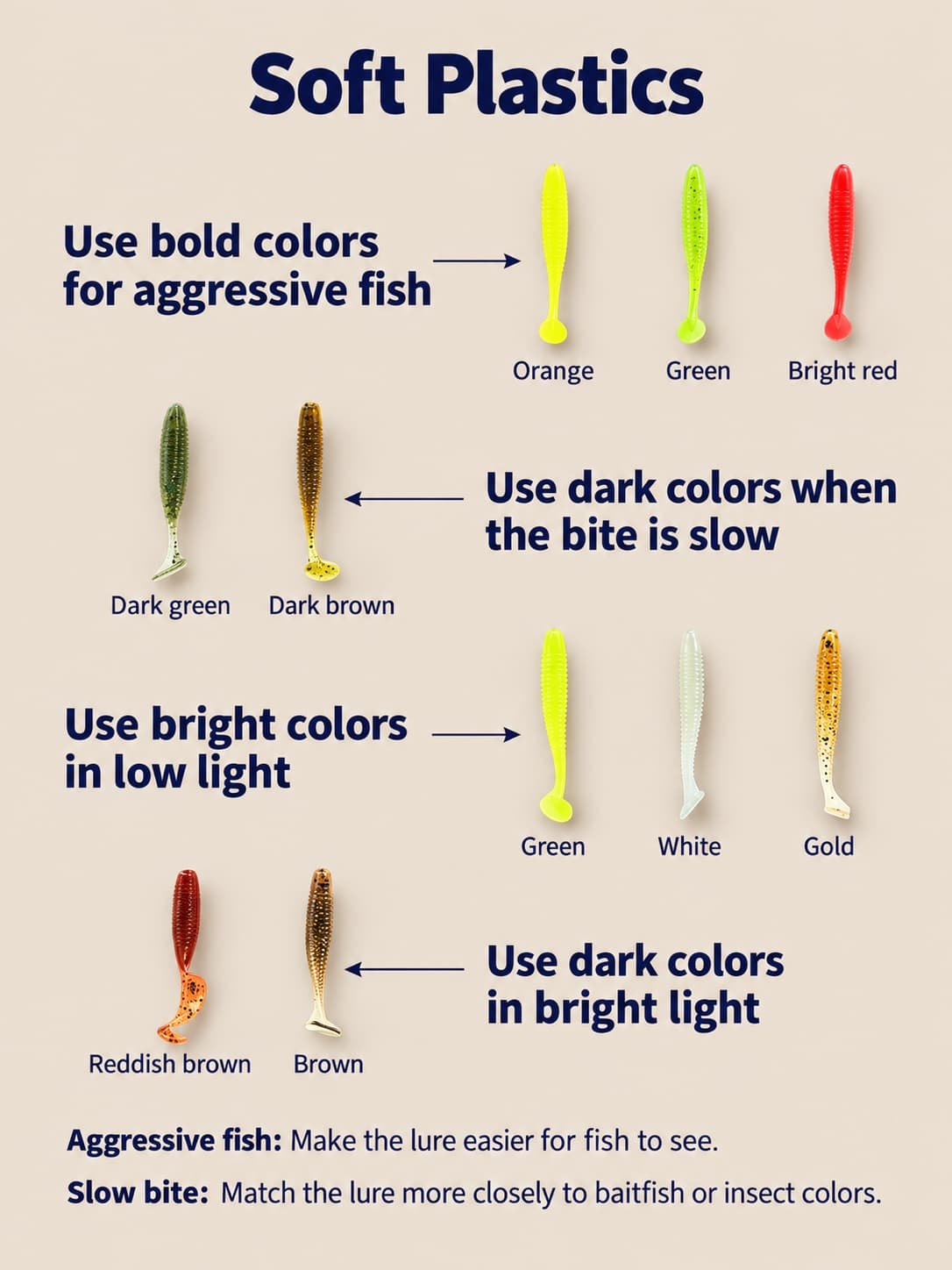
| Aggressive fish | Soft plastics | Orange, green, bright red | Use bold colors. Make the lure easier for fish to see. |
| Slow bite | Soft plastics | Dark green, dark brown | Use dark colors. Match the lure more closely to baitfish or insect colors. |
| Low light | Soft plastics | Green, white, gold | Use bright colors. |
| Bright light | Soft plastics | Reddish brown, brown | Use dark colors. |
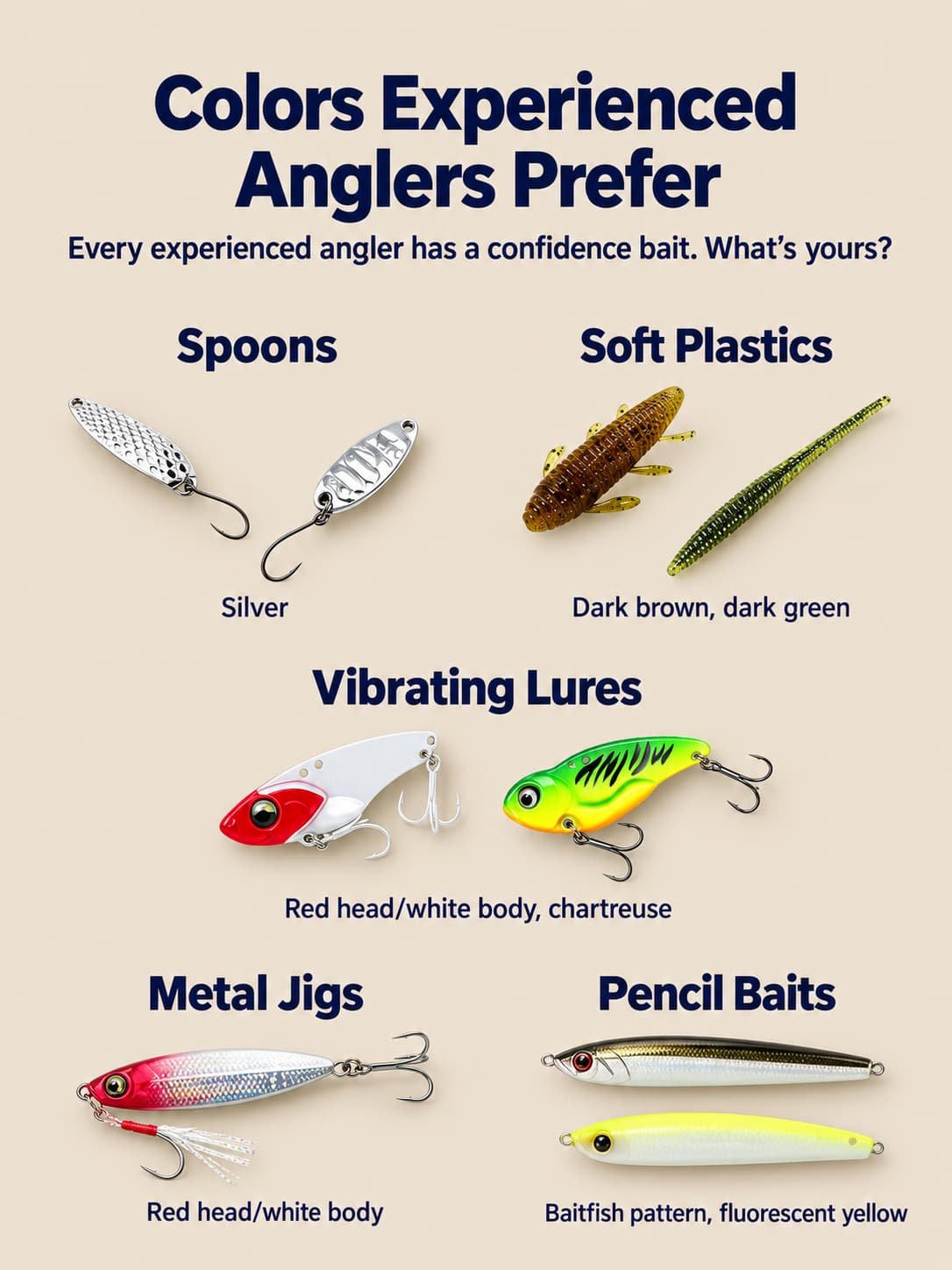
| Colors experienced anglers prefer | Spoons | Silver | |
| Colors experienced anglers prefer | Soft plastics | Dark brown, dark green | |
| Colors experienced anglers prefer | Vibrating lures | Red head/white body, chartreuse | |
| Colors experienced anglers prefer | Metal jigs | Red head/white body | |
| Colors experienced anglers prefer | Pencil baits | Baitfish pattern, fluorescent yellow | |
| Confidence bait | Fishing lures | Every experienced angler has a confidence bait. What’s yours? |
More to Explore
Related Articles
More guides in Fishing lure
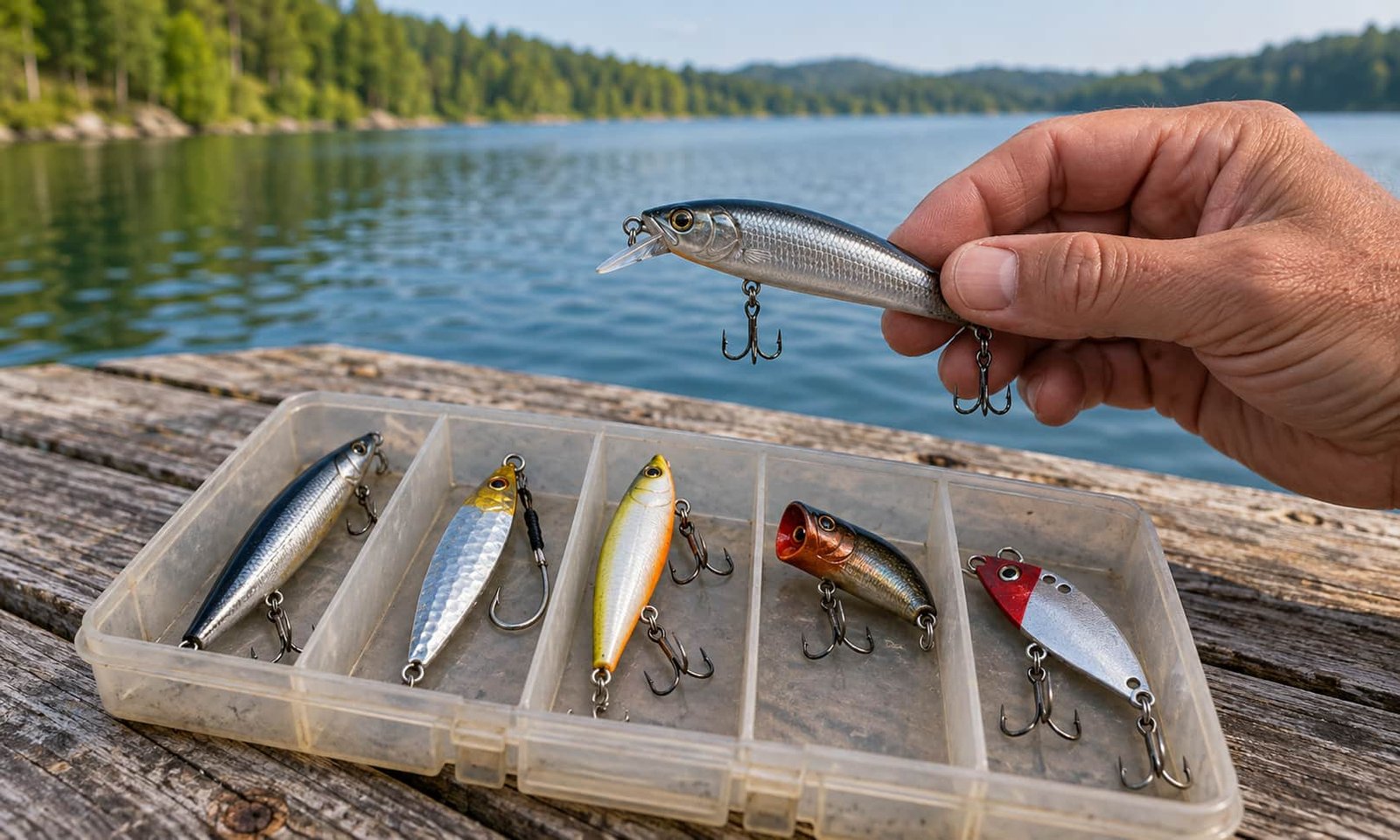
Compare the best lures for trophy fish in plain English. See how six options move, where they work best, and which ones fit your next trip.
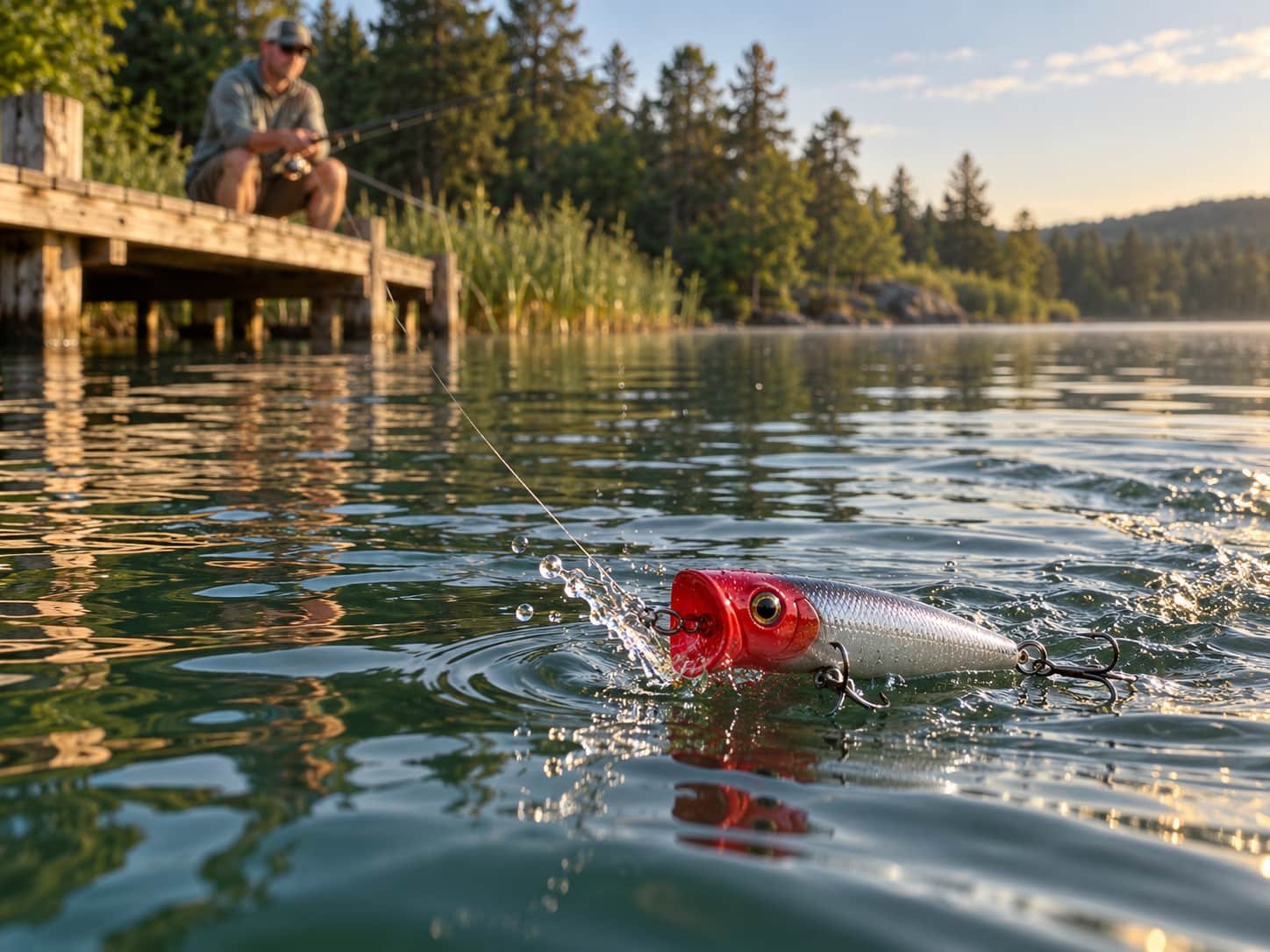
Learn how to fish a popper lure, from picking a weight for shallow or open water to working the surface with short twitches and pauses.
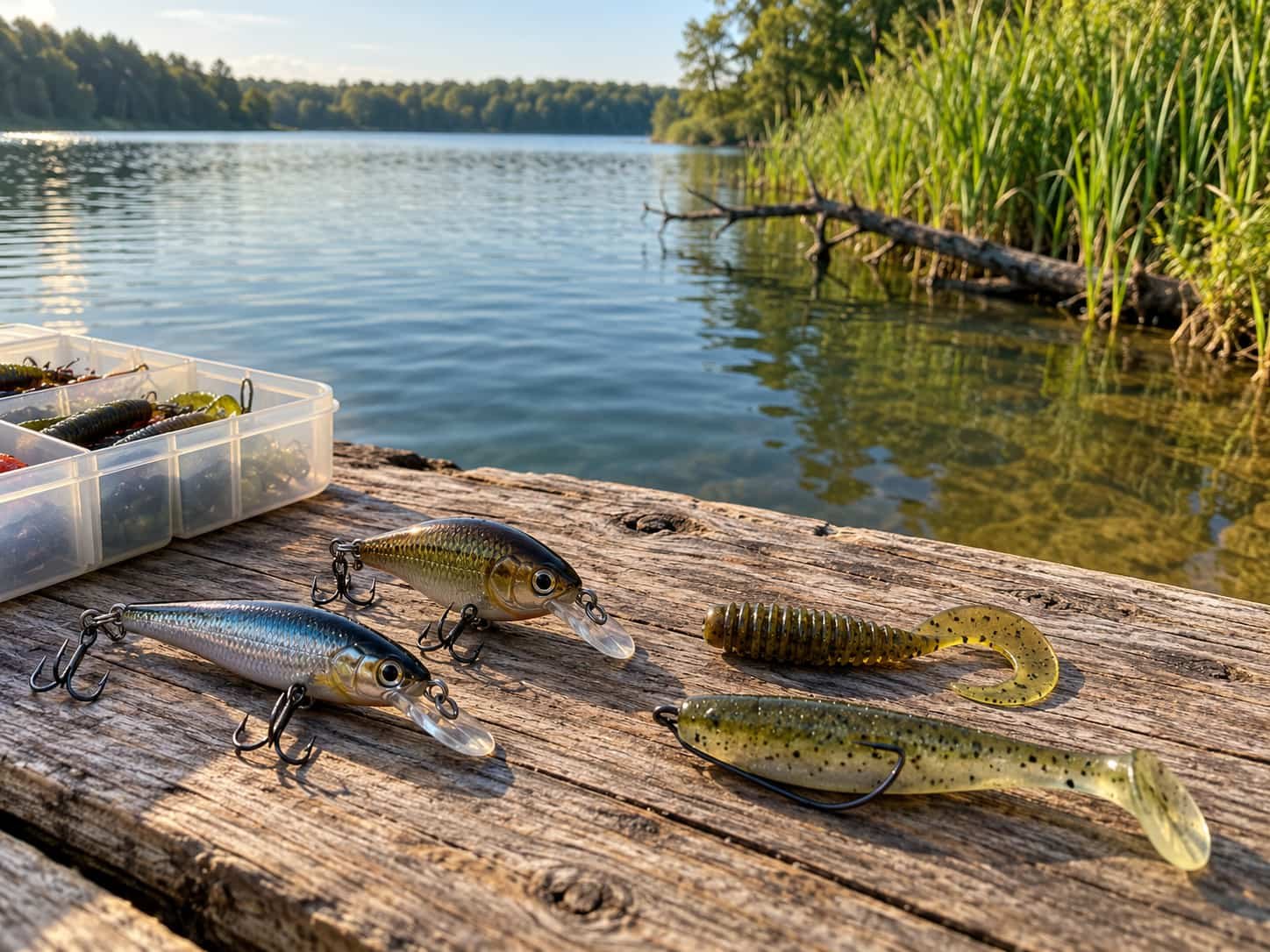
Hard baits vs soft baits explained through four fishing situations. See what to cast in open water, heavy cover, or murky water.
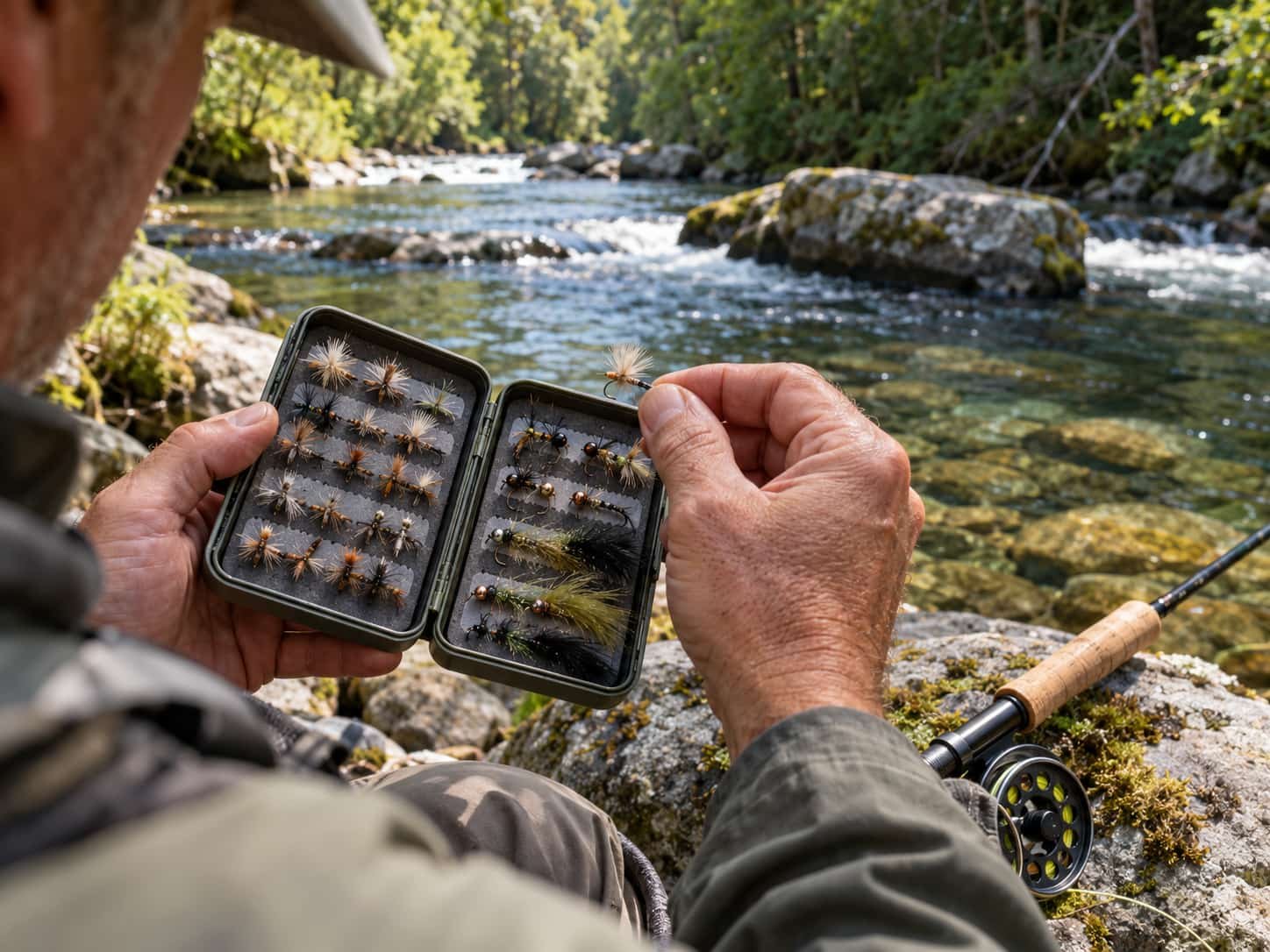
Learn how to choose flies for fly fishing by reading the water, matching the hatch, and picking the right fly size and color for each situation.
Learn how to choose micro spoons by shape, depth, and current so you can match your lure to the water before your first cast.
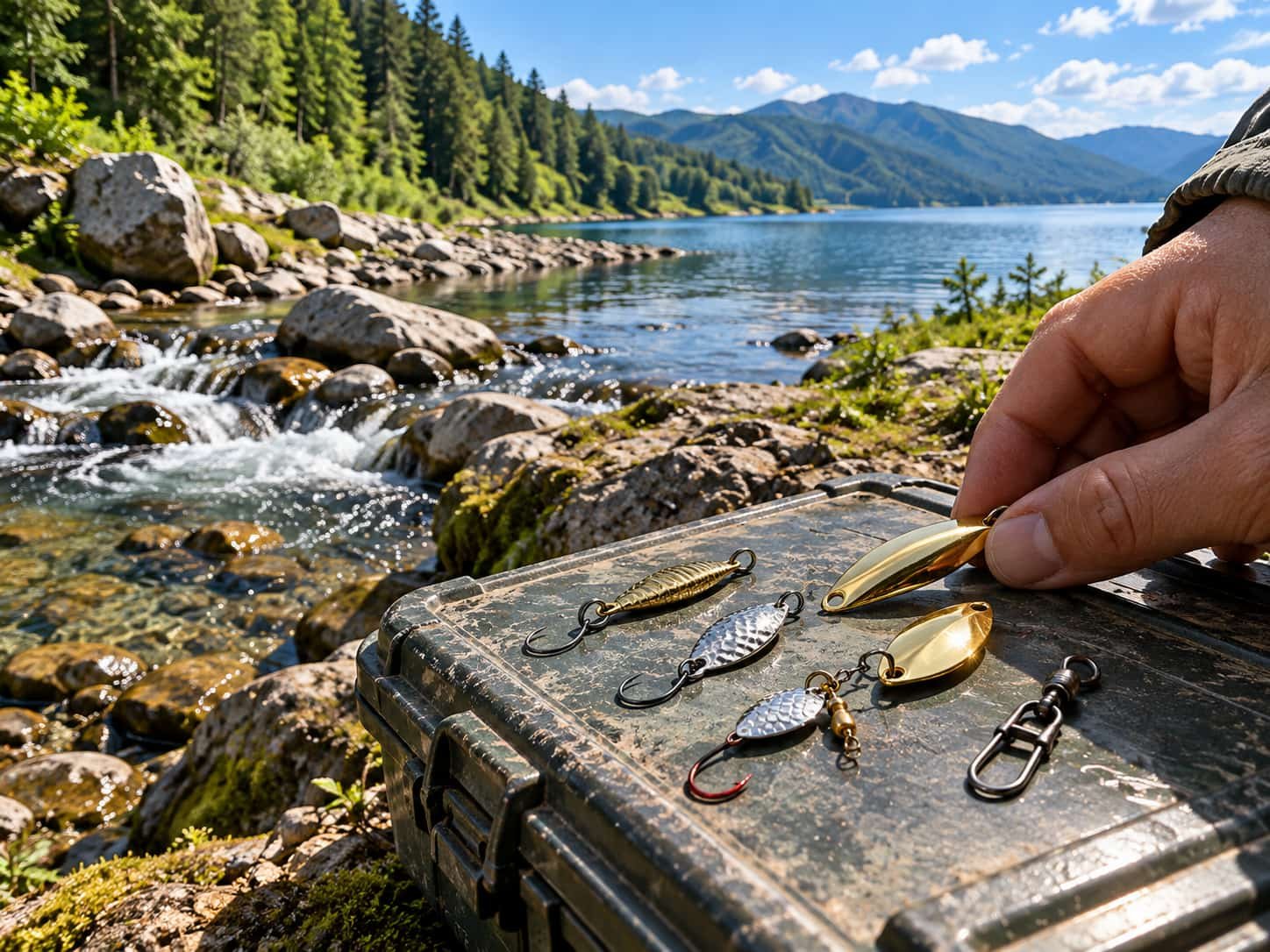
See how the best micro fishing lures compare, from versatile metal jigs to more technical options that take a little practice. Learn where each lure fits best and choose your next one with more confidence.
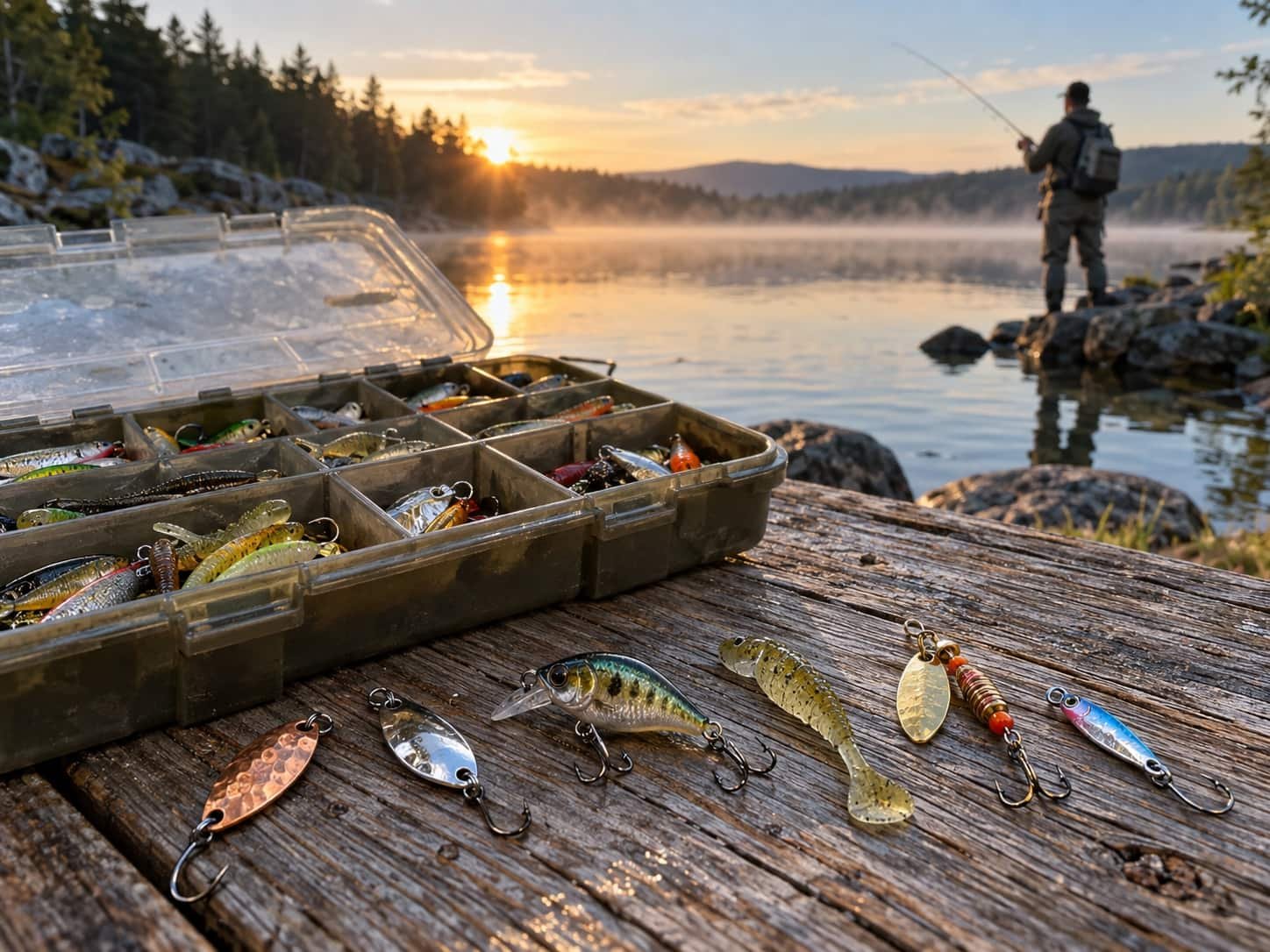
Not sure which lure to start with? This guide breaks down the best fishing lures for beginners and explains four simple, proven options that are easy to learn and worth keeping in your tackle box.
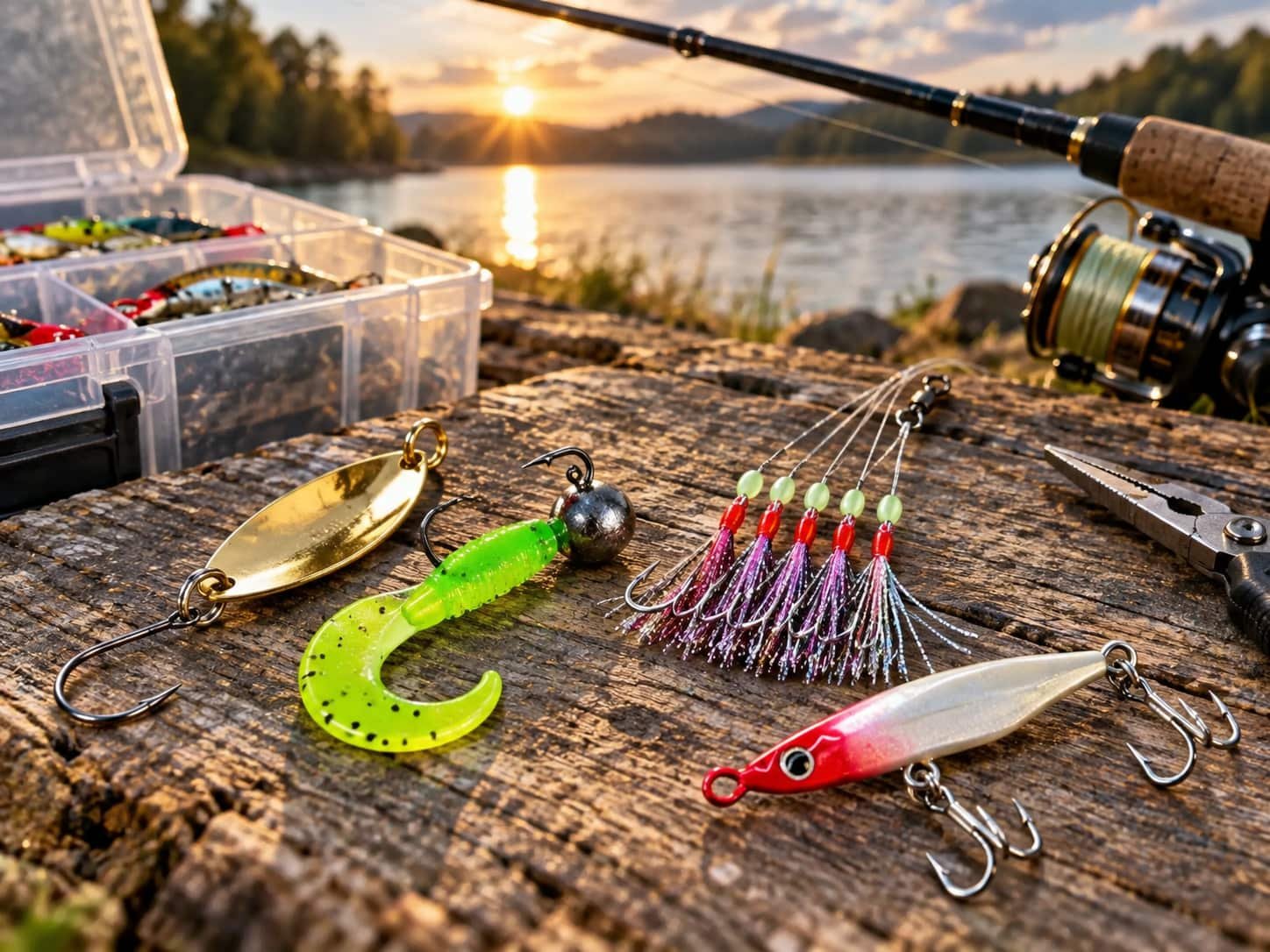
Learn how to choose the right metal jig weight for changing wind, current, depth, and casting distance so your jig reaches the target zone and stays there longer.