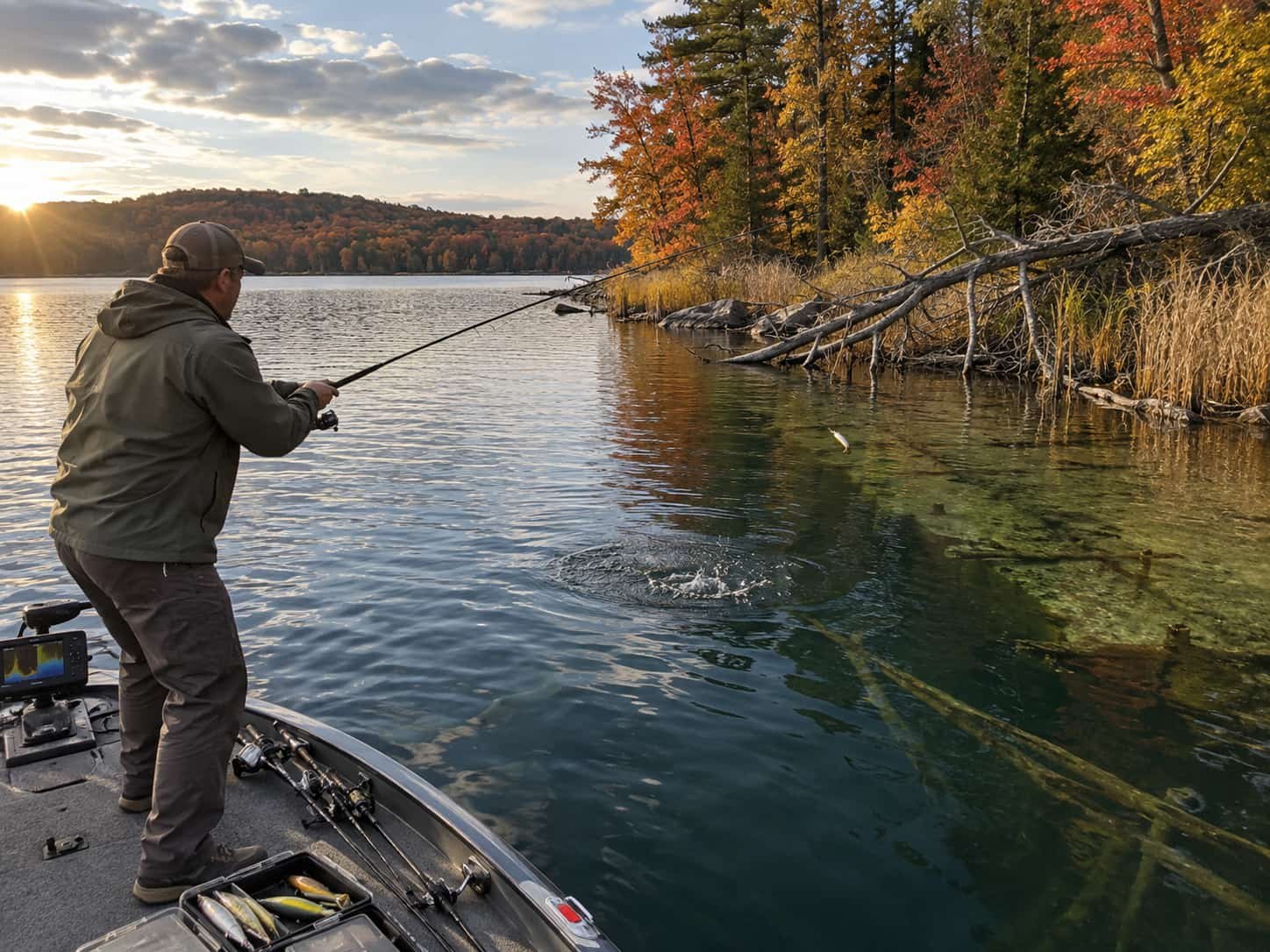
When to Cast and When to Pack Up Fishing in the Rain

- Category
- Fishing Conditions
- Date
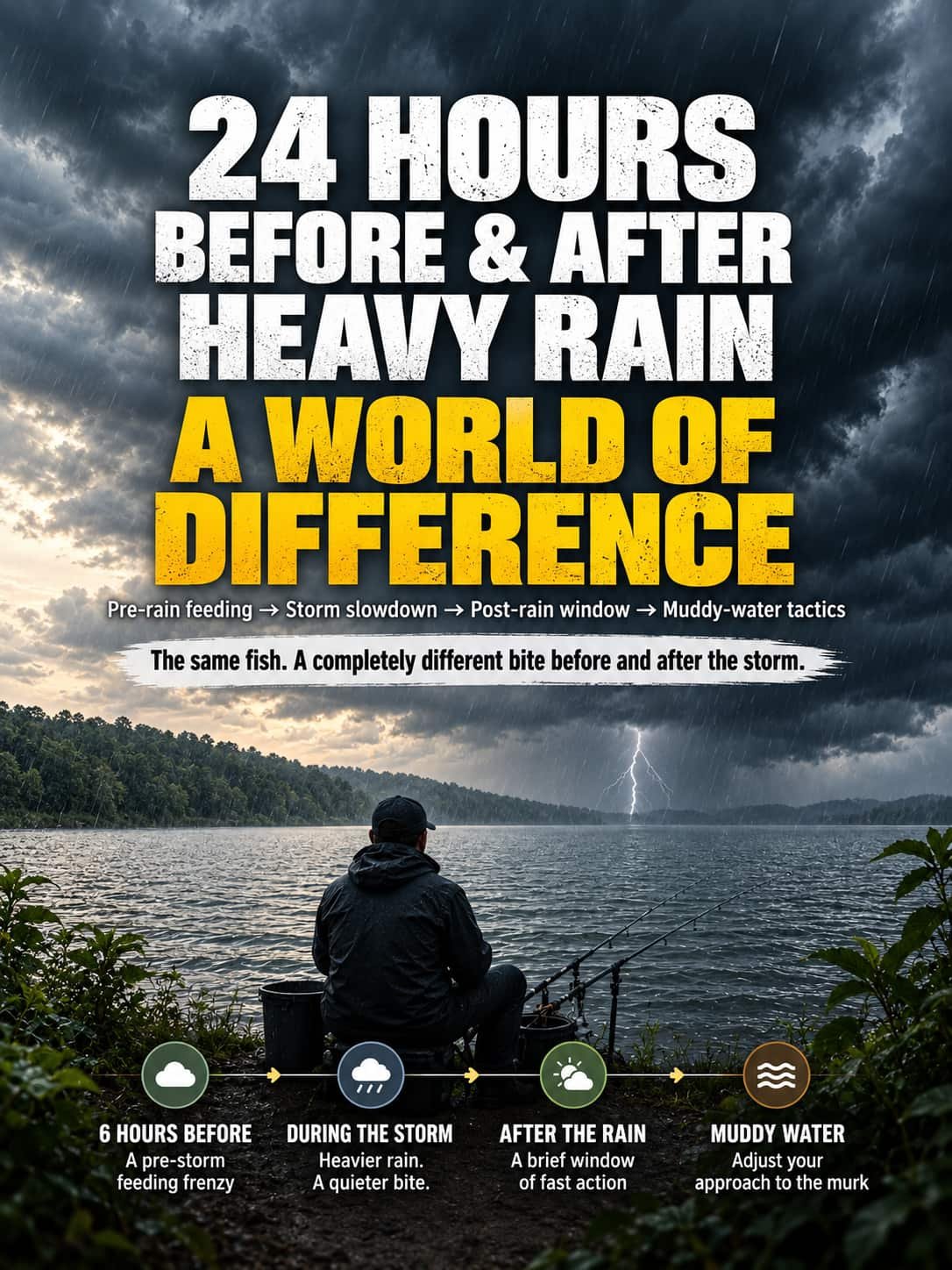
Think fish always bite better when it rains? It depends on your timing.
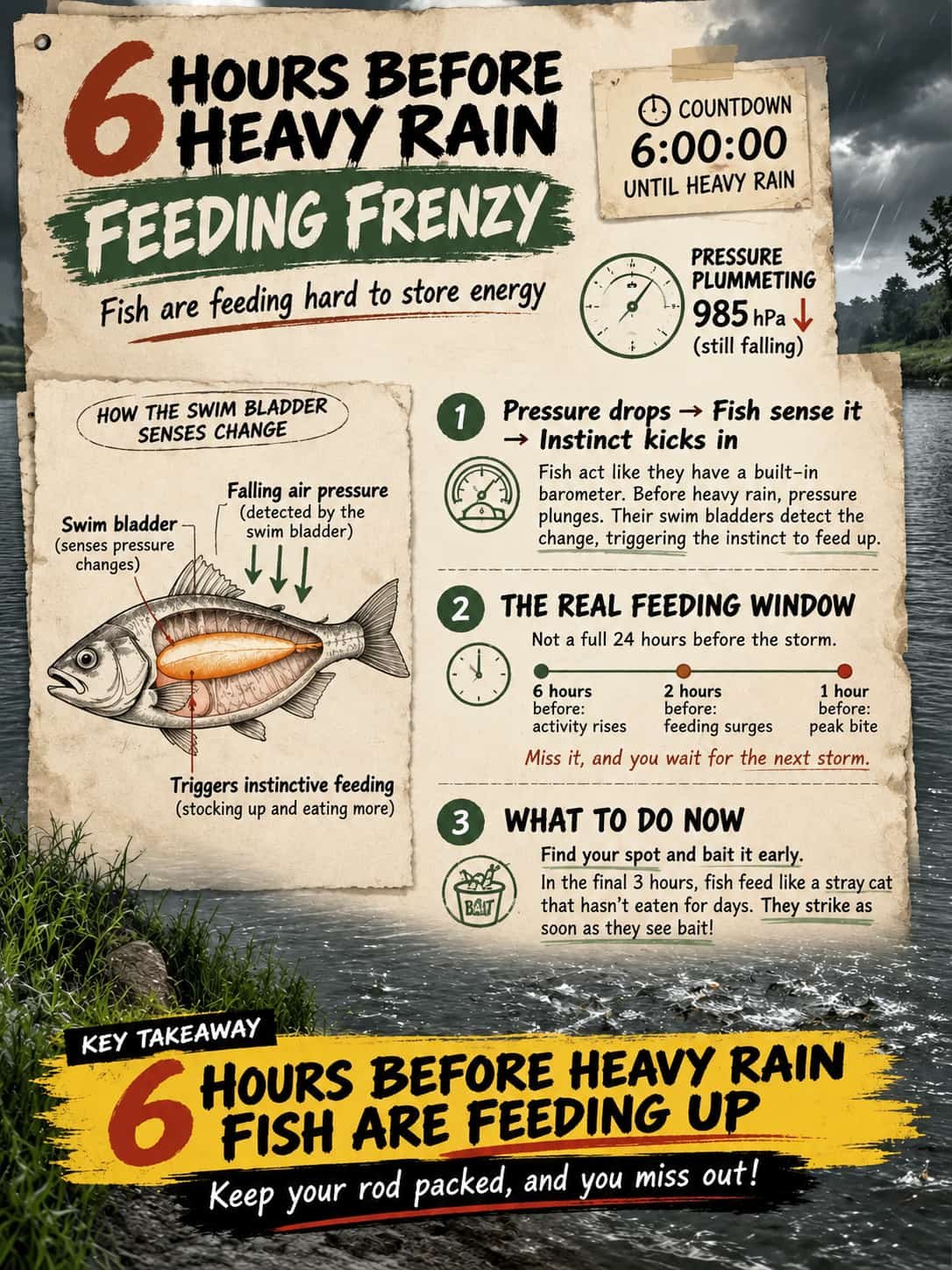
Six hours before heavy rain, barometric pressure drops sharply. Fish sense the change through their swim bladders and instinctively start feeding up. Two hours before the rain, the bite heats up. One hour before, they’re hitting everything. Leave your rod packed, and you’re just watching fish feast at an all-you-can-eat buffet.
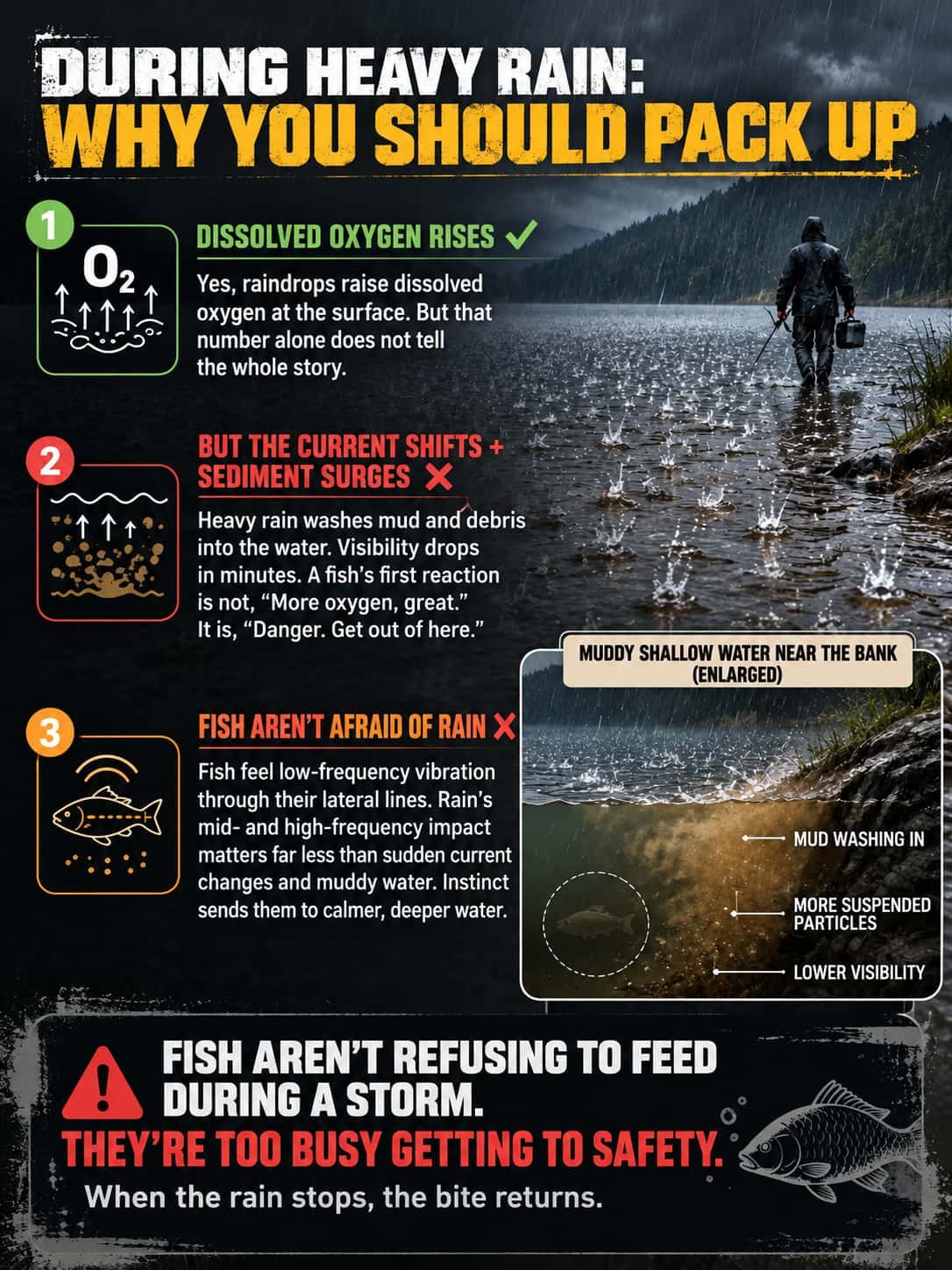
During the downpour? Pack up. The water turns muddy, the current changes, and fish head for deeper water to take cover.
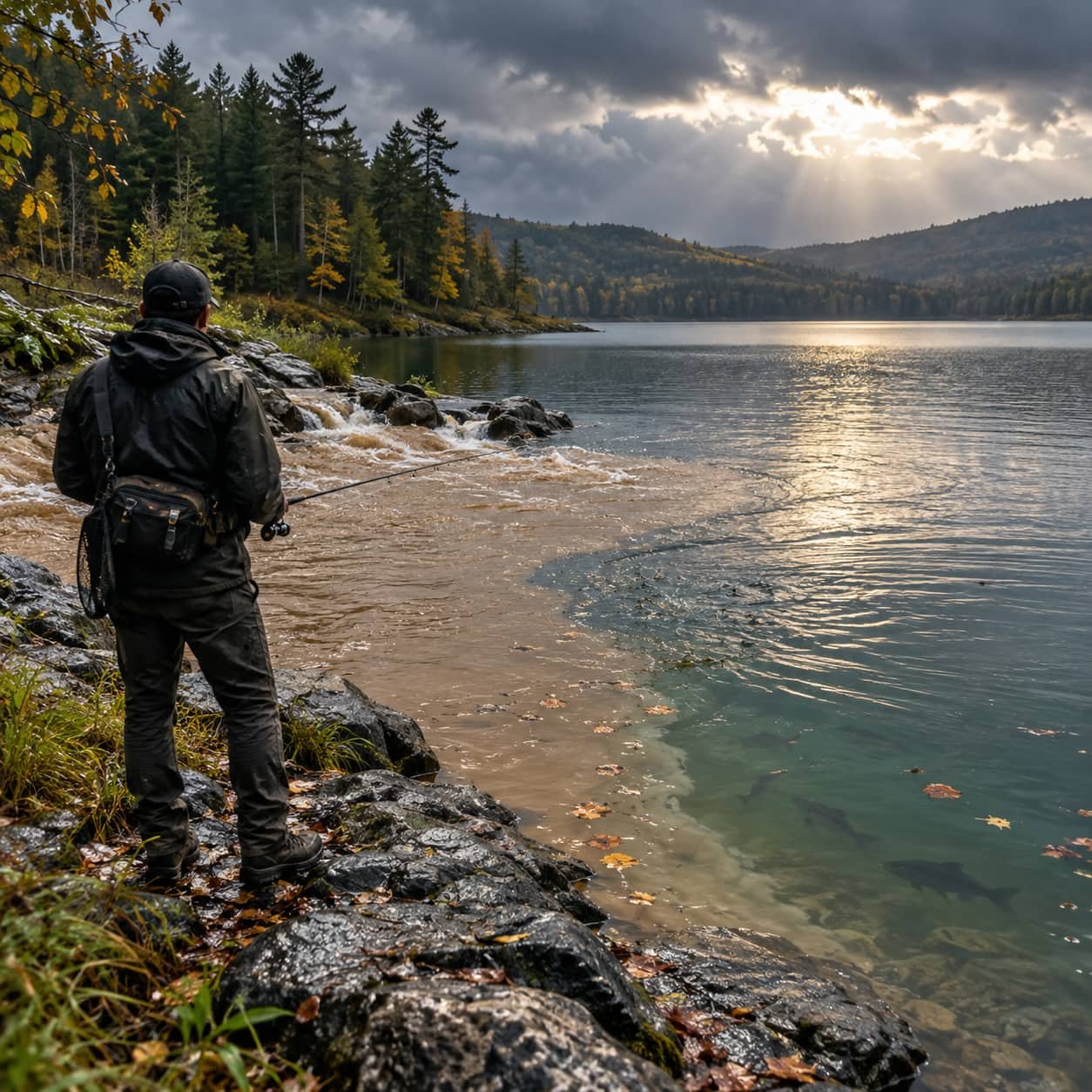
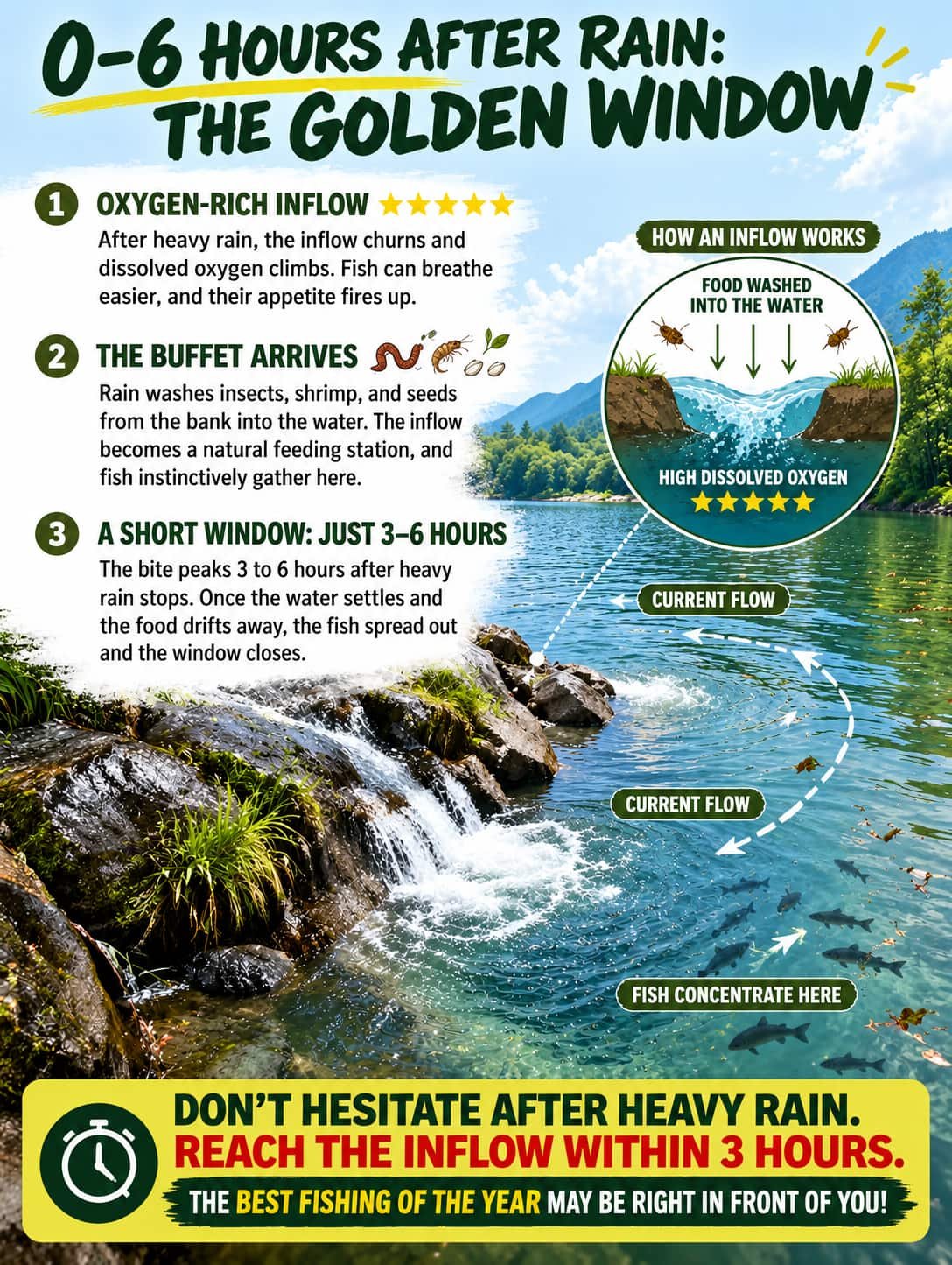
The moment the rain stops, the golden window opens. Inflows are rich in dissolved oxygen, and runoff washes in a whole buffet of food. You’ve got just three hours. After that, the fish scatter, and you’re left chasing scraps.
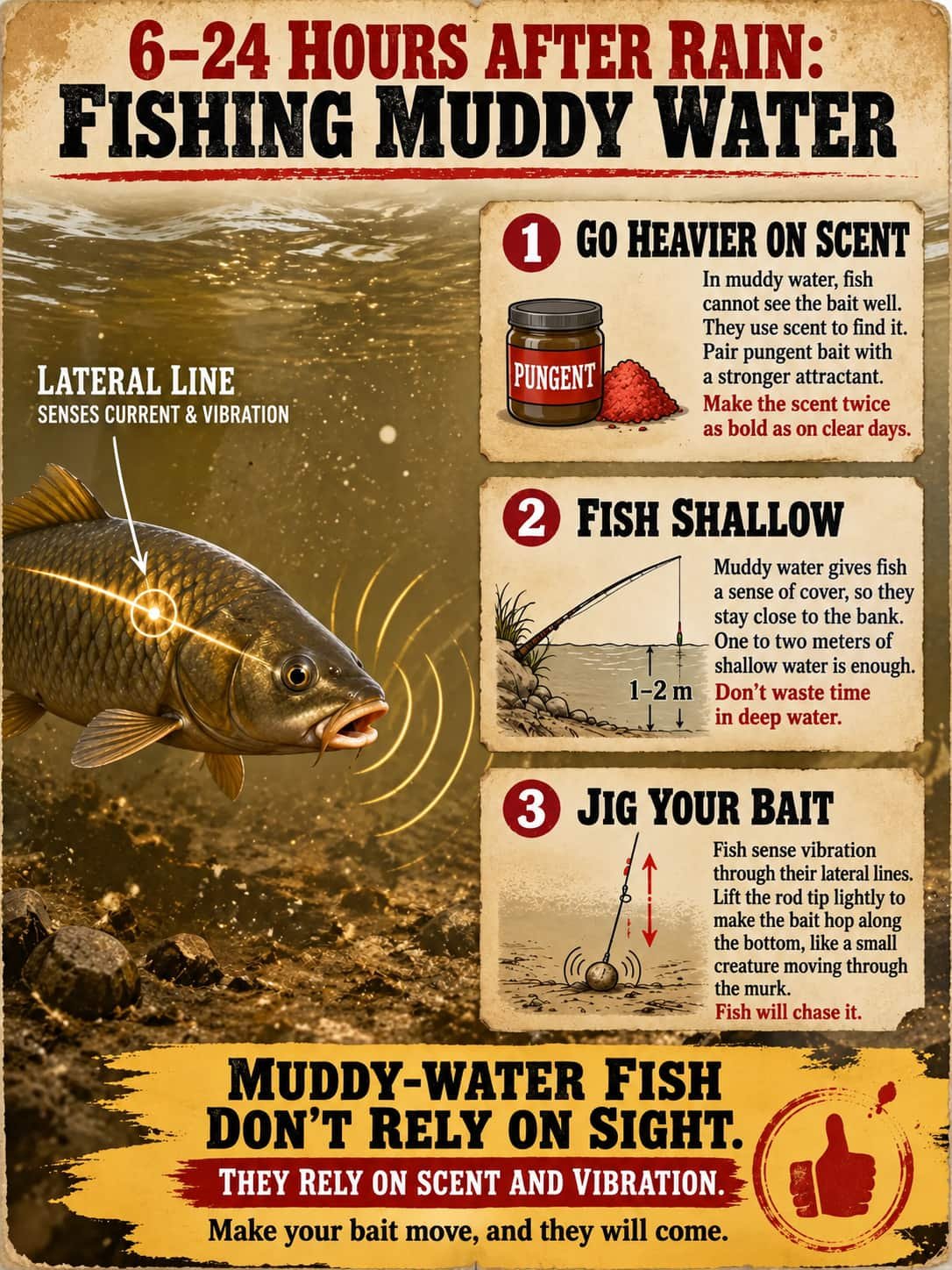
When the water turns muddy, don’t stubbornly stick to the same approach. Fish struggle to see your bait, so they rely on scent and vibration. Use stronger-smelling bait, fish shallow, and add short lifts and twitches to draw attention.
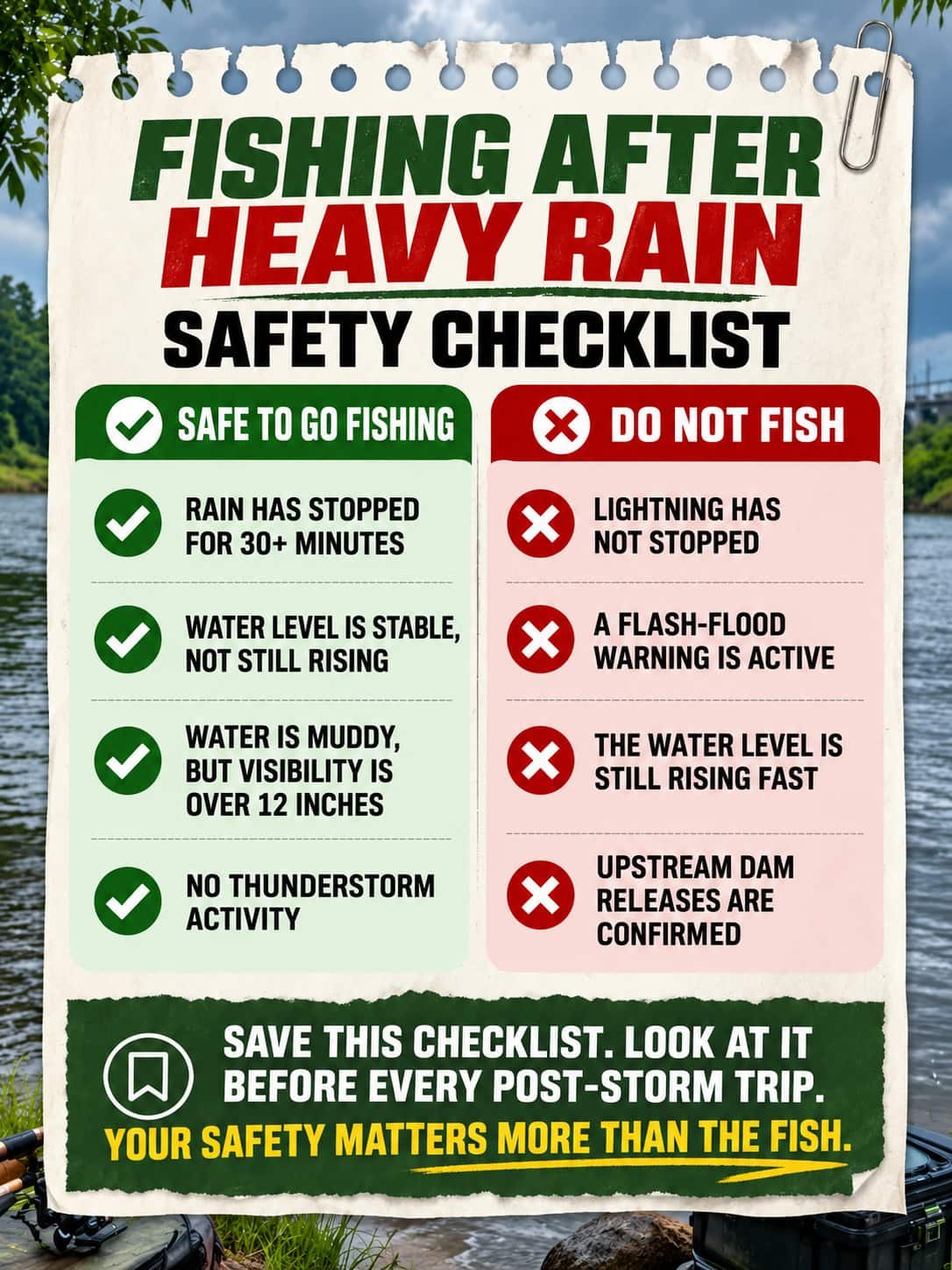
Before heading out around heavy rain, check the safety checklist in the last image. Your life is worth more than any fish.
Save this timeline for your next fishing trip. Follow me for little-known fishing tips that help you put more fish on the line!
Is fishing better before or after heavy rain?
Fishing can improve before heavy rain or after the storm passes, but neither period guarantees a better bite. The hours before rain can bring feeding activity, while post-rain inflows can concentrate food. During a downpour, sudden changes in current and visibility may make fish harder to locate.
Use these rough observation windows to plan what to check.
| Period | What to watch | Practical response |
|---|---|---|
| Around 6 hours before heavy rain | Changing weather and signs of feeding | Prepare early and fish only while conditions remain safe. |
| During heavy rain | Stronger flow, debris, and falling visibility | Reassess the water and leave if storm or flood hazards develop. |
| Roughly 0–6 hours after rain | Inflows carrying food and moving water | Check accessible inflow edges once the storm has passed safely. |
| Roughly 6–24 hours after rain | Lingering muddy water | Try scent, shallow holding areas, and controlled bottom movement. |
These periods are approximate. Storm intensity, the fishing location, and the fish themselves affect the timing.
Why can fish feed more actively before a storm?
Fish may feed more actively as conditions change before heavy rain, so preparing early can help you use a safe opportunity. Around six hours before the forecast rain is a useful point to start watching conditions. Treat visible feeding activity as stronger evidence than a countdown to the storm.
Falling barometric pressure often accompanies approaching storm weather. Barometric pressure means the pressure exerted by the atmosphere. Fish responses vary, and a falling reading alone cannot tell you when a feeding burst will begin or how long the bite will last.
Have your fishing spot and bait ready before the weather deteriorates. Watch for feeding activity, and leave when thunder approaches.
Why can the bite slow down during heavy rain?
Heavy rain can slow the bite by changing the water faster than fish can settle into a feeding position. Runoff carries mud and debris, visibility falls, and currents shift. Some fish move toward calmer or deeper water, leaving a previously productive bank with fewer fish within reach.
More oxygen at the surface does not automatically mean better fishing. Dissolved oxygen is oxygen present in the water that fish use to breathe. Rain and turbulence can increase oxygen exchange, but the benefit does not cancel out strong current, suspended sediment, or other sudden changes.
A quiet bite can mean the fish have moved. Reassess the changing flow and water color, and let dangerous weather end the session immediately.
Where should you look for fish after the rain stops?
Look for fish near manageable inflows after the storm has passed and water levels are stable. An inflow is a place where a stream or runoff enters a larger body of water. Moving water can carry food and mix oxygen into the receiving water, creating a possible feeding area.
Check the edge of the incoming flow before concentrating on its strongest part. Insects and other food washed from the bank can travel with the current. Fish may gather where that food passes through calmer water rather than hold directly in the main rush.
The first 0–6 hours after rain provide a useful observation window. Productive conditions may fade as flow eases and food disperses, while some waters respond later. Let safe access and water conditions decide when you return.
Inspect an inflow before casting. Runoff can carry poor-quality water, and a forceful, debris-filled inflow may be hazardous. Keep watching the water level throughout the session.
How should you fish muddy water after heavy rain?
Fish muddy water by helping fish find your bait despite reduced visibility. Scent and controlled movement can provide useful cues when fish cannot see far. During the rough 6–24-hour period after rain, check sheltered bank areas and adjust the presentation to the water conditions you actually find.
Give fish a bait they can locate and approach. Combine a suitable fishing position with scent or deliberate movement, then watch how fish respond.
Can scented bait help fish find food in muddy water?
Scented bait can help some fish locate food when suspended mud reduces visibility. A bait with a noticeable natural scent, or a suitable bait attractant, adds another cue beyond appearance. The response depends on the fish and conditions, so treat scent as an option rather than a guaranteed improvement.
Use bait attractants as intended. Assess whether the presentation draws bites before adding more or making another change.
How deep should you fish near a muddy bank?
Try water around 1–2 meters deep, roughly 3–6½ feet, as a starting point near a stable muddy bank. Reduced visibility can give fish concealment close to shore. That depth range is a place to begin looking, rather than proof that deeper water holds no fish after rain.
Choose sheltered shallows after the flow settles. If the shallow area produces no signs of fish, reconsider the location and depth instead of repeating the same cast indefinitely.
How should you move bait along the bottom?
Move the bait with small lifts of the rod tip so the bait hops along the bottom. Controlled movement creates water disturbance that nearby fish may detect through the lateral line, a sensory system along the body that detects water movement and vibration. Keep each lift light and deliberate.
Let the bait return to the bottom between lifts. The aim is a short hop, like a small creature moving close to the bottom. Keep the movement controlled rather than snapping the bait sharply upward.
When is it safe to fish after a storm?
Return only after the storm has passed and local water conditions allow a safe session. If you hear thunder, stop fishing and shelter in a substantial building or an enclosed hard-topped vehicle. Wait at least 30 minutes after the last thunder before considering a return outdoors.
Stable water levels matter as much as the end of the rainfall. Do not fish during a flash-flood warning or beside water that continues to rise rapidly. Upstream dam releases can change downstream conditions even when the rain at your fishing spot has stopped.
Water clarity cannot certify safety. Muddy water may still offer fishing opportunities, but being able to see into the water says little about current strength, flood risk, or the stability of your position. Keep checking conditions after you arrive, and leave whenever the water or weather becomes unsafe.
More to Explore
Related Articles
More guides in Fishing Conditions
Find the best time to fish with lures. See how the season, water temperature, wind, and barometric pressure affect the bite.
Learn practical fall fishing tips for locating fish, targeting key structure, and matching your lure to the depth and conditions you find.